finance
US and Iran Agree to Two-Week Ceasefire with Reopening of Strait of Hormuz
The United States and Iran have agreed to a conditional two-week ceasefire that includes the temporary reopening of the Strait of Hormuz. Global oil prices fell sharply following the announcement, while stock markets rose. The deal follows a month of conflict and comes amid uncertainties about its extension and implementation.
Mar 25, 1:38 PM·2m read85 sources BUGG+17
 Substrate placeholder — needs review
Audio version
Tap play to generate a narrated version.
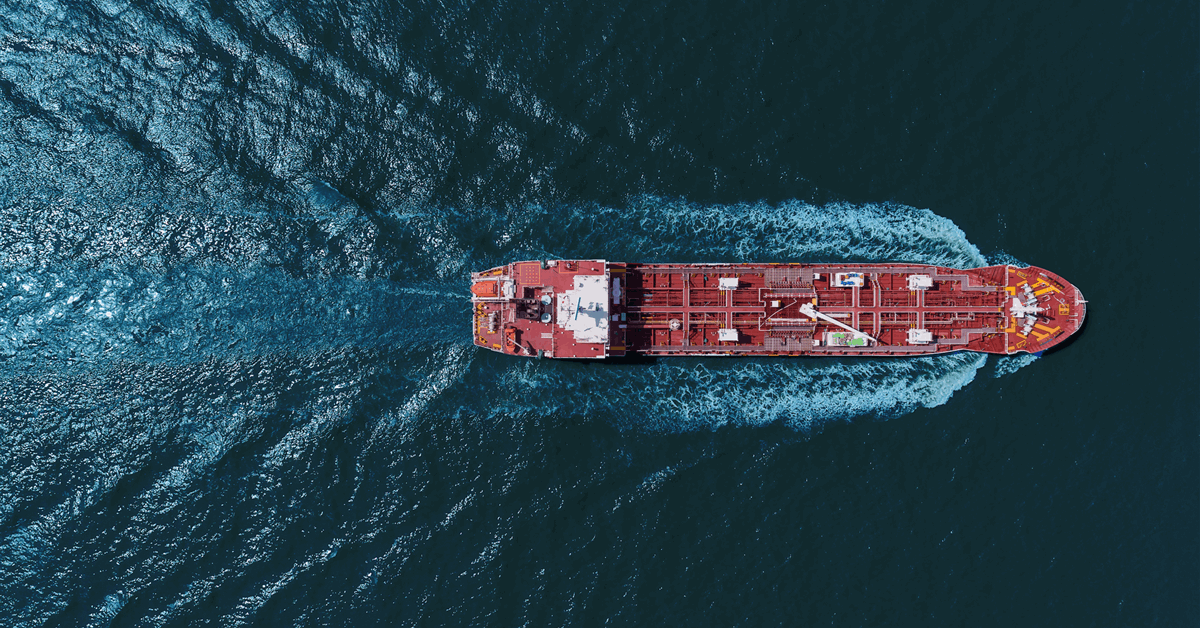
The United States and Iran reached a provisional two-week ceasefire agreement on Tuesday, April 8, 2026, after more than a month of hostilities. The deal includes the reopening of the Strait of Hormuz, a critical waterway for global oil and LNG shipments. Iran confirmed the ceasefire, noting technical limitations and the need for coordination with its military to facilitate safe passage.
Global oil prices declined following the announcement. Brent crude fell by about 20 percent to below $100 per barrel. Stock markets jumped in response to the de-escalation. A limited number of vessels have transited the strait since the ceasefire began.
A French-owned ship became the first major European vessel to pass through. Shipowners and insurers remain cautious about the safety of navigation.
Some Iranians expressed skepticism about the ceasefire, while regime supporters celebrated it.
European leaders welcomed the agreement and called for the full reopening of the strait and a permanent end to hostilities. Pakistan played a role in last-minute diplomacy leading to the deal. In the United States, Democrats raised questions about the path forward, while Republican leaders offered limited comments on the de-escalation.
“I am already working with the relevant parties to implement an appropriate mechanism to ensure the safe transit of ships through the Strait of Hormuz.”
Iran plans to require ships passing through the Strait of Hormuz to pay tolls, potentially in cryptocurrency such as Bitcoin or in yuan.
This measure aims to maintain control over the waterway during the ceasefire period. One report indicated joint fees with Oman, though other sources attributed the tolls solely to Iran. Brent front-month futures and the six-month calendar spread reached their lowest levels in four weeks after the ceasefire news.