world
US-Developed LUCAS Drone Emerges as Key Weapon Modeled on Iranian Shahed-136
The United States has developed the LUCAS drone, a clone of the Iranian Shahed-136 kamikaze drone, which has become an indispensable tool in modern warfare. Michael Horowitz, a former Pentagon official who advocated for the program, provided insights into its origins and potential future applications.
Apr 7, 7:30 PM·1m read3 sources
TH
 The War Zone
Audio version
Tap play to generate a narrated version.
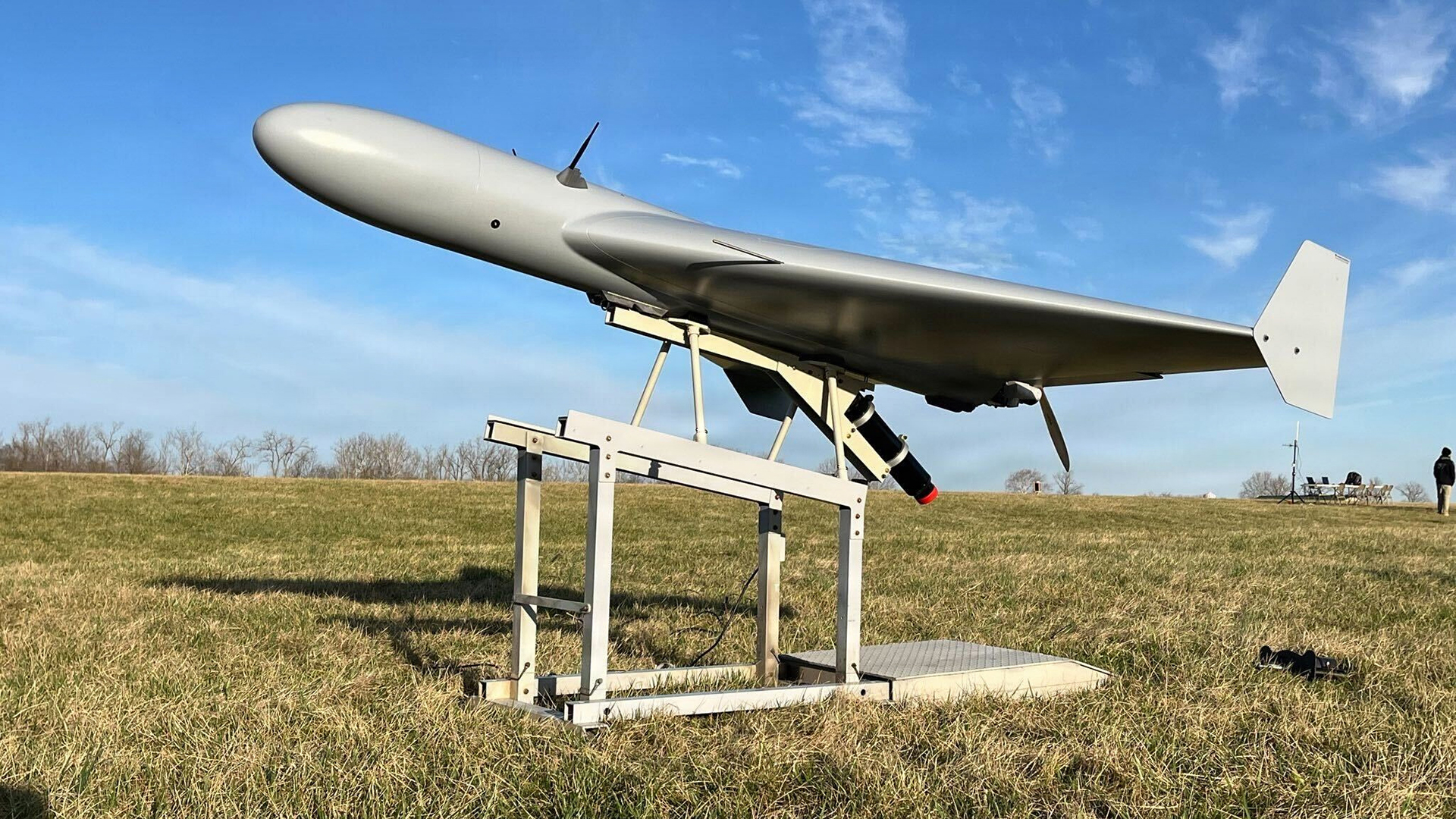
the LUCAS Drone The LUCAS drone program represents a US effort to replicate the Iranian Shahed-136 kamikaze drone.
Post by @TheWarZoneWire on X
This low-cost, loitering munition has been integrated into American military operations as an indispensable weapon. The program was initiated under the influence of Pentagon officials focused on countering asymmetric threats. A former Pentagon official described its rapid evolution from concept to deployment.
The drone's design emphasizes affordability and effectiveness in contested environments. Deployment details remain classified, but its role in recent conflicts has been noted in defense analyses.
A former Pentagon official offered perspectives on the LUCAS drone's genesis, highlighting how it addressed gaps in US drone capabilities.
He noted the program's acceleration due to lessons from global conflicts involving similar munitions. Future enhancements may include improved autonomy and range, according to his assessment.
“How America’s Shahed-136 Clone Became An 'Indispensable' Weapon Of War.”
The LUCAS drone's adoption underscores a shift toward attritable systems in US strategy. This approach allows for sustained operations without risking high-value assets. The official's involvement dates back to a Pentagon tenure, where advocacy for rapid prototyping occurred.
a related development, new imagery captured the RQ-180 stealth drone flying over Greece. The massive unmanned aerial vehicle, known for its secretive operations, was observed during daylight hours. These sightings provide additional details on its aerodynamic features and endurance.