US Dollar Dips After Iran Rejects Ceasefire Proposal; Trump Criticizes
Iran rejected a proposed ceasefire deal for Gaza and the Lebanon-Israel border, demanding full withdrawal of Israeli forces. The rejection led to a modest decline in the US dollar and a spike in oil prices, while President Trump condemned the move on social media and called for decisive action. Market reactions included gains for defense contractors amid heightened geopolitical tensions.
axios.comIran has rejected a proposed ceasefire deal aimed at easing hostilities in Gaza and along the Lebanon-Israel border. Officials stated the terms were unacceptable and demanded the total withdrawal of Israeli forces from occupied territories. This development contributed to a slight decline in the US dollar against major currencies.
The US dollar index fell by about 0.2%, according to analysts. Oil prices rose 1-2% due to fears of supply disruptions from the Persian Gulf. Bond yields also increased modestly, with the 10-year Treasury yield moving from 4.15% to 4.18% as investors sought safe assets.
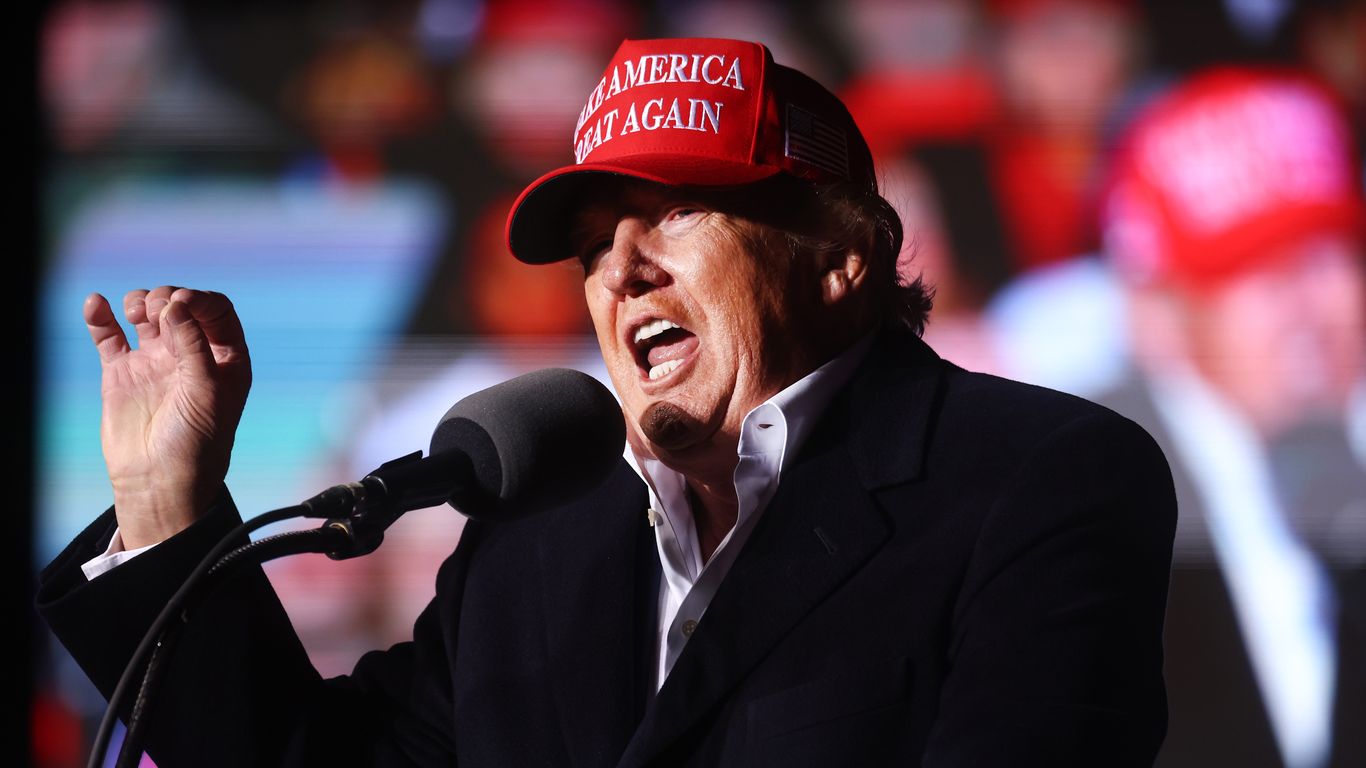
criticized Iran's rejection on Truth Social, describing it as a slap in the face to peace-loving nations. He called for decisive action to protect American interests and hinted at potential military escalations. His posts highlighted perceived weaknesses in prior leadership handling of the situation.
The rhetoric from President Trump contributed to market ripples, with some sectors like defense contractors experiencing minor gains. Investors shifted toward safer assets amid the uncertainty. The rejection followed months of negotiations involving multiple parties.
The proposed deal included pauses in fighting for hostage releases, brokered by Qatar and Egypt. Iran viewed the terms as one-sided, insisting on an end to the blockade of Gaza and a humanitarian corridor. Israeli Prime Minister Netanyahu dismissed the deal as immoral.
“The terms were “unacceptable” and demanded “total withdrawal of Zionist forces” from occupied territories before any talks could proceed.”
Hamas and Hezbollah, aligned with Iran, appeared emboldened by the stance. Diplomats continue efforts in locations like Vienna to prevent escalation. The situation reflects ongoing rifts in the region.
Human Impacts Economists noted the dollar's status as the world's reserve currency provides a buffer against major disruptions. However, inflation pressures and election-year dynamics add to market jitters. Small-business owners expressed concerns over exchange rate stability affecting global sourcing.
Families in affected areas brace for continued uncertainty. The events underscore the interconnectedness of geopolitics and global markets. Negotiators have faced prolonged talks with limited progress. The rejection highlights demands for UN inspections to verify withdrawals.
Market observers advise monitoring interest rate trends amid the instability.
funds and income-generating assets show sensitivity to such geopolitical events. Investors are hedging against prolonged turmoil. The modest market movements reflect a risk premium attached to Middle East developments. Defense sectors benefited slightly from the heightened tensions.
Overall, the situation remains fluid with potential for further diplomatic efforts. Analysts expect continued volatility in currency and commodity markets.
Key Facts
Story Timeline
4 events- 1 day ago
Iran rejected the proposed ceasefire deal, stating terms were unacceptable.
1 sourceCommsTrader - Recent days
President Trump posted criticisms on Truth Social, calling for decisive action.
1 sourceCommsTrader - Months prior
Back-and-forth talks occurred involving the Biden administration for pauses in fighting.
1 sourceCommsTrader - Last month
Egg prices in Iran jumped 20% amid economic pressures.
1 sourceCommsTrader
Potential Impact
- 01
Diplomatic talks in Vienna intensify to avert broader conflict.
- 02
Oil prices will remain elevated due to supply disruption fears.
- 03
Defense stocks gain further if tensions escalate.
- 04
Small businesses face higher costs from exchange rate volatility.
- 05
US dollar stabilizes as reserve currency buffer holds.
- 06
Inflation in Iran worsens with continued sanctions.
Transparency Panel
Related Stories
asiaone.comIran Says Strait of Hormuz Management Belongs to Iran and Oman
Iran's Foreign Ministry spokesperson stated that control of the Strait of Hormuz must be decided solely by Iran and Oman. The spokesperson also said no agreement has been reached with the United States and that current focus remains on ending the war.
ibtimes.comSEC Chair Paul Atkins Says Congress Will Pass Crypto Legislation
SEC Chair Paul Atkins stated he is confident Congress will pass crypto market structure legislation. He added that President Trump will sign the bill into law.
U.S. Treasury Officials Comment on Iran Sanctions Relief Pace
Officials addressed questions about the pace of any sanctions relief tied to Iran. They indicated changes would occur gradually if implemented.