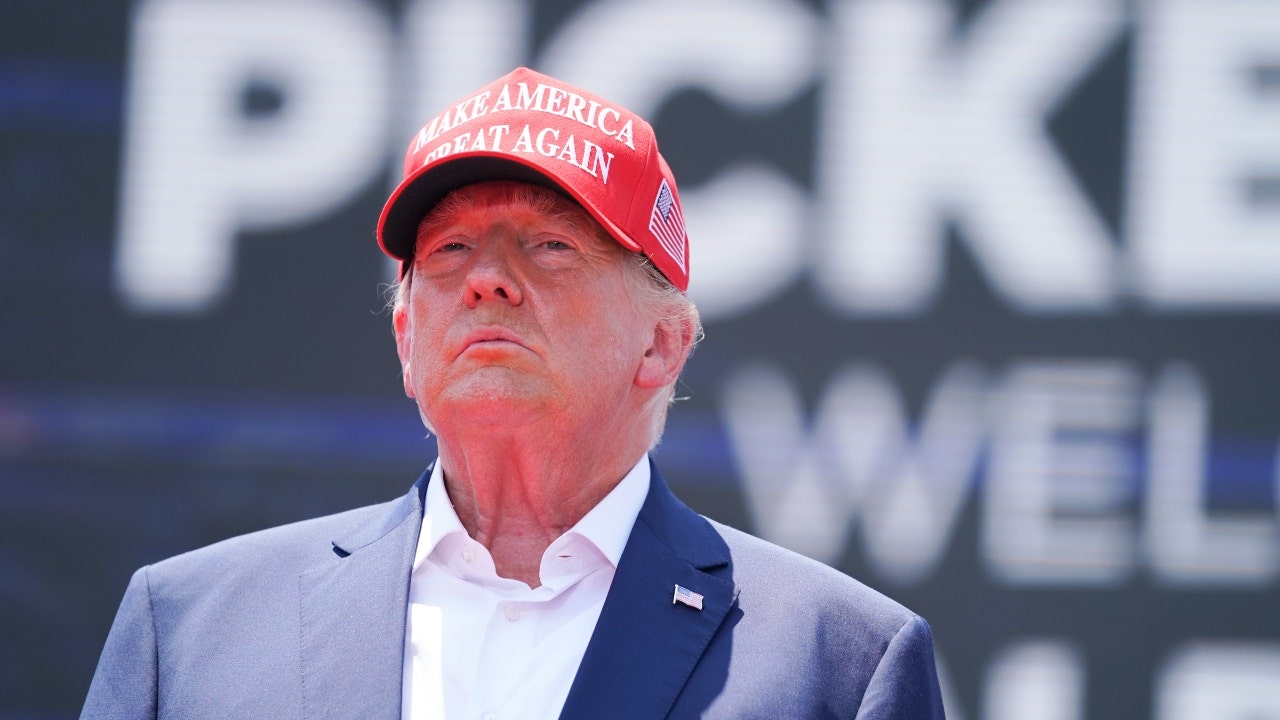
US Enforces Naval Blockade on Iranian Ports in Strait of Hormuz Amid Regional Conflict
The United States has imposed a naval blockade on Iranian ports in the Strait of Hormuz, restricting all maritime traffic in and out of the area. The blockade follows recent air strikes and unsuccessful peace talks, with US officials stating the measure will remain in place indefinitely.
EuronewsUS Naval Blockade
Initiated in Strait of Hormuz The United States began enforcing a naval blockade on Iranian ports in the Strait of Hormuz on Monday, restricting all shipping traffic regardless of nationality.
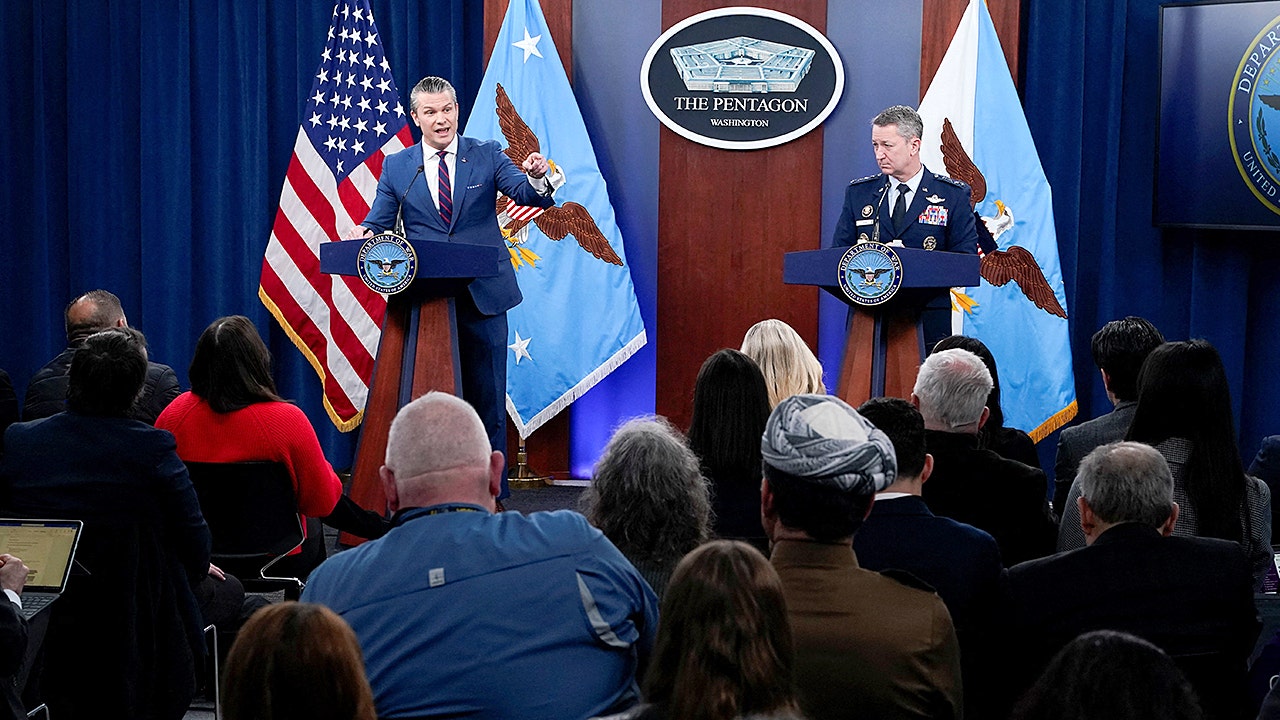
This action follows US and Israeli air strikes on Iran starting February 28 and the collapse of peace negotiations between US Vice President JD Vance and Iranian representatives in Islamabad. " He noted that the US Navy is deploying less than 10% of its total naval power to maintain the blockade.
General Dan Caine, the top US military commander, clarified that the blockade applies to all vessels heading into or from Iranian ports.
Military Capacity and Warnings
The US Navy currently has 16 warships in the Middle East, including 11 destroyers, three amphibious assault ships, an aircraft carrier, and a littoral combat ship, out of a total battle force of approximately 300 warships.
The US has stated that Iran’s naval capacity has been significantly reduced, with 158 Iranian ships reportedly destroyed. President Donald Trump posted on his social media platform that any Iranian "fast attack ships" approaching the blockade would be "immediately eliminated," using tactics similar to those employed against drug traffickers at sea.
Impact on Global Energy and Economy
The Strait of Hormuz is a strategic maritime route through which about one-fifth of the world’s crude oil and liquefied natural gas supplies passed before the conflict.
Since the blockade and related military actions began, traffic through the waterway has been nearly halted. The International Energy Agency’s chief warned on Thursday that Europe has approximately six weeks of jet fuel supplies remaining if the blockade persists.
He highlighted that the ongoing disruption will lead to increased prices for gasoline, gas, and electricity globally, with broader implications for economic growth and inflation.
“In the past there was a (music) group called Dire Straits. It's a dire strait now and it is going to have major implications for the global economy. " — Fatih Birol, International Energy Agency, April 16 (Euronews) The UK’s Maritime Trade Operations also issued warnings that the blockade applies to all vessel traffic regardless of flag, reinforcing the comprehensive nature of the restrictions.”
Background and Diplomatic Context
The blockade was announced after the failure of peace talks in Islamabad, where US Vice President JD Vance and an Iranian delegation did not reach an agreement.
President Trump had previously demanded that Tehran fully reopen the Strait of Hormuz trade route. The US Central Command (CENTCOM) confirmed the start of the blockade, emphasizing the strategic intent to control maritime access to Iranian ports amid ongoing hostilities in the region. The situation remains fluid, with the blockade continuing and no immediate resolution in sight.
Story Timeline
5 events- 2026-04-13
U.S. naval blockade of Iranian ports came into effect.
1 sourceunattributed - 2026-04-11 to 2026-04-12
U.S. Vice President JD Vance left peace negotiations with Iranian delegation in Islamabad without a deal.
1 sourceunattributed - 2026-02-28
Iran war started with U.S.-Israeli air strikes.
1 sourceunattributed - 2026-04-16
U.S. Defense Secretary Pete Hegseth stated the blockade will continue 'as long as it takes' and detailed naval deployment.
1 sourcePete Hegseth - 2026-04-16
International Energy Agency chief Fatih Birol warned Europe has about six weeks of jet fuel left if supplies remain blocked.
1 sourceFatih Birol
Potential Impact
- 01
Continued blockade could significantly disrupt global crude oil and liquefied natural gas supplies.
- 02
Europe faces potential jet fuel shortages within six weeks if supply disruptions persist.
- 03
Escalation of naval conflict risk in the Strait of Hormuz due to enforcement of blockade and warnings of lethal force.
Transparency Panel
Related Stories
nypost.comOfficials Disagree on Timing of Gas Price Declines Amid Ongoing Iran Conflict
Officials differ on when gas prices will fall as the conflict involving Iran continues without new peace talks. While some express optimism about a near-term drop, others project a longer timeline amid sustained elevated prices.
California Supreme Court Upholds John Eastman's Disbarment in 2020 Election Case
The California Supreme Court upheld a 2024 ruling disbarring John Eastman for his role in attempting to overturn the 2020 presidential election. Eastman lost his law license and was ordered to pay $5,000 to the California State Bar. His legal strategy involved efforts to have the…
Boebert Seeks to Revoke Pensions of Swalwell and Gonzales After Resignations
Republican Rep. Lauren Boebert announced plans to strip former Reps. Eric Swalwell and Tony Gonzales of their taxpayer-funded pensions following their resignations over sexual misconduct allegations. Both former lawmakers are eligible for annual pensions of about $22,000 starting…