Substrate
world

US-Iran Blockade Standoff Continues with Ceasefire Extension, Naval Leadership Change

The US and Iran remain in a maritime blockade stalemate, with Iran declaring the Strait of Hormuz impossible to reopen due to alleged ceasefire violations. US Navy Secretary John Phelan departed his position amid ongoing tensions, while oil prices rose following Iran's seizure of ships. Diplomatic talks are stalled, and the Pentagon estimates six months to clear mines from the strait.
The Independent
Cnn
The Guardian
Euronews
Financial Times
The Boston Globe
+111
120 sources·Apr 23, 3:38 AM(13 days ago)·3m read
|
US-Iran Blockade Standoff Continues with Ceasefire Extension, Naval Leadership Changenaturalnews.com
Audio version
Tap play to generate a narrated version.

Iran has stated that reopening the Strait of Hormuz is impossible amid what it describes as ceasefire violations by the US and Israel, including a maritime blockade. Iranian forces fired on three ships and seized two in the strait on Wednesday, escalating tensions during an extended truce.

The US maintains its own blockade of Iranian ports, which the White House described as effective in pressuring Iran toward negotiations. He indicated that talks with Tehran could begin within two days, despite Iran's demand to lift the blockade as a precondition.

The extension followed the cancellation of planned talks in Pakistan after the US seized two Iranian vessels.

Command reported directing 31 ships, mostly oil tankers, to turn around as part of the blockade. Iran seized the Panama-flagged MSC Francesca and the Liberian-registered Epaminondas, escorting them to Iranian shores for alleged maritime violations. Panama condemned the seizure as illegal and a threat to maritime security.

A third ship, the Euphoria, was attacked after becoming stranded on the Iranian coast, according to Iranian media. No injuries were reported in the incidents, and White House Press Secretary Karoline Leavitt stated the seizures did not violate the truce terms since the vessels were not US or Israeli.

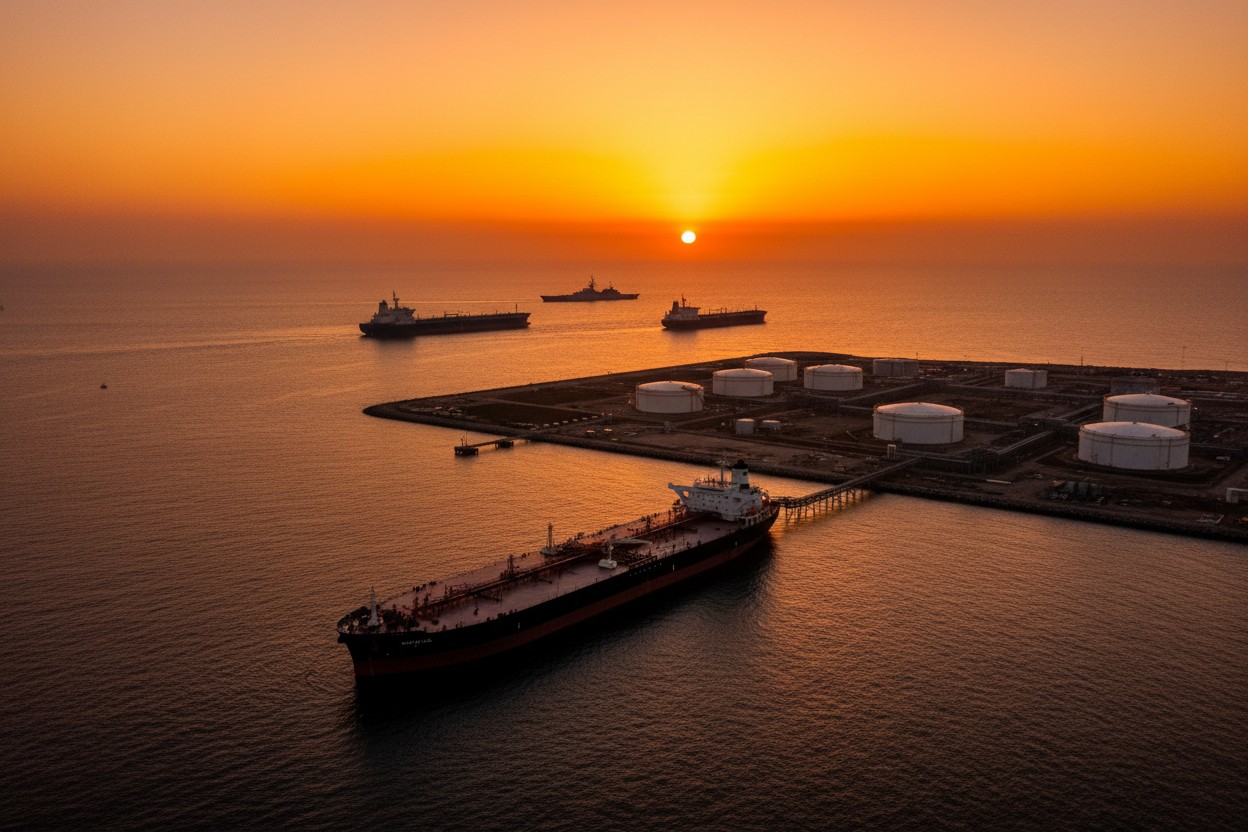
The strait, which carried 20 percent of global oil trade before the war, remains effectively closed due to dueling blockades. >"A complete ceasefire only makes sense if it is not violated by the maritime blockade and the hostage-taking of the world’s economy....

" — Mohammad Bagher Ghalibaf, speaker of the Iranian parliament and lead negotiator, on X (The Independent).

and Military Assessments US Navy

Secretary John Phelan departed his position effective immediately on Wednesday, according to a Pentagon spokesman who expressed gratitude for his service without providing a reason. The changes occur amid the ongoing US naval operations in the region.

The Pentagon briefed lawmakers that clearing Iranian mines from the Strait of Hormuz could take up to six months after the war ends, according to sources familiar with the matter. A Defense Department official noted that removal is unlikely until the conflict concludes, highlighting potential long-term economic impacts.

A Pentagon spokesman described a six-month closure as unacceptable.

Masoud Pezeshkian accused the US of hypocritical rhetoric, stating on X that breaches of commitments, blockades, and threats obstruct genuine negotiations. Iran has welcomed dialogue but insists on lifting the blockade. The US Senate rejected a resolution to require congressional approval for further attacks on Iran, voting 46-51, marking the fifth such failure this year.

In related developments, the US is hosting a second round of talks between Israel and Lebanon today to extend a fragile truce. An Israeli strike in southern Lebanon killed Lebanese journalist Amal Khalil and wounded photographer Zeinab Faraj on Wednesday, according to Lebanese authorities and her employer.

Lebanese Prime Minister Nawaf Salam described the targeting of journalists as a war crime. >"The Islamic Republic of Iran has welcomed dialogue and agreement and continues to do so. " — Masoud Pezeshkian, Iranian president, on X (The Independent).

Oil prices surged following the incidents, with West Texas Intermediate rising 4.06 percent to $96.73 a barrel and Brent crude climbing 3.62 percent to $105.63. The conflict has increased gas prices globally, with European Union energy commissioner Dan Jørgensen estimating daily costs to Europe at around 500 million euros.

Turkish President Recep Tayyip Erdoğan told his German counterpart that the US-Israeli war against Iran is weakening Europe and urged a peace-focused approach. United Airlines raised fares by 15-20 percent and cut its 2026 flying capacity by 5 percent to offset surging fuel costs.

In Tehran, residents remain tense despite the ceasefire extension, with quieter streets and some leaving the city amid fears of renewed conflict. A local shop owner described the situation as limbo, questioning what prevents further war. The war began on February 28 with a US-Israeli attack on Iran, leading to over 30 ship attacks in the region.

Israeli strikes in the West Bank killed two Palestinians, including a 14-year-old, on Thursday. The US accused Iran's Revolutionary Guard Corps Navy of acting like pirates after the ship seizures.

Key Facts

Two ships seized
by Iran in Strait of Hormuz on Wednesday
31 ships redirected
by US military during blockade
Six months
to clear mines from Strait of Hormuz
Oil prices up 4%
following ship incidents and blockade
Fifth rejection
of Senate measure to curb Trump's war powers

Story Timeline

6 events
  1. Today

    Oil prices rose 4 percent after Iran vowed not to reopen the Strait of Hormuz amid the US blockade.

    1 sourceThe Guardian
  2. Wednesday

    Iran fired on three ships and seized two in the Strait of Hormuz, prompting Panama's condemnation.

    4 sourcesThe Independent · Cnn · The Guardian · Euronews
  3. Wednesday

    US Navy Secretary John Phelan departed his position effective immediately.

    3 sourcesThe Independent · Cnn · The Guardian
  4. Tuesday

    President Trump extended the ceasefire indefinitely and announced no timeline for the conflict.

    3 sourcesCnn · The Guardian · Euronews
  5. Tuesday

    Pentagon briefed lawmakers that clearing mines from the Strait of Hormuz could take six months.

    3 sourcesThe Independent · Cnn · The Guardian
  6. Late February

    US and Israel launched a surprise attack on Iran, starting the war.

    2 sourcesThe Guardian · Euronews

Potential Impact

  1. 01

    Global oil trade disruptions will continue, raising energy costs worldwide.

  2. 02

    European economies face daily losses of 500 million euros from energy disruptions.

  3. 03

    Airlines like United will sustain fare increases and capacity cuts into 2026.

  4. 04

    Strait of Hormuz mine clearance delays will prolong economic pressure on Iran.

  5. 05

    Israel-Lebanon truce talks may extend the ceasefire in that region.

  6. 06

    US naval leadership changes could affect blockade enforcement strategies.

Transparency Panel

Sources cross-referenced120
Framing risk55/100 (moderate)
Confidence score98%
Synthesized bySubstrate AI
Word count729 words
PublishedApr 23, 2026, 3:38 AM
Bias signals removed5 across 3 outlets
Signal Breakdown
Loaded 1Editorializing 1Amplifying 1Framing 1Speculative 1

Related Stories

Explosion at China Fireworks Factory Kills 26 and Injures 61 in Hunan Provincethehindu.com
world31 min ago

Explosion at China Fireworks Factory Kills 26 and Injures 61 in Hunan Province

An explosion at the Huasheng Fireworks Manufacturing and Display Company in Liuyang city, Hunan province, killed at least 26 people and injured 61 on Monday afternoon. Rescue operations have concluded, with authorities detaining company staff and halting all local fireworks produ…

SC
The Guardian
BBC News
South China Morning Post
4 sources
Trump Pauses Project Freedom in Strait of Hormuz Amid Progress on Iran Agreementindiatoday.intoday.in
world2 hrs agoUpdated

Trump Pauses Project Freedom in Strait of Hormuz Amid Progress on Iran Agreement

President Trump announced a temporary pause to Project Freedom, the U.S. effort to escort ships through the Strait of Hormuz, citing mutual agreement with Iran to facilitate finalizing a deal while the blockade remains in place. The decision follows requests from Pakistan and oth…

The Independent
cnbc.com
DE
NE
FI
+89
96 sources
Middle East War Disrupts Global Supply Chains and Aviation Amid Diplomatic Effortscitizen.co.za
world31 min agoUpdated

Middle East War Disrupts Global Supply Chains and Aviation Amid Diplomatic Efforts

The ongoing Middle East war has led to falling oil prices, plastic shortages in Asia, and minor flight cancellations in Hong Kong. Diplomatic talks continue, with China urging a ceasefire and the U.S. pausing ship escorts in the Strait of Hormuz. Various nations are addressing ec…

al-monitor.com
fortune.com
South China Morning Post
Yonhap
4 sources