world
US-Iran Conflict Escalates into War of Attrition with Global Economic Impacts
The ongoing war between the United States and Iran has led to the closure of the Strait of Hormuz, disrupting global oil supplies. Iranian leaders have installed a new supreme leader amid airstrikes that killed Ayatollah Ali Khamenei. The conflict has depleted US arms stockpiles and prompted calls for de-escalation from allies.
SP
FO
 Semafor
Audio version
Tap play to generate a narrated version.
The United States and Iran are engaged in a protracted conflict that began with coordinated US and Israeli airstrikes in February 2026, killing Iran's supreme leader Ayatollah Ali Khamenei and other senior officials. Iran retaliated by targeting US military bases and regional infrastructure, effectively closing the Strait of Hormuz and curtailing global oil and commodity supplies.
Khamenei's death, his son Mojtaba Khamenei was installed as the new supreme leader, marking a shift toward greater control by the Islamic Revolutionary Guard Corps. Iran's foreign minister Abbas Araghchi stated on social media that decentralization allows Iran to dictate the war's end, drawing lessons from US conflicts in Afghanistan and Iraq.
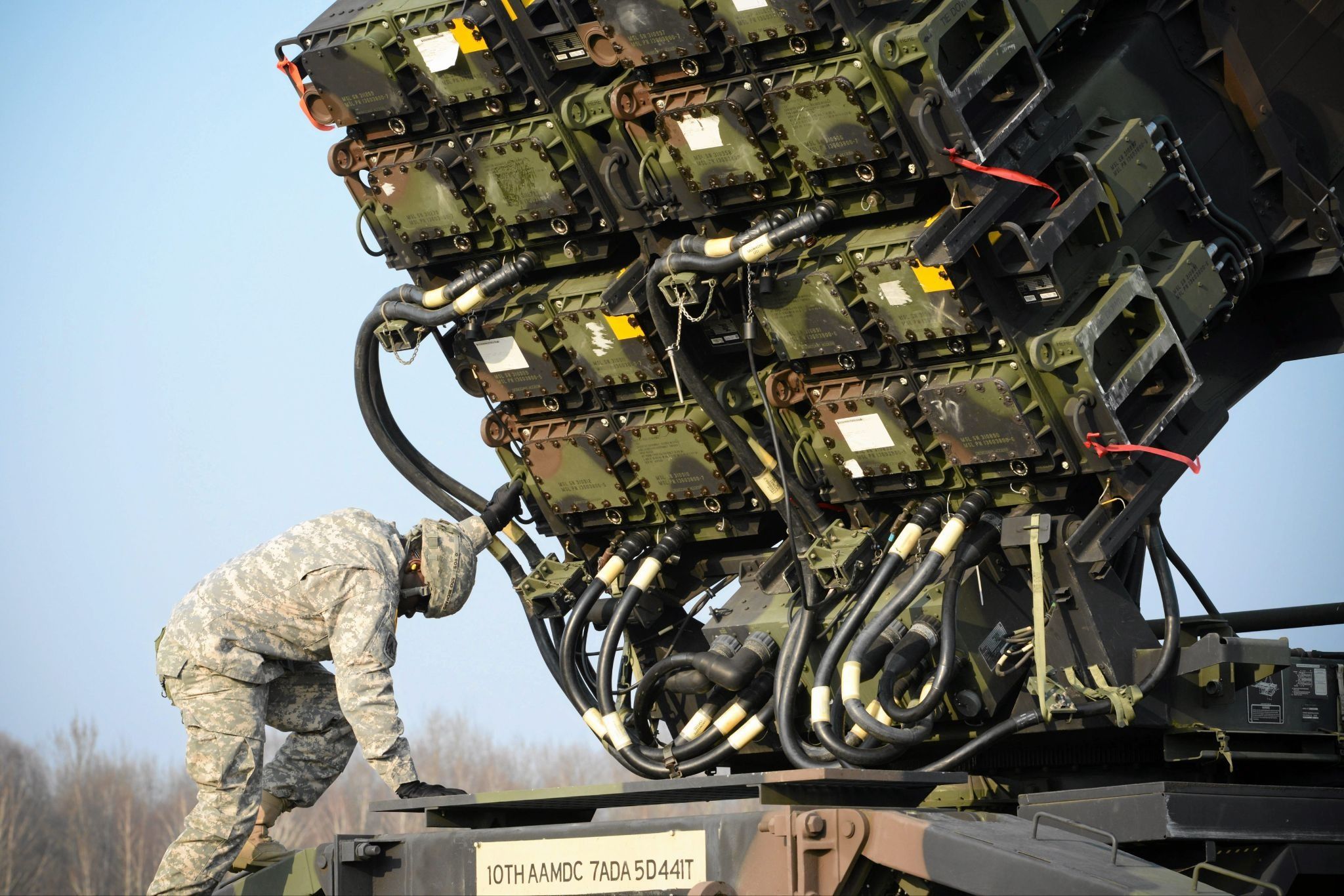
US forces have launched thousands of strikes, degrading Iran's navy, air force, and missile programs, according to multiple reports. Semafor reported that the conflict has depleted US arms stockpiles, leaving the country underprepared for potential conflicts with Russia or China.
Politico stated that US Secretary of Defense Pete Hegseth declared victory but continued sending forces to the region and seeking allied help.
and Analysis Germany's Chancellor
Foreign Policy characterized the situation as an economic war of attrition, shifting from missile strikes to financial pressures. New Scientist explained the changing US goals through game theory, likening the Strait of Hormuz conflict to a war of attrition, as stated by Petros Sekeris.
Hormuz closure has pushed up prices of oil, petrochemicals, and other commodities, jeopardizing global economic stability. Iran has maintained some exports to partners like China, charging premiums, while exempting them from attacks, according to press reports.
The regime has deployed surveillance and executions to suppress domestic unrest, with residents expressing fears of a stronger, more repressive government.


