Substrate
world

US-Iran Conflict Reaches Ceasefire Stage with Ongoing Negotiations on Key Terms

A two-week ceasefire has been announced in the US-Iran conflict, shifting focus from military actions to diplomatic talks. Vice President JD Vance is scheduled to meet Iranian officials in Islamabad to discuss a final settlement. Key issues include control of the Strait of Hormuz, Iran's nuclear and missile programs, and its proxy militias in the Middle East.

Newsweek
1 source·Apr 9, 1:00 PM(50 days ago)·2m read
|
US-Iran Conflict Reaches Ceasefire Stage with Ongoing Negotiations on Key TermsSubstrate placeholder — needs review
Audio version
Tap play to generate a narrated version.

The United States and Iran have entered a two-week ceasefire following months of military engagements. The conflict, initiated under President Donald Trump, involved US and Israeli strikes targeting Iran's military capabilities. Newsweek reported that the ceasefire remains fragile, with the war's outcome dependent on negotiations over unresolved issues.

Vice President JD Vance is traveling to Islamabad for direct talks with Iranian officials aimed at reaching a final settlement. The discussions are expected to address control of the Strait of Hormuz, the status of Iran's nuclear and missile programs, and the role of Iran's proxy militias across the Middle East. These terms remain open, and no agreements have been finalized.

the Conflict The US objectives in the conflict included degrading Iran's missile capabilities, navy, industrial base, regional proxies, and nuclear program.

US and Israeli strikes have damaged these elements, though not completely destroyed them. Newsweek reported that Iran's enrichment facilities and uranium stockpiles have been targeted, with some uncertainty about remaining materials. Iran mounted a defense against US forces and initially restricted access to the Strait of Hormuz, which increased oil prices and imposed economic costs.

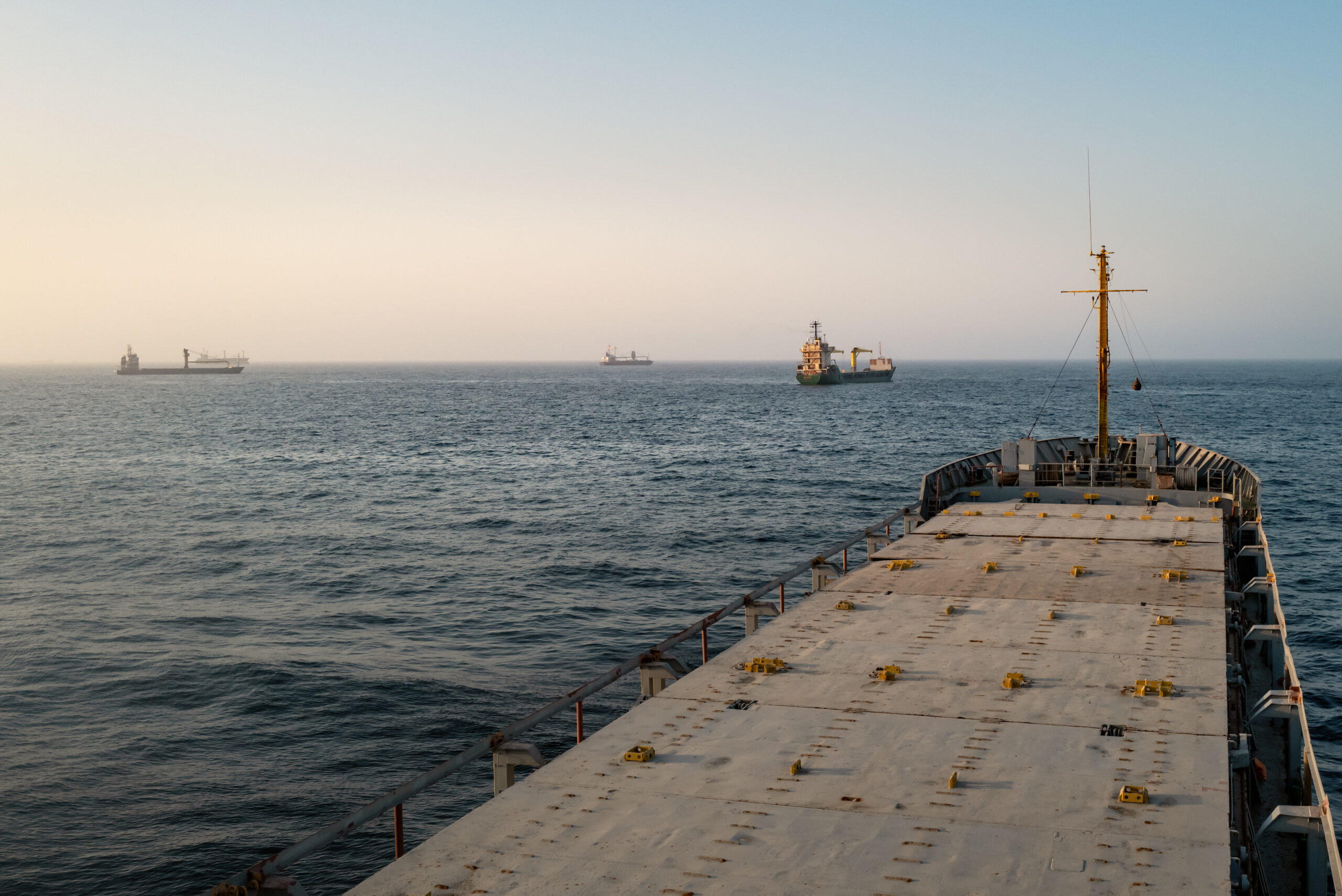
The US did not secure full control of the strait during active hostilities. However, global pressure, including from China, contributed to Iran reopening the strait to commercial traffic. Allies such as the United Kingdom and France have indicated willingness to assist in maintaining safe passage through the strait.

Few US allies joined the military effort despite pressure, which strained relations within NATO. Gulf states hosting US bases expressed concerns about their security amid Iranian attacks.

in Washington have described the conflict as a strategic failure, citing weakened US power, strengthened Iranian regime, and limited allied support.

They noted benefits to China from mediating talks and to Russia from higher oil prices and temporary US sanction relief on Iran. The US decision to lift sanctions temporarily has also affected strategies related to the war in Ukraine. The White House stated that regime change was not a primary goal, viewing it as a possible but not essential outcome.

By the administration's measures, the strikes achieved degradation of targeted capabilities, potentially requiring years or decades for Iran to rebuild. Iran retains some leverage through the Strait of Hormuz, but the US has maintained threats of further military action if needed. The negotiations in Islamabad represent a pivot from military operations to diplomacy.

The final settlement's terms will determine the conflict's long-term resolution. Stakeholders, including regional powers and global energy markets, await outcomes that could influence stability in the Middle East and beyond.

Key Facts

Two-week ceasefire
Announced this week in US-Iran conflict
Strait of Hormuz
Reopened to commercial traffic after restrictions
Iran's nuclear sites
Damaged by strikes with some material unaccounted
US objectives
Degrade missiles, navy, proxies, and nuclear program
Allied support
Limited despite US pressure, straining NATO

Story Timeline

4 events
  1. This week

    Two-week ceasefire announced in US-Iran conflict.

    1 sourceNewsweek
  2. Upcoming

    Vice President JD Vance to hold talks with Iranian officials in Islamabad.

    1 sourceNewsweek
  3. Recent months

    US and Israeli strikes targeted Iran's military and nuclear capabilities.

    1 sourceNewsweek
  4. Early in conflict

    Iran restricted Strait of Hormuz access, raising oil prices.

    1 sourceNewsweek

Potential Impact

  1. 01

    Negotiations may lead to restrictions on Iran's nuclear program.

  2. 02

    Oil prices could stabilize if Strait of Hormuz remains open.

  3. 03

    US alliances in NATO may face continued strains from lack of support.

  4. 04

    China's diplomatic role could increase its influence in Middle East.

  5. 05

    Temporary sanction relief on Iran may affect Ukraine strategy.

Transparency Panel

Sources cross-referenced1
Confidence score70%
Synthesized bySubstrate AI
Word count432 words
PublishedApr 9, 2026, 1:00 PM
Bias signals removed5 across 2 outlets
Signal Breakdown
Loaded 2Framing 1Editorializing 1Speculative 1

Related Stories

Zelenskyy Says Ukraine Expects Russian Drone and Missile AssaultDefense News
world1 hr ago

Zelenskyy Says Ukraine Expects Russian Drone and Missile Assault

Ukrainian President Volodymyr Zelenskyy told CBS News that intelligence indicates Russia will launch attacks involving drones and missiles as soon as Friday or Saturday night. He requested additional U.S. defensive systems and cited a recent Russian strike that killed two and wou…

CBS News
1 source
Hungarian Election Shifts Right-Wing Focus to Moderate Conservatismkoreatimes.co.kr
world1 hr ago

Hungarian Election Shifts Right-Wing Focus to Moderate Conservatism

Peter Magyar won Hungary's parliamentary elections on April 12 and was sworn in as prime minister on May 9. His campaign retained emphasis on national sovereignty and immigration control while criticizing former Prime Minister Viktor Orban's centralization of power and ties to Ru…

Foreign Policy
1 source
U.S. Travel Group Estimates Newark Airport International Closure Would Cost $8 Billion a Yeartheyeshivaworld.com
world1 hr agoDeveloping

U.S. Travel Group Estimates Newark Airport International Closure Would Cost $8 Billion a Year

A U.S. travel industry group has calculated that ending international service at Newark airport would reduce annual economic activity by $8 billion. The estimate covers lost spending by foreign visitors and related sectors.

Reuters
1 source