US-Iran Talks Stall as Trump Announces Israel-Lebanon Dialogue Plans Amid Conflicting Reports
Negotiations between the United States and Iran have failed to reach an agreement following brief talks in Islamabad. Meanwhile, President Trump announced a scheduled conversation between Israeli and Lebanese leaders, though Lebanese officials have denied such plans. The situation remains tense with ongoing risks of escalation in the region.
washingtontimes.comBreakdown of US-Iran Negotiations Recent
talks between the United States and Iran in Islamabad ended without agreement, reflecting deep divisions over nuclear and other issues.
The US delegation, led by the vice-president, spent less than a day in negotiations that covered Iran’s nuclear program and other disputes. The US side stated that Iran rejected the terms presented, while Iran maintained a firm stance following a ceasefire that took effect on April 8.
The 2015 Joint Comprehensive Plan of Action (JCPOA), which limited Iran’s uranium enrichment, took over two years to negotiate, contrasting with the brief Islamabad talks.
Since the US withdrew from the JCPOA in 2018 and reimposed sanctions, Iran has expanded its uranium enrichment, now possessing 440 kilograms of uranium enriched to 60 percent. Following the failed talks, the US imposed a naval blockade on shipping through the Strait of Hormuz, an action considered an act of war.
Iran has threatened to retaliate by targeting energy infrastructure in Gulf states aligned with the US, which could increase global energy prices.
The US and Israel have indicated readiness to resume military actions if tensions escalate.
Proposed Framework for Diplomacy
A proposed framework for renewed diplomacy includes US recognition of Iran’s right to enrich uranium for peaceful purposes under International Atomic Energy Agency (IAEA) safeguards, capping enrichment at 3.
67 percent as per the 2015 agreement. Iran would pledge not to develop nuclear weapons, consistent with previous statements by its leadership, and the US would lift sanctions and release frozen Iranian assets. The framework also suggests Iran could charge fees for oil tankers transiting the Strait of Hormuz, with oversight by a coalition including regional and global powers.
A non-aggression pact between the US and Iran, ratified by their legislatures and supported by the UN Security Council, is another component. However, the framework requires compromises from both sides, an extension of the ceasefire deadline, and restraint from Israeli military action to proceed.
Conflicting Reports
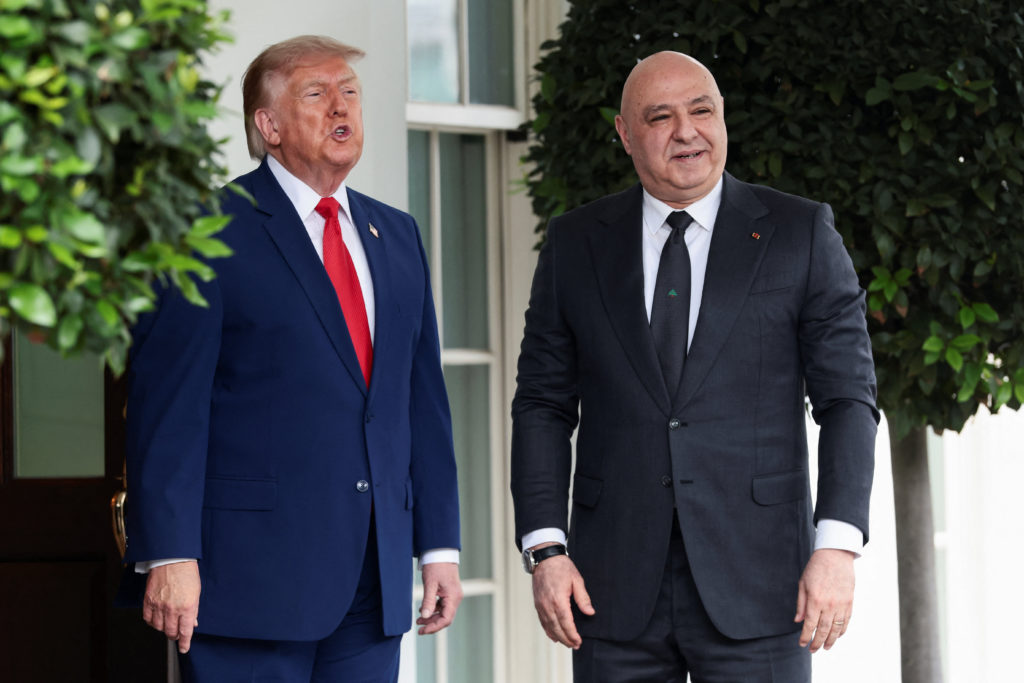
on Israel-Lebanon Talks President Trump announced that Israeli and Lebanese leaders would hold talks on Thursday, aiming to ease tensions between the two countries.
He described the effort as an attempt to "get a little breathing room" between Israel and Lebanon. However, Lebanese officials have denied that such a call or meeting is planned.
Israel has supported the US claim of upcoming talks but has not provided a timetable. These conflicting statements highlight ongoing diplomatic complexities in the region, with efforts to reduce conflict facing significant obstacles.
Regional Stakes and Outlook Both Washington
and Tehran have incentives to avoid renewed war.
The US faces rising inflation, declining political support, and upcoming elections, while Iran confronts economic hardship and internal unrest exacerbated by conflict damage. Intermediaries such as Pakistan and Egypt continue behind-the-scenes efforts to bridge gaps. The situation remains fragile, with the potential for escalation if diplomatic efforts fail or if military actions resume.
The US blockade and Iran’s threats to Gulf energy infrastructure underscore the risks of broader regional instability. Continued negotiations, mutual concessions, and restraint from military actors will be critical to preventing a return to full-scale conflict in the Middle East.
Story Timeline
4 events- Apr 15, 2026
US vice-president spent less than a day in Islamabad talks with Iran, which ended without agreement.
2 sourcesThe Guardian · @Reuters - Apr 15, 2026
President Trump announced Israeli and Lebanese leaders would speak on Thursday to ease tensions.
3 sourceswashingtontimes.com · nypost.com · @DeItaone - Apr 16, 2026
Lebanese officials denied plans for talks with Israel, contradicting US and Israeli statements.
3 sources@DeItaone · Reuters · @Jerusalem_Post - Apr 15-16, 2026
US imposed naval blockade on Iranian shipping through Strait of Hormuz following failed talks.
1 sourceThe Guardian
Potential Impact
- 01
Potential escalation of military conflict in the Middle East if diplomacy fails.
- 02
Continued political pressure on US administration amid rising inflation and upcoming elections.
- 03
Increase in global energy prices due to threats against Gulf energy infrastructure.
- 04
Diplomatic efforts by regional intermediaries could facilitate renewed negotiations.
Transparency Panel
Related Stories
France 24Pope Leo XIV Denounces Religious Manipulation During Cameroon Visit
Pope Leo XIV, on a visit to Cameroon, condemned those who exploit religion for military, economic, or political gain, describing the world as ravaged by a handful of tyrants. The speech occurred in Bamenda amid a separatist truce. The remarks follow tensions with U.S. President D…
fortune.comPope Leo XIV Denounces Tyrants and Religious Manipulation in Cameroon Speech
Pope Leo XIV stated that the world is being ravaged by a handful of tyrants amid wars and exploitation during a speech in Cameroon. He criticized those who manipulate religion for military, economic, or political gain. The remarks followed a statement by U.S. Secretary of Defense…
breitbart.comInterior Secretary Doug Burgum Discusses Energy Policy and Regional Impacts
Interior Secretary Doug Burgum addressed the effects of recent U.S. energy policies on oil and natural gas-producing regions, comparing them to international sanctions. He also participated in federal design review discussions and leads an energy council focused on U.S. energy ma…