US-Iran Tensions Escalate with Rescue Operation and Threats Over Strait of Hormuz
The Trump administration has threatened strikes on Iranian infrastructure if the Strait of Hormuz is not reopened by Tuesday night. A recent US rescue mission inside Iran recovered an airman after a downed F-15E fighter jet, involving extensive military resources. Iranian propaganda invokes historical and religious motifs to rally support amid the conflict.
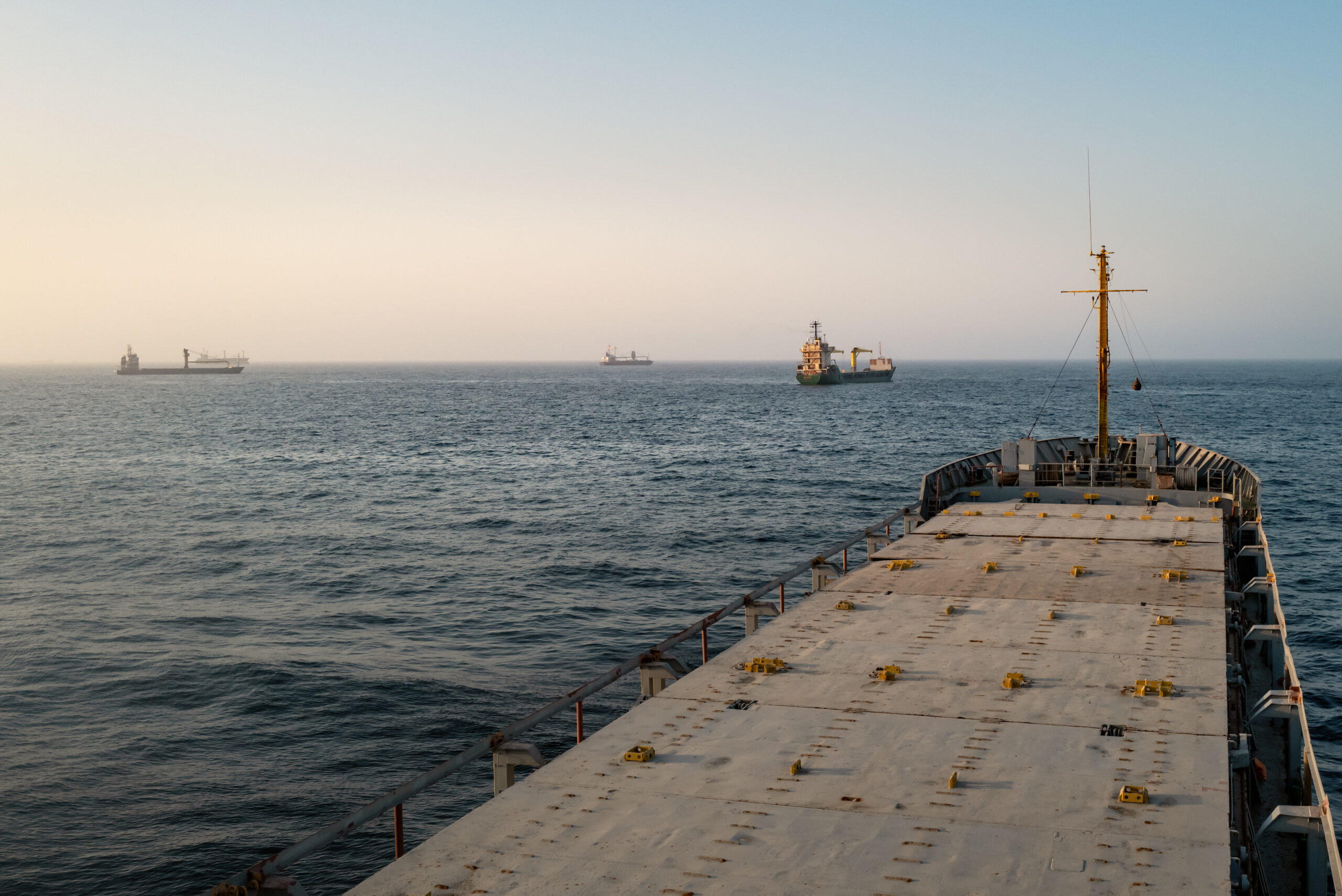
gamereactor.eustated on Sunday that the US will target Iran's power plants and bridges unless the regime reopens the Strait of Hormuz by Tuesday night.
Post by @Newsquawk on X
The threat includes demands for Iran to pay for war damages. US Special Operations Forces, marines, and Army paratroopers have arrived in the Middle East for potential rapid-response missions. An F-15E fighter jet was downed over southwestern Iran, leading to the ejection of its two crew members.
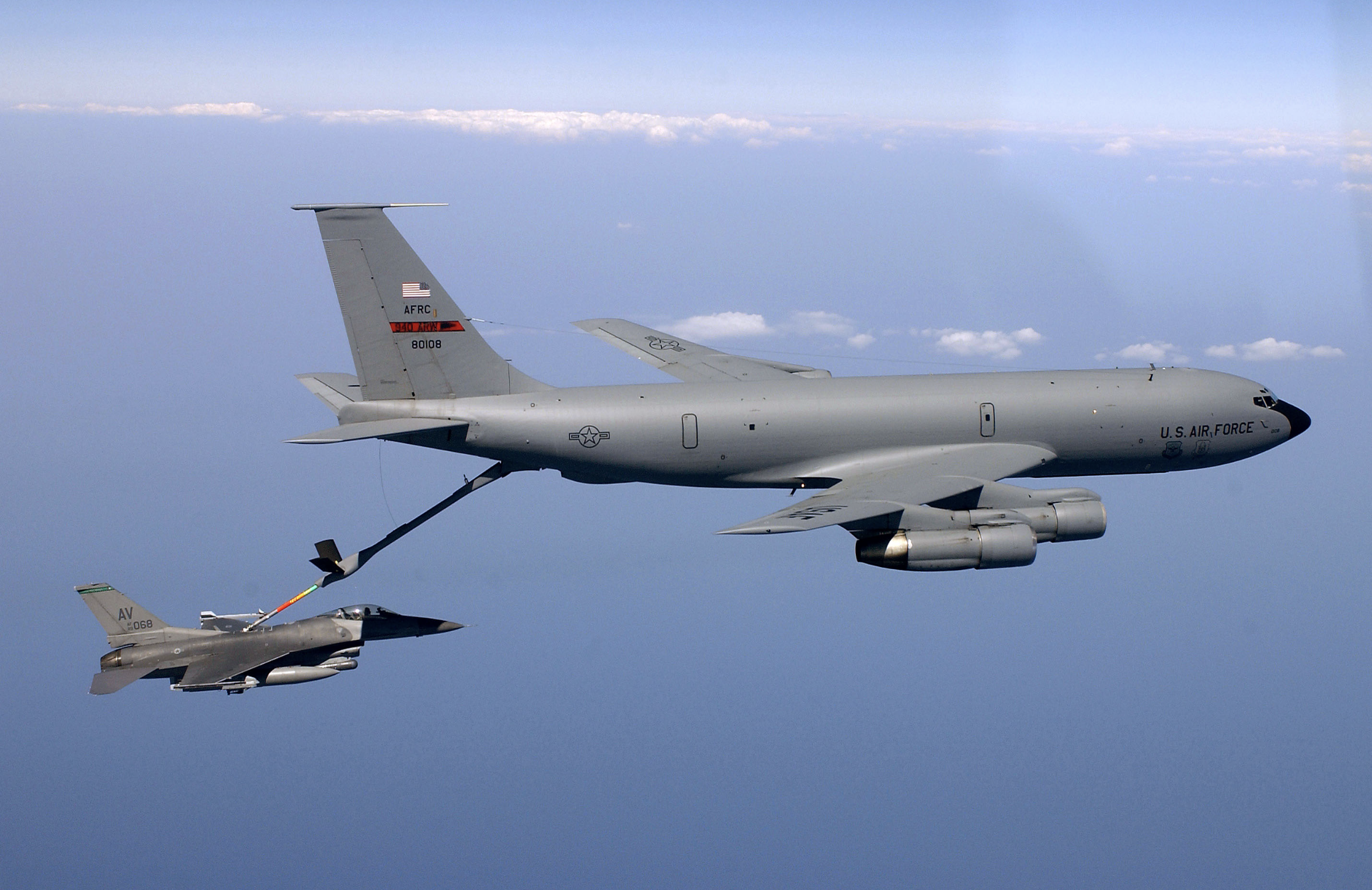
The pilot was rescued shortly after, while the weapons officer evaded capture for over a day in mountainous terrain before activation of an emergency beacon. A subsequent rescue mission involved SEAL Team Six commandos, hundreds of personnel, and 155 aircraft, including 64 fighters and 48 refueling tankers.
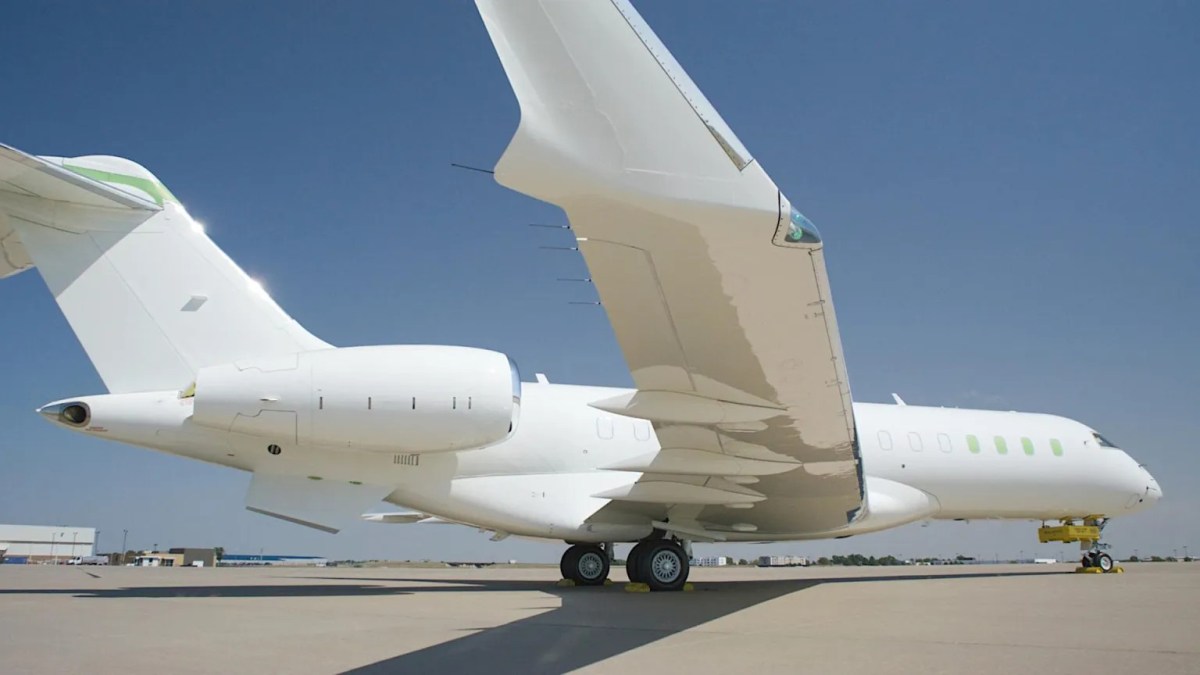
Two US transport planes experienced mechanical issues at a forward operating base inside Iran, requiring additional extractions; the immobilized aircraft were destroyed to protect technology.
“— President Trump, Monday (The New Yorker)”
One US service member died during the operation, with the HH-60W Jolly Green II helicopter crew sustaining minor injuries but escaping Iranian airspace.
regime loyalists have circulated social media videos using religious motifs, self-sacrifice, and glory to motivate Shiite Muslims and influence global opinion. These include English-language content targeting the US, where the conflict lacks popularity.
Videos reference Imam Hussein, Imam Ali, the Battle of Karbala, and the sword of Zulfiqar as symbols of resistance and martyrdom. One video narrator claims the Islamic Republic is invincible and depicts missiles striking Tel Aviv. The propaganda draws from the Iran-Iraq War (1980-1988), framed as the 'sacred defense' or 'imposed war,' evoking the Battle of Karbala.
During that war, Iran employed asymmetric warfare, including guerrilla attacks, missile strikes on Iraqi cities and oil facilities, improvised mines in the Strait of Hormuz, and early drone surveillance. Iraq's invasion stalled by December 1980, with Iranian forces pushing back across the border by June 1982, though the conflict continued in stalemate until a UN-brokered ceasefire in 1988.
Up to 600,000 Iranians died, but the regime survived without territorial loss and declared a moral victory. The war elevated the Islamic Revolutionary Guard Corps from a small militia to key defenders of the theocracy.
Key Facts
Story Timeline
6 events- Monday
Trump acknowledges risks of the rescue operation at White House press conference.
1 sourceThe New Yorker - Sunday
Trump threatens strikes on Iranian infrastructure unless Strait of Hormuz reopens by Tuesday.
1 sourceThe New Yorker - Recent days
US F-15E jet downed over Iran; weapons officer evades capture for over a day before rescue.
1 sourceThe New Yorker - June 1982
Iran pushes Iraqi forces back across the border during Iran-Iraq War.
1 sourceThe New Yorker - December 1980
Iranian tactics stall Iraq's advance in the early phase of the war.
1 sourceThe New Yorker - 1988
UN-brokered ceasefire ends the Iran-Iraq War after eight years.
1 sourceThe New Yorker
Potential Impact
- 01
US forces prepare for potential guerrilla warfare in any ground incursion into Iran.
- 02
Strait of Hormuz disruptions affect global oil shipments if not reopened.
- 03
Iranian Basij militia mobilizes using religious propaganda to bolster defenses.
- 04
Islamic Revolutionary Guard Corps applies Iran-Iraq War tactics against US operations.
- 05
US public opinion shifts further against the conflict following rescue details.
Transparency Panel
Related Stories
The GuardianWHO Chief Visits DRC as Ebola Death Rate Reaches 30-50%
World Health Organization director-general Tedros Adhanom Ghebreyesus arrived in the Democratic Republic of the Congo to support containment of a new Ebola outbreak. The agency revised the death rate to 30-50% based on confirmed cases and recorded 10 confirmed and 223 suspected d…
westernjournal.comGreek National Charged in UK With Aiding Iran-Linked Intelligence Service
A 46-year-old Greek man living in Germany was charged under the UK National Security Act with assisting an intelligence service believed to be Iran by targeting a journalist at Iran International.
physicianonfire.comBilt Rewards reports $1 billion revenue target for 2026
Bilt Rewards CEO Ankur Jain said the company's flagship credit card accounts for less than 11 percent of revenue. The firm now processes more than $100 billion in annual housing spend across one in four U.S. apartment buildings.