world
US-Israel-Iran Conflict Costs Reach Nearly $50 Billion in New Estimates
New estimates indicate the US-Israel war on Iran has reached nearly $50 billion, almost double previous projections. The conflict has led to significant drops in Iranian oil exports and heightened security incidents in the Strait of Hormuz. Related developments include Israeli military actions and Afghan migrant releases.
FO
 rediff.com
Audio version
Tap play to generate a narrated version.
New estimates indicate the US-Israel-Iran conflict has cost nearly $50 billion, marking a sharp rise from earlier figures. U.S. media citing officials.
Al Jazeera reported that the new estimate is almost double previous projections. The article detailing these costs was published on May 1, 2026, by Fidel Rahmati. The conflict has caused thousands reported killed, including senior Iranian figures.
Iran oil exports dropped over 80% since March, as reported on May 1, 2026, via Reuters. The UK navy logged 40 security incidents in the Strait of Hormuz, with shipping down 90%, on May 1, 2026. Israel hit 40 Hezbollah sites in south Lebanon on May 1, 2026, according to Israel.
Israel began intercepting Gaza-bound aid ships on April 30, 2026. Amnesty warned of fragile Middle East ceasefires risking civilian lives on April 30, 2026, via Amnesty. Over 500 Afghan migrants were freed from Pakistan prisons on April 30, 2026.
Austria plans Afghan deportations via Uzbekistan under a new deal on April 30, 2026. U.S. Senators. CAIR welcomed a ruling allowing Afghan asylum cases to move forward on April 29, 2026, via CAIR.
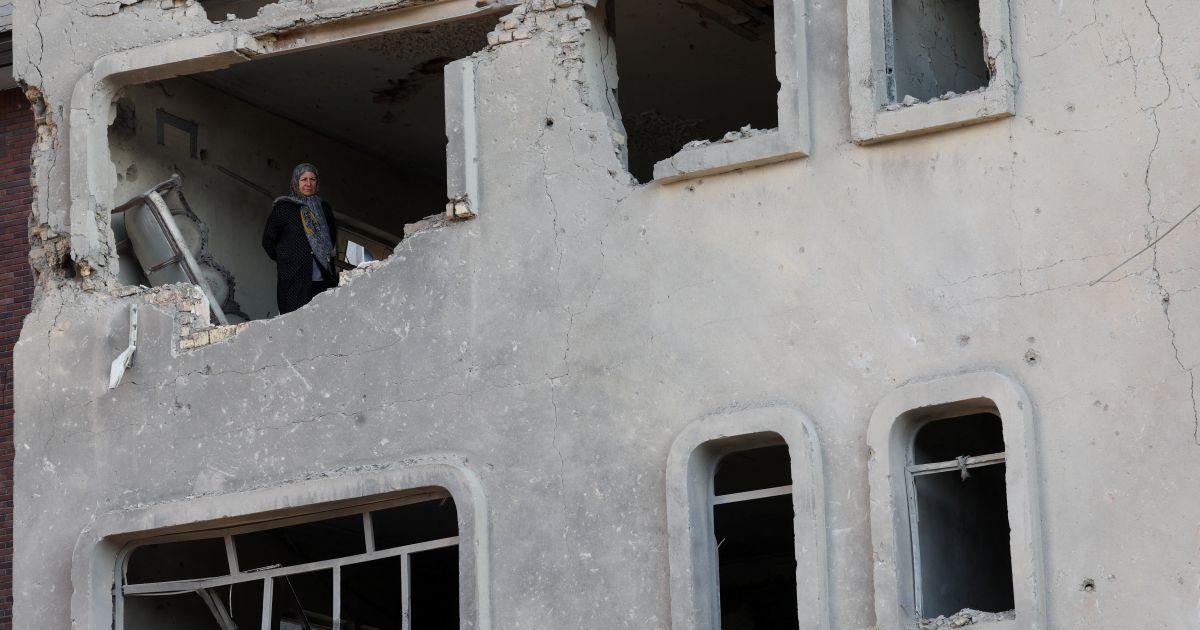
The updated figures reflect the expanding scale of military operations by all parties, resulting in significant infrastructure damage and civilian impacts across the region. Tensions have escalated around strategic areas such as the Strait of Hormuz, a key route for global oil shipments.
The rising cost also reflects increased military deployments, advanced weapon use, and sustained operational activities across multiple fronts.
Analysts note that prolonged engagements tend to multiply financial and logistical demands. Economic pressures linked to the conflict may affect global energy prices and trade flows. The humanitarian and economic toll continues to grow as hostilities persist.


