finance
US Military Focus on Middle East Conflict Affects Asia-Pacific Strategy 15 Years After 2011 Pivot
In 2011, President Barack Obama announced a pivot to Asia to address China's rise after wars in Iraq and Afghanistan. Fifteen years later, the US remains engaged in a Middle East conflict with Iran, leading to the redeployment of military assets from the Asia-Pacific region.
Apr 12, 10:46 AM·2m read1 source
 Fortune
Audio version
Tap play to generate a narrated version.
In 2011, President Barack Obama announced a strategic pivot to Asia, aiming to shift US focus from wars in Iraq and Afghanistan to counter China's growing influence in the region. The policy sought to rebalance American resources toward the Asia-Pacific.
Fifteen years later, as of 2026, the US is involved in a conflict with Iran in the Middle East, which has required pulling military assets from Asia-Pacific locations.
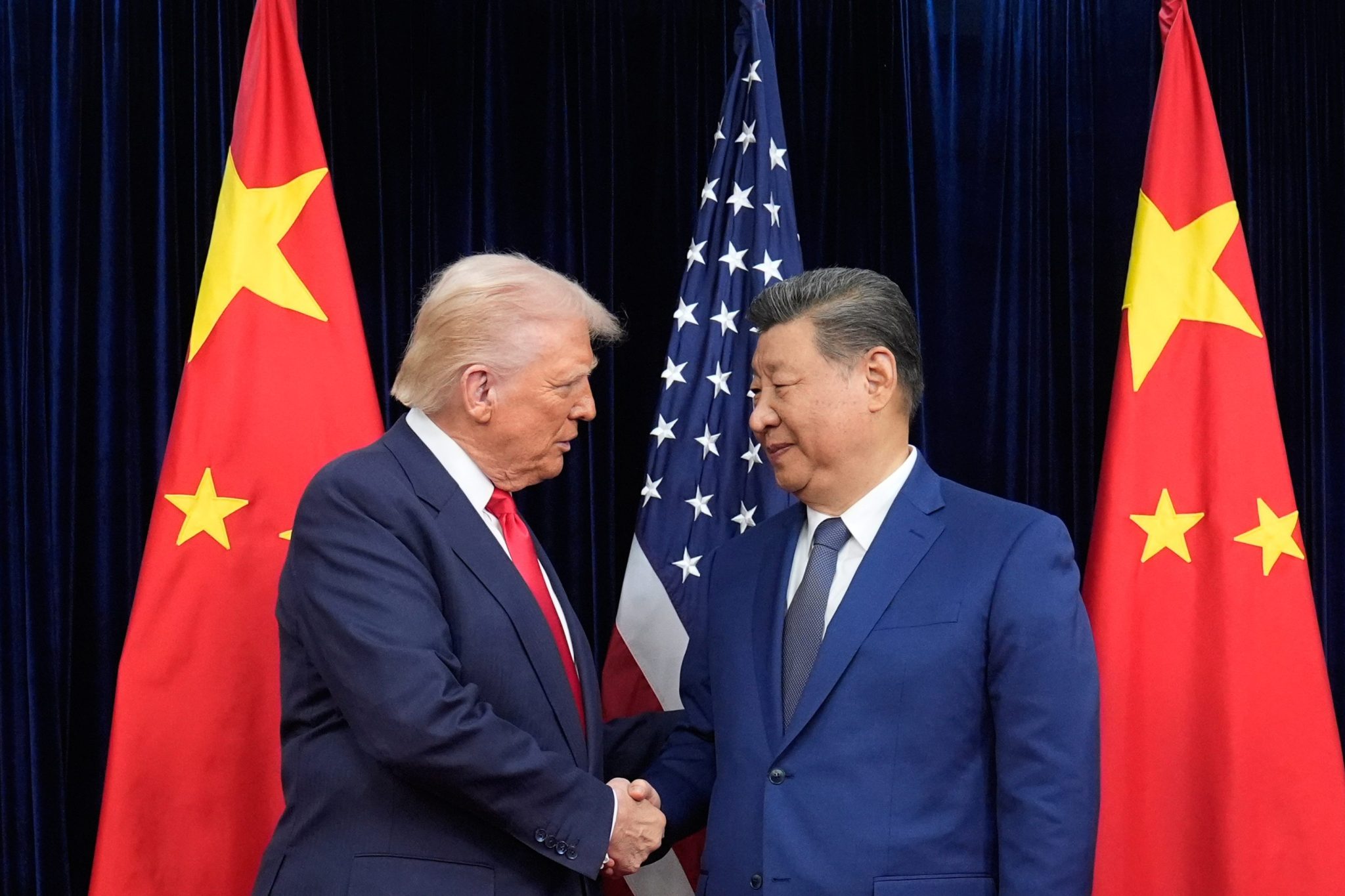
The current Middle East engagement includes efforts to address Iran's nuclear and missile programs. This has led to the redeployment of resources, such as missile defense systems from South Korea and a rapid-response Marine unit from Japan. President Donald Trump delayed a planned trip to China by several weeks due to these demands, affecting preparations for a summit with Chinese leader Xi Jinping scheduled for the following month.
US officials have expressed concerns about the implications for Asia. Sen. Jeanne Shaheen, the top Democrat on the Senate Foreign Relations Committee, led a bipartisan group of senators to Taiwan, Japan, and South Korea.
During the visit, they heard reports of worries over rising energy costs and the removal of US military assets. Shaheen stated that the US remains committed to deterring conflicts in Asia and maintaining regional stability. She noted that China has indicated intentions to take Taiwan by force if necessary and is on an expedited timeline.
Shaheen added that events in Europe, including the war in Ukraine, and the Middle East conflict are influencing these dynamics. >"Failure is not an option," Shaheen told The Associated Press after returning from Asia. "We know China has already said they intend to take Taiwan by force if they need to, and they’re on an expedited time schedule.
" Other officials have highlighted potential long-term effects. Kurt Campbell, who served as deputy secretary of state in the Biden administration, stated concerns that US military capabilities built up in the Indo-Pacific may not fully return after the Iran conflict ends.

