science
US Overdose Deaths Fell 14 Percent in 2025 to About 70,000
Preliminary government data show drug overdose deaths declined for the third consecutive year in 2025, reaching levels last seen in 2019. Declines occurred across multiple drug types and in the vast majority of states. Researchers cited factors including wider availability of naloxone and expanded treatment access while noting emerging synthetic drugs and policy shifts.
May 13, 10:45 AM·2m read1 source
 Abc News
Audio version
Tap play to generate a narrated version.
Developing·Limited corroboration so far. This page will refresh as more sources emerge.
About 70,000 Americans died of drug overdoses in 2025, a 14 percent decrease from the previous year, according to preliminary government data released Wednesday. It was the third straight annual drop, the longest decline in decades. The 2025 total matches the tally from 2019, before the COVID-19 pandemic.
Declines were recorded across fentanyl, cocaine and methamphetamine. Overdose deaths fell in the vast majority of states, although Arizona, Colorado and New Mexico reported notable increases, the Centers for Disease Control and Prevention reported. U.S. overdose deaths had risen for decades before surging during the pandemic to a peak of nearly 110,000 in 2022.
The increase was linked to social isolation and reduced access to addiction treatment. Deaths began declining as the pandemic eased.
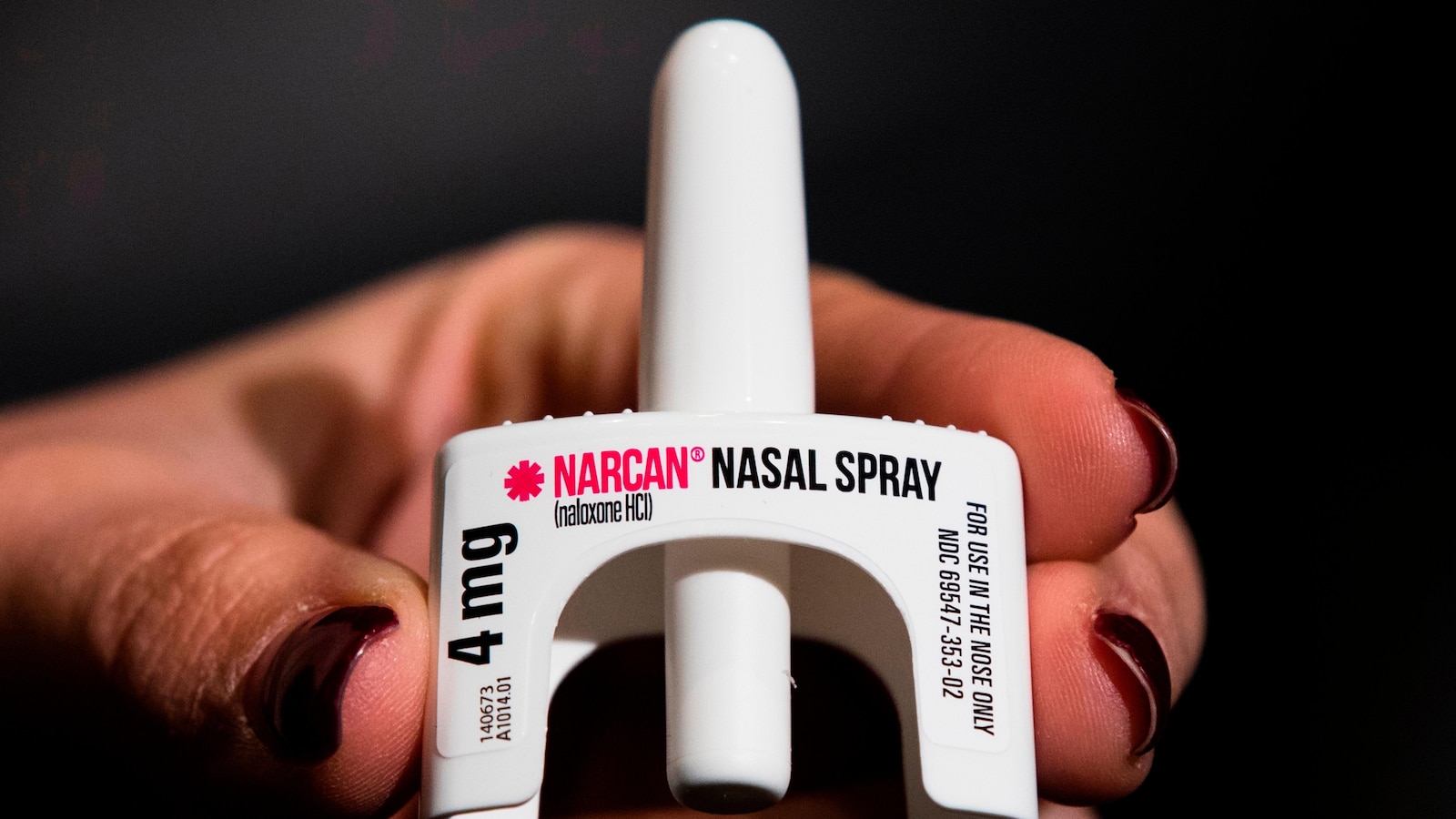
These include greater availability of the overdose-reversing drug naloxone, expanded addiction treatment, changes in drug-use patterns, and funding from opioid lawsuit settlements. Some research suggests the pool of people at high risk of overdose has shrunk because fewer teenagers are starting to use drugs and many long-term users have already died.
Regulatory changes in China several years ago are also thought to have reduced the supply of precursor chemicals used to manufacture fentanyl. “I’m cautiously optimistic that this represents really a fundamental change in the arc of the overdose crisis,” said Brandon Marshall, a Brown University researcher who studies overdose trends.
The number of overdose deaths remains high. Government policy changes or shifts in the illicit drug supply could reverse the downward trend, researchers said. “If deaths are going down rapidly, that means they can increase just as rapidly if we take our foot off the gas,” Marshall said.