Substrate
politics

US President Visits China

The three-day trip, the first by a US president to China since 2017, featured diplomatic talks but produced no major agreements on the ongoing conflict in Iran now in its 11th week. Both sides agreed the Strait of Hormuz must remain open and that Iran cannot acquire a nuclear weapon.

Al-Monitor
Washington Examiner
2 sources·May 15, 7:14 PM(13 days ago)·3m read
US President Visits ChinaWashington Examiner
Audio version
Tap play to generate a narrated version.
Developing·Limited corroboration so far. This page will refresh as more sources emerge.

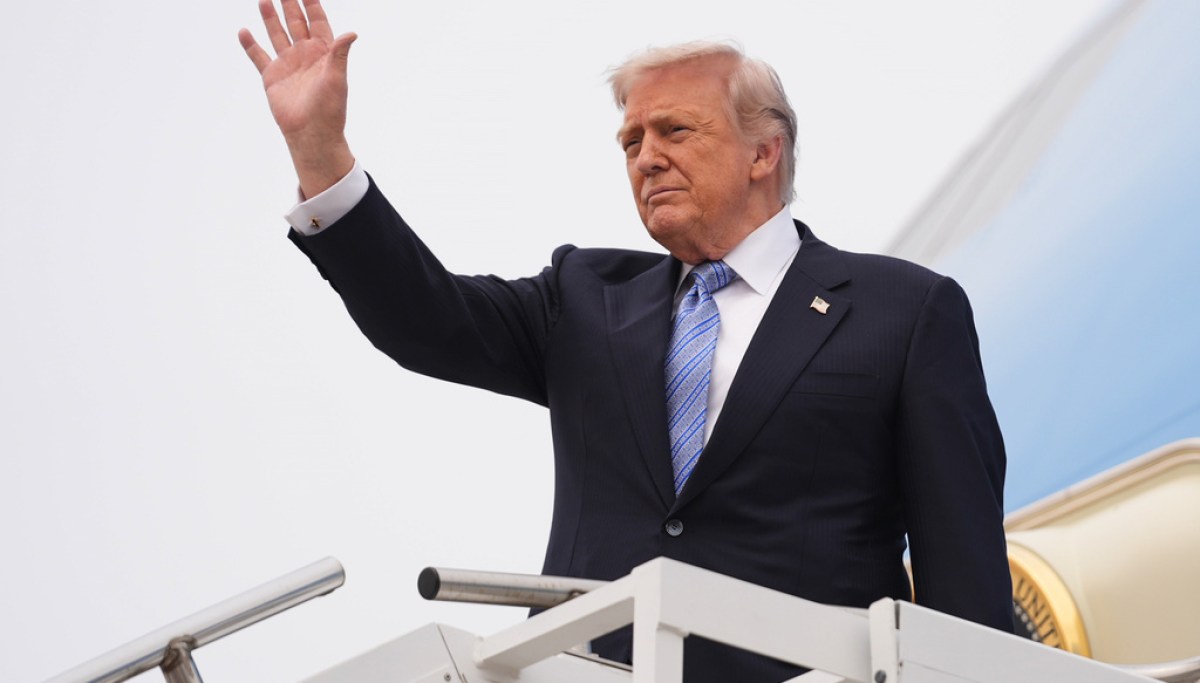
The US president completed a three-day visit to China on May 15, 2026, the first such trip by an American leader since 2017. The meetings included lengthy talks between the two leaders but failed to deliver any concrete deals or diplomatic breakthroughs on the war in Iran, now in its 11th week.

Talks between the leaders lasted more than two hours. A White House readout said both sides agreed the Strait of Hormuz must remain open to support the free flow of energy. The Chinese side also stated its opposition to the militarization of the strait or any effort to charge a toll for its use.

The readout added that China expressed interest in purchasing more American oil in the future to reduce its dependence on the strait. Both countries further agreed that Iran can never have a nuclear weapon. The US president told Fox News that his counterpart committed to withhold military equipment from Iran.

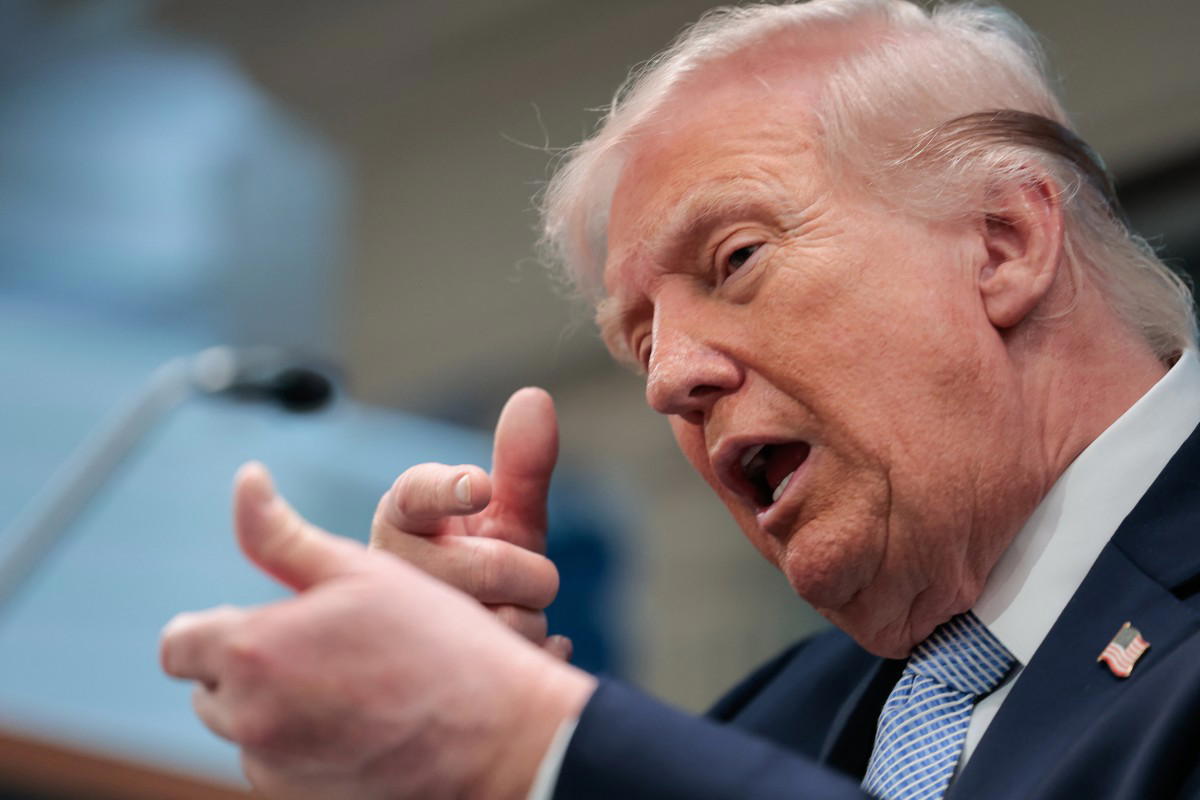
"He said he’s not going to give military equipment. That’s a big statement. He said that today," the president said.

Despite the public statements, there is little indication that Beijing is prepared to fundamentally change its approach toward Iran. China remains the largest purchaser of Iranian oil, continuing to buy heavily discounted crude despite US sanctions.

The US has sought to pressure China on this front. Officials publicly urged Beijing to use its leverage with Tehran to help reopen the Strait of Hormuz. Several Chinese refiners have already been sanctioned for purchasing sanctioned Iranian oil. China's commitment on military equipment may be narrower than presented.

Beijing typically supplies dual-use technology rather than overt military hardware. One example cited was a Chinese satellite system acquired by Iran in 2024 that was later used to help target US military bases. As the president boarded Air Force One, he told reporters that the two sides had discussed US sanctions on Chinese oil refiners.
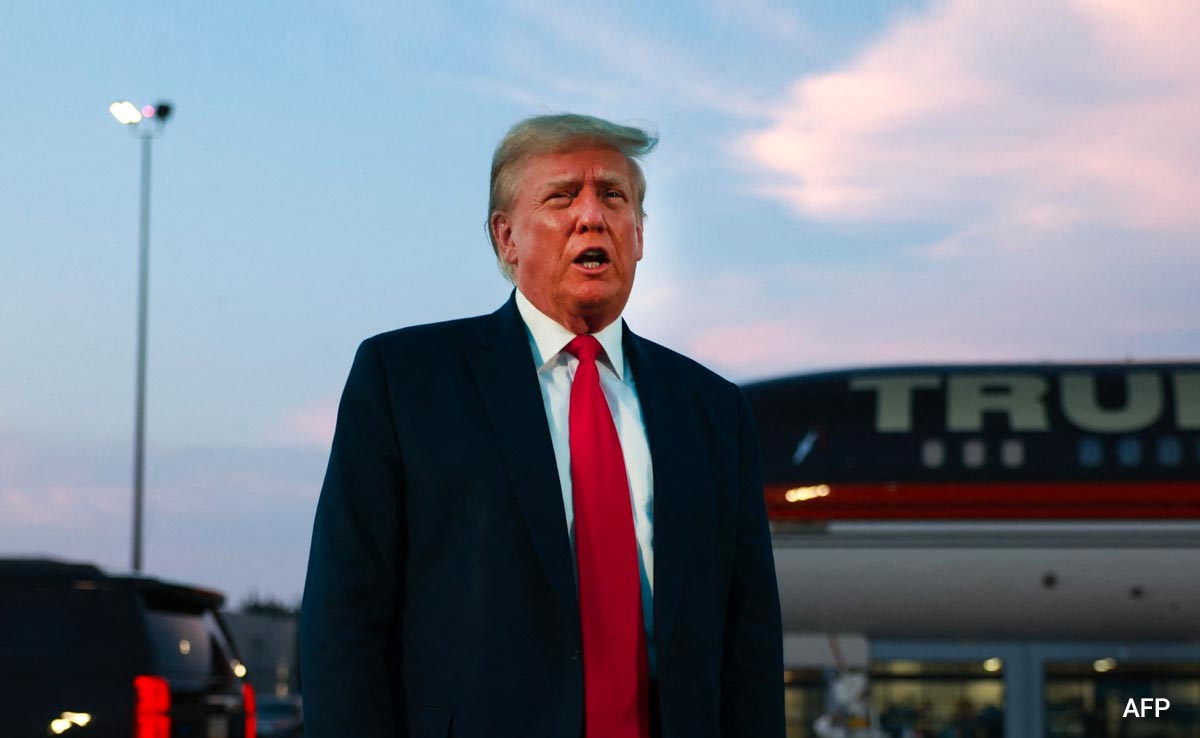
He said a decision on the matter would be made in the coming days.

He said he’s not going to give military equipment. That’s a big statement. Iranian state media reported that some Chinese vessels had been cleared to pass through the Strait of Hormuz after diplomatic outreach by Chinese officials. Ship-tracking data showed at least four China-linked vessels transited the waterway in a 24-hour period. A prolonged US focus on the Middle East reduces American resources available for competition in the Indo-Pacific. Beijing has little incentive to help resolve the crisis quickly even though it does not want uncontrolled regional war or major disruptions to energy flows that would harm its own economy. The conflict has also created new defense opportunities for China in the Gulf. One report cited a US intelligence assessment that China has sold weapons to Gulf allies struggling to defend against Iranian missile and drone attacks. Even if China increased pressure on Tehran, Iranian compliance is not guaranteed. The relationship between China and key Iranian military units remains largely transactional. Iranian officials have also expressed wariness that Chinese mediation might simply advance American demands. China’s gains from the current situation outweigh its losses in the short to medium term. However, as a heavily export-dependent economy, Beijing remains vulnerable to sustained disruptions in global shipping lanes and energy market volatility. The US president’s delegation notably did not include the two officials leading direct negotiations with Iran. The president had sought to temper expectations of any major breakthrough on Iran before the trip began.

Key Facts

3 days
length of US presidential visit to China
11th week
duration of US-Israel war in Iran
Strait of Hormuz
must remain open per joint agreement
No nuclear weapon
both sides agreed Iran can never have one
Chinese oil purchases
largest buyer of discounted Iranian crude

Story Timeline

5 events
  1. May 15, 2026

    US president concludes three-day visit to China with talks on Iran and Strait of Hormuz.

    1 sourceAl-Monitor
  2. May 15, 2026

    White House releases readout of agreements on open strait, no Iranian nuclear weapon, and more US oil purchases.

    1 sourceAl-Monitor
  3. May 15, 2026

    US president tells Fox News that China committed to withhold military equipment from Iran.

    1 sourceAl-Monitor
  4. May 15, 2026

    Iranian state media report Chinese vessels cleared to transit Strait of Hormuz after diplomatic outreach.

    1 sourceAl-Monitor
  5. May 14, 2026

    US president tempers expectations of major Iran breakthrough ahead of China trip.

    1 sourceAl-Monitor

Potential Impact

  1. 01

    US sanctions on Chinese refiners buying Iranian oil remain unresolved pending decision in coming days.

  2. 02

    US attention remains diverted from Indo-Pacific competition while focused on Middle East crisis.

  3. 03

    China gains defense sales opportunities in the Gulf from regional instability.

  4. 04

    Energy prices face ongoing pressure from uncertainty over Strait of Hormuz access.

Transparency Panel

Sources cross-referenced2
Framing risk65/100 (moderate)
Confidence score75%
Synthesized bySubstrate AI
Word count580 words
PublishedMay 15, 2026, 7:14 PM
Bias signals removed4 across 2 outlets
Signal Breakdown
Editorializing 2Amplifying 1Loaded 1

Related Stories

Trump Meets Advisers to Decide on Iran Ceasefire ExtensionBBC News
politics38 min ago

Trump Meets Advisers to Decide on Iran Ceasefire Extension

President Trump said he is holding a Situation Room meeting to make a final decision on a possible deal with Iran. The proposed agreement would extend the ceasefire by 60 days and reopen the Strait of Hormuz.

Al Jazeera
JA
MA
AF
AJ
+6
11 sources
Trump to Decide on Iran Deal in Situation Room Meetingmiddleeasteye.net
politics38 min ago

Trump to Decide on Iran Deal in Situation Room Meeting

President Trump said Friday he is heading into the Situation Room to make a final determination on a potential agreement with Iran. The proposed deal would reopen the Strait of Hormuz without tolls and require destruction of Iran's highly-enriched uranium.

LI
Just the News
CBS News
3 sources
Trump Says U.S. Will Lift Iran Naval Blockade After Nuclear and Hormuz Pledgesrealitytea.com
politics2 hrs agoDeveloping

Trump Says U.S. Will Lift Iran Naval Blockade After Nuclear and Hormuz Pledges

President Trump stated the U.S. will end its naval blockade of Iran once Tehran commits to forgoing nuclear weapons and opens the Strait of Hormuz to unrestricted shipping. The announcement came via Truth Social and a live statement.

FI
LI
MA
3 sources