US Reduces Emphasis on Human Rights in Talks With China
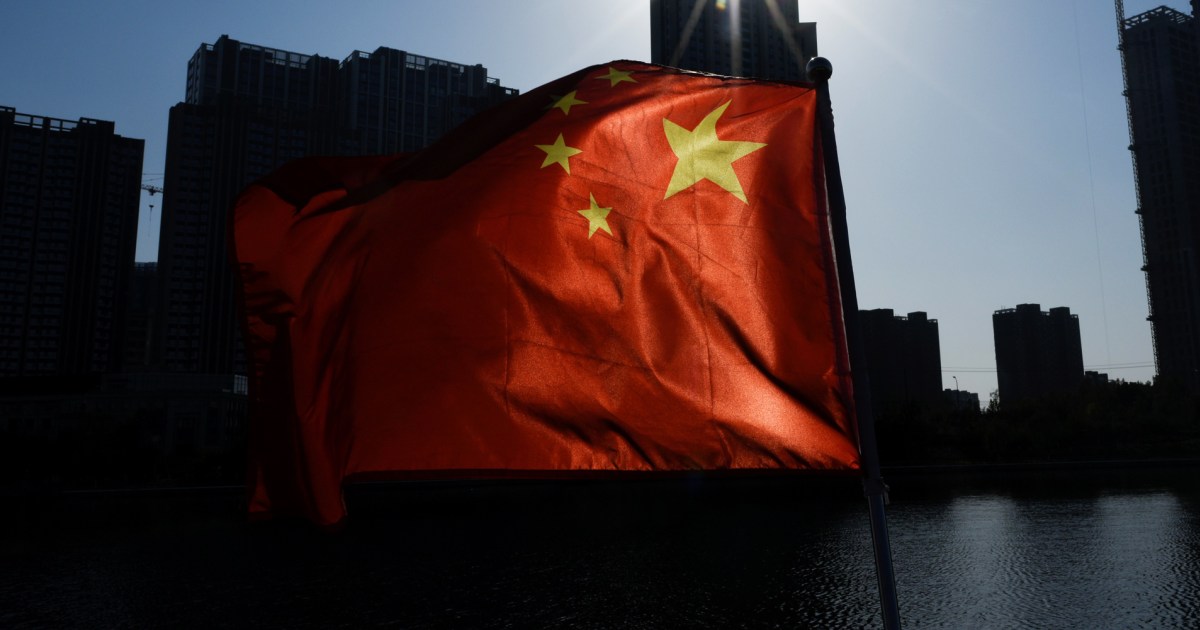
The current US administration has placed less focus on human rights issues during discussions with Chinese officials compared with prior administrations. The approach was evident during recent talks in Beijing where the case of detained activist Jimmy Lai received limited attention. The shift coincides with changes in both US policy priorities and China's growing international stance.
nbcnews.comThis represents a departure from the practices of previous administrations, which more frequently raised concerns about activists, religious minorities and political prisoners during meetings with Chinese leaders. " The US president later told Fox News that human rights had been discussed during the two-hour summit, including the Jimmy Lai case and the situation of several detained pastors.
The Chinese leader was reported as "seriously considering" releasing the religious leaders, who were targeted during a crackdown on Christians. Relatives of the pastors welcomed the development.
US leaders took more visible positions on rights issues during visits to China. When George W Bush visited Beijing in 2008, he attended a Sunday church service to highlight religious freedom. During his state visit the following year, Barack Obama urged then-president Hu Jintao to reopen talks with the Dalai Lama.
In 2012 the Obama administration assisted the evacuation of blind human rights lawyer Chen Guangcheng after he escaped house arrest. Support for such cases has been credited with improving prison conditions or reducing harassment for some Chinese activists, according to Thomas Kellogg, executive director of the Center for Asian Law at Georgetown University.
The reduced emphasis occurs as activists describe a worsening situation for human rights defenders in China. Since Xi Jinping took power in 2012, authorities have cracked down on civil society, punished feminist activists, narrowed space for religious and ethnic expression, and made crushing dissent a priority.
A network of re-education camps in Xinjiang held up to 1 million Uyghurs and other Turkic minorities, according to estimates cited by the UN, which said the policies could constitute crimes against humanity. Beijing denies those claims. "These are very, very difficult times for human rights defenders," said Sophie Richardson, co-executive director of Chinese Human Rights Defenders.
" During the US president's first term, the administration took a more aggressive approach that included sanctions on officials linked to human rights issues in Xinjiang and Hong Kong. Those policies were driven by officials who have since been sidelined.
" China has grown more confident in rejecting external criticism as its economy and military have expanded. In 2021 its State Council issued a report on human rights violations in the US that opened with the quote "I can't breathe," the final words of George Floyd.
Key Facts
Story Timeline
5 events- 2026-05
US president discussed Jimmy Lai and detained pastors with Chinese leader during Beijing summit.
1 sourceThe Guardian - 2026-05
US president told Fox News the Chinese leader was seriously considering releasing detained pastors.
1 sourceThe Guardian - 2012
Obama administration helped evacuate blind lawyer Chen Guangcheng from house arrest.
1 sourceThe Guardian - 2009
Obama urged Chinese president to reopen talks with the Dalai Lama during state visit.
1 sourceThe Guardian - 2008
George W Bush attended church service in Beijing to highlight religious freedom.
1 sourceThe Guardian
Potential Impact
- 01
China continues to dismiss external human rights criticism as hypocritical or hostile.
- 02
Families of detained pastors expressed gratitude following reported discussion of their cases.
- 03
Chinese human rights activists may experience reduced external support and lower morale.
- 04
US sanctions on Chinese officials linked to Xinjiang and Hong Kong abuses are no longer pursued.
Transparency Panel
Related Stories
BBC NewsTrump Meets Advisers to Decide on Iran Ceasefire Extension
President Trump said he is holding a Situation Room meeting to make a final decision on a possible deal with Iran. The proposed agreement would extend the ceasefire by 60 days and reopen the Strait of Hormuz.
NewsweekFederal Judge Orders Trump Name Removed From Kennedy Center
A federal judge ruled Friday that the Kennedy Center board violated the law by adding President Donald Trump's name to the venue and ordered the name removed within two weeks. The same ruling blocked a planned two-year closure for renovations.
Brazil's Lula Criticizes U.S. Terror Designation of Crime Groups
Brazilian President Luiz Inacio Lula da Silva rejected the U.S. decision to label two major crime organizations as terrorist groups. He called the move a potential setback in fighting crime and warned against interference in Brazilian sovereignty.