Unbiased AI-powered news
US Secretary of State Marco Rubio is scheduled to meet Pope Leo for discussions following recent exchanges with President Trump over the war in Iran. The meeting occurs as oil prices remain above $100 per barrel amid Strait of Hormuz disruptions. Related developments include Iranian diplomatic talks in China and South Korean monitoring of navigation safety.
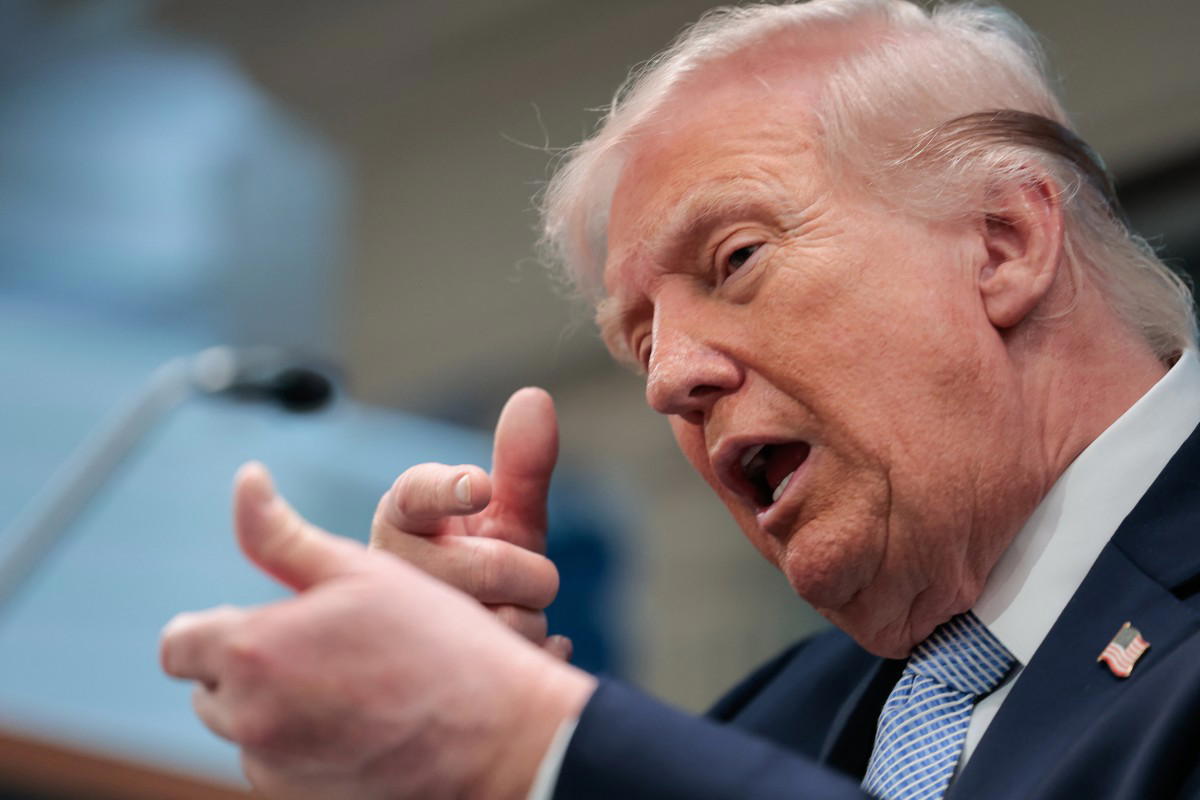
upi.comRubio is set to meet Pope Leo on Thursday for what the US ambassador to the Holy See described as a frank conversation about the Trump administration's policies. This follows an exchange on April 12, when President Trump posted on social media calling the pope terrible after the pope criticized the US-Israeli attack on Iran.
Two days later, Trump posted asking someone to tell Pope Leo about the deaths of Iranian protesters, to which the pope responded by stating he condemns all unjust actions and the taking of people's lives. Iranian Foreign Minister Abbas Araghchi is traveling to Beijing later today to meet his Chinese counterpart Wang Yi, according to Iran's Foreign Ministry.
The discussions will cover bilateral ties and regional and international developments. This occurs as the US and Iran remain in negotiations to end the Middle East conflict that began on February 28 with actions by Israel and the United States.
Korea's presidential secretary Choi Soung-ah stated that the safety of international maritime routes and freedom of navigation should be protected under international law. Seoul is monitoring President Trump's remarks related to this issue, Choi told Reuters.
The comments follow an explosion and fire on a South Korean-operated ship in the Strait of Hormuz on Monday, which Trump attributed to an Iranian attack, while South Korea's Foreign Ministry said the cause will be confirmed after the vessel is towed to port.
The South Korean government is reviewing its position on joining the US mission in the Strait of Hormuz, basing its stance on international law, maritime route safety, its alliance with the US, and the security situation on the Korean Peninsula, according to the Ministry of Defence.
It has been in discussions with partners led by Britain and France to support reopening the strait, but sending a warship would require National Assembly approval as the area is an active warzone. South Korea has confirmed an explosion and fire originating from the engine room's port side on the vessel, with the cause still under investigation.
An unnamed Iranian military official told Iran's IRIB news agency that a fire at the UAE's Fujairah port resulted from US military adventurism aimed at creating passage for ships through the Strait of Hormuz. The official stated that Iran had no pre-planned program to attack the oil facilities and that the US must be held accountable and end the use of force in diplomatic processes.
Oil prices fell after a rise on Monday following escalations in the Strait of Hormuz, with Brent Crude futures dropping more than 1 percent to $112 per barrel and US oil futures to just below $104 per barrel. Prices remain above $100 per barrel as disruptions in the strait continue, with traders monitoring the ceasefire agreement between the US and Iran.
10. Ilya Spivak, head of global macro at US-based Tastylive, said prices are digesting after the return of war-related market movements, but gains were limited as rising crude oil prices stoked inflation fears and affected the US interest rate outlook.
He noted that higher US Treasury yields and a stronger dollar weighed on gold, which is non-interest-bearing. Hezbollah reported targeting Israeli soldiers, vehicles, a tank with a drone, and bulldozers in southern Lebanon areas including Biyyada, al-Qaouzah, Deir Siryan, and Rashaf.
A ceasefire is in place between Israel and Lebanon, but fighting continues.
Lorenzo Kamel, a professor of history at the University of Turin, told Al Jazeera that outsourcing militarized stabilization to countries housing US forces is a problem for the Middle East. He stated that history shows outsourcing security to external countries will not bring lasting peace and that real peace, not armed stability, is needed.
On US-Iran negotiations, Kamel said talks will not progress without understanding that there is no military solution to a political problem, noting that Western countries have propped up regimes in the region for control over centuries. Israeli military commander Avi Bluth warned in a closed forum that rising settler attacks in the occupied West Bank could lead to a Palestinian uprising and described the actions as a disgrace to the Jewish people, according to Israeli media reports.
Even as these warnings circulated, settler attacks continued, new illegal outposts were established, and Israel's navy intercepted a humanitarian flotilla in international waters.
Single source — no framing comparison available.
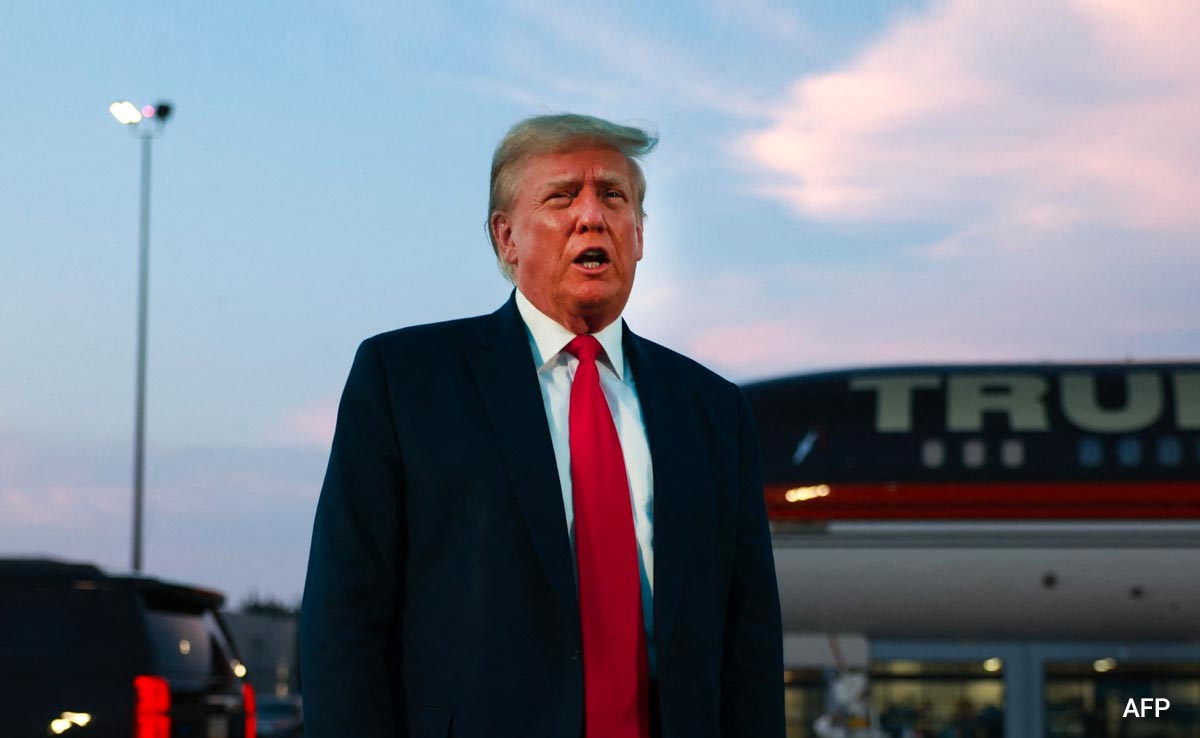
ndtv.comPresident Trump informed Congress on July 10 that U.S. strikes against Iran resumed on July 7 after the collapse of an April ceasefire. The notification followed Iranian attacks on oil tankers in the Strait of Hormuz.
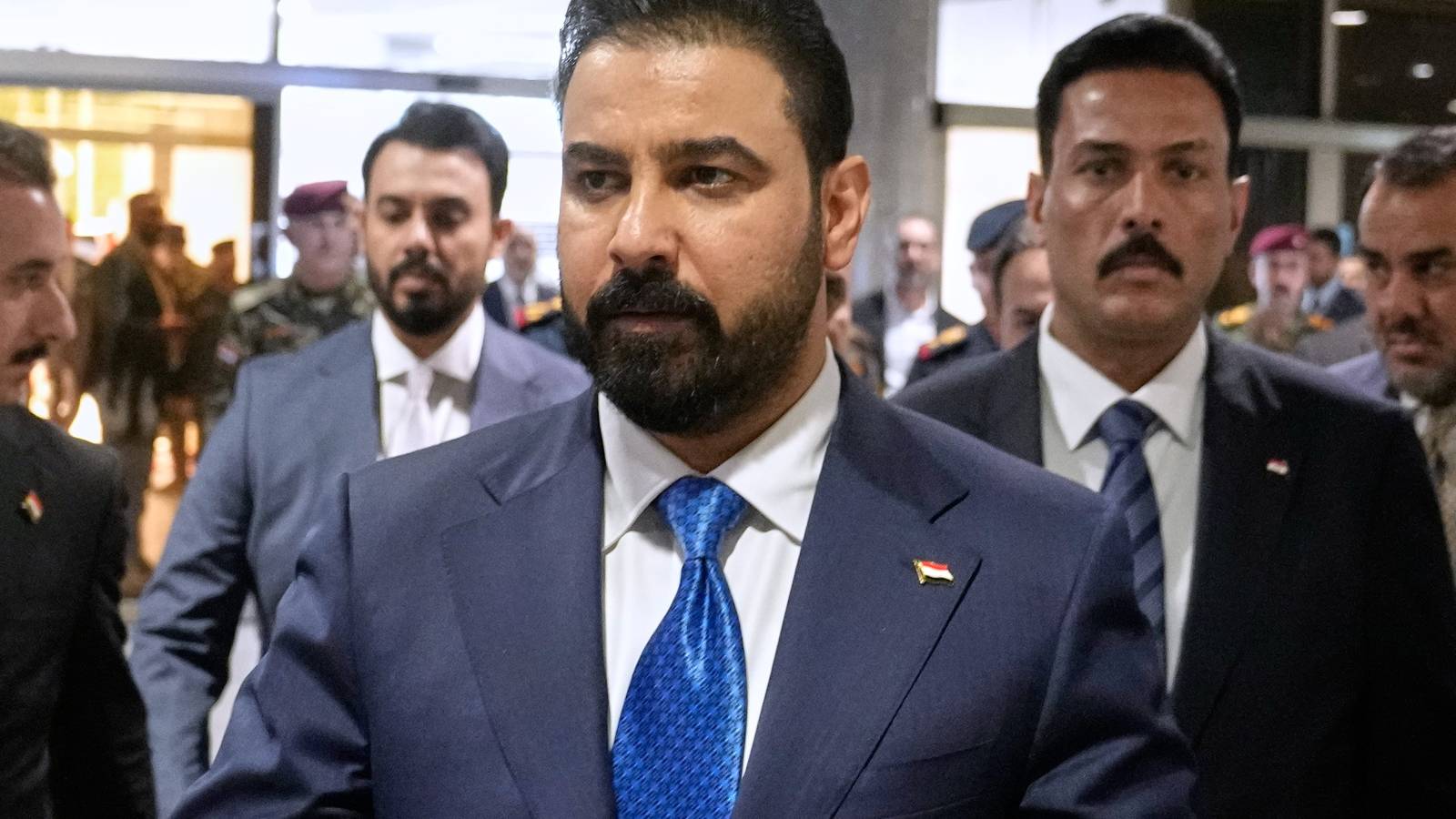
Military.comPresident Donald Trump met Iraqi Prime Minister Ali al-Zaidi at the White House on Tuesday. The visit focuses on economic ties and militia disarmament amid regional tensions with Iran.
vanguardngr.comPresident Donald Trump on Tuesday dropped plans for a 20 percent reimbursement fee on cargo through the Strait of Hormuz. He announced a full blockade on Iranian shipping and said new trade and investment deals with Gulf states would replace the fee. The shift follows the breakdo…