US Imposes Sanctions on Strait of Hormuz Fees; Iran Offers Ceasefire Via Pakistan
Iran transmitted a new ceasefire proposal to the United States via Pakistani mediators amid stalled talks. The US issued a sanctions warning to shippers against paying fees for passage through the Strait of Hormuz. Negotiations continue against the backdrop of a US naval blockade in its third week.
dailyexcelsior.comIran sent a counter-proposal to the United States through Pakistani mediators in response to recent US changes to past proposals on a lasting ceasefire deal, according to Barak Ravid of Axios. Iranian media also reported that Tehran sent its latest proposal to the US via Pakistani mediators.
Iranian state media stated that Tehran sent a new proposal for a lasting ceasefire to the Trump administration.
The United States warned shippers that paying tolls or other fees to Iran for passage through the Strait of Hormuz risks sanctions, according to Al Jazeera Staff and Reuters. The US warning was issued on Friday, May 1, 2026. The advisory from the US Department of the Treasury’s Office of Foreign Assets Control highlighted sanctions risks for payments to Iran for safe passage through the Strait of Hormuz.
A US naval blockade of the Strait of Hormuz continued for its third week as of May 1, 2026. US-Iran ceasefire talks stalled as of May 1, 2026. Both sides halted attacks since reaching a tentative agreement to pause fighting on April 7, 2026.
Iran has made two main demands since the nominal ceasefire started and negotiations began: continued enrichment and cessation of hostilities between Lebanese Hezbollah and Israel, according to Barak Ravid of Axios. Iranian President Masoud Pezeshkian called the ongoing siege on Iran's ports intolerable.
Iran’s Foreign Minister Abbas Araghchi said on Friday, May 1, 2026, that Tehran remains open to diplomacy with the US if Washington alters its expansionist approach and threatening rhetoric.
The US and Israel began launching attacks on Iran on February 28, 2026. Iran's influence over and ability to close the Strait of Hormuz emerged as a key point of leverage shortly after February 28, 2026. About one-fifth of global crude oil and liquefied natural gas maritime shipments pass through the Strait of Hormuz.
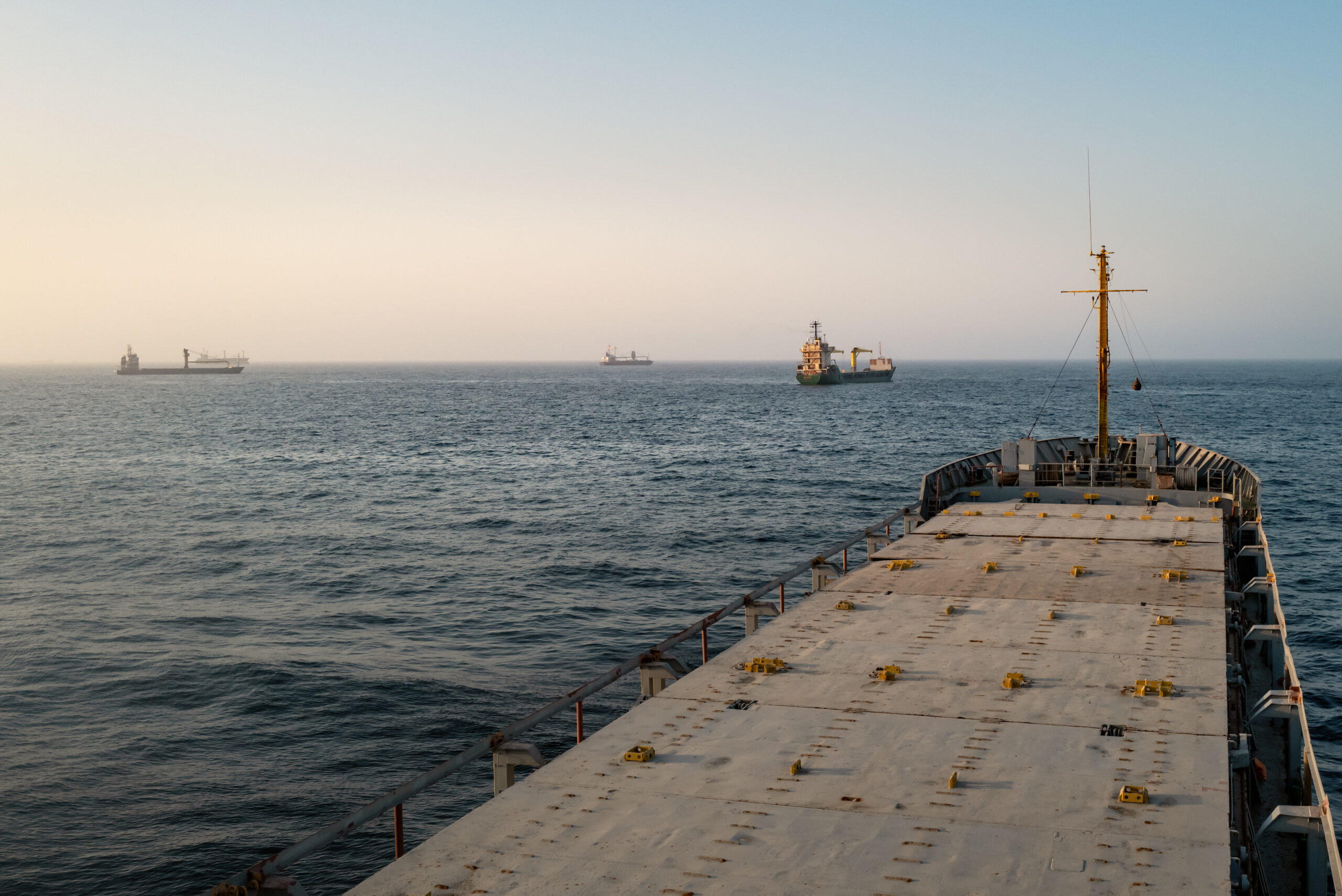
In past proposals to end the war, Iran proposed charging fees or tolls for vessels passing through the Strait of Hormuz. Washington repeatedly rejected Iran's proposals to charge fees or tolls for Strait of Hormuz passage. Iran may offer shippers fiat currency, digital assets, offsets, informal swaps, or other in-kind payments for Strait of Hormuz passage, according to the US Department of the Treasury’s Office of Foreign Assets Control.
Payments to Iran for Strait of Hormuz passage may be framed as charitable donations to the Iranian Red Crescent Society, Bonyad Mostazafan, or Iranian embassy accounts, according to the US Department of the Treasury’s Office of Foreign Assets Control.
The government of Iran and the International Revolutionary Guard Corps remain under US sanctions. A White House spokesperson declined to confirm receipt of Iran's new ceasefire proposal.
White House spokesperson Anna Kelly said the proposal does not detail private diplomatic conversations. White House spokesperson Anna Kelly said Trump has been clear that Iran can never possess a nuclear weapon and negotiations continue to ensure US national security.
Key Facts
Story Timeline
4 events- 2026-05-01
US issued warning on sanctions risks for paying tolls to Iran for Strait of Hormuz passage; Iranian Foreign Minister Abbas Araghchi stated Tehran open to diplomacy if US changes approach; Iranian state media reported new ceasefire proposal
3 sourcesAl Jazeera Staff and Reuters · Iran’s Foreign Minister Abbas Araghchi · Iranian state media - 2026-04-07
Both sides reached tentative agreement to pause fighting and largely halted attacks.
1 sourceAl Jazeera Staff and Reuters - 2026-02-28
US and Israel began launching attacks on Iran; Iran's leverage over Strait of Hormuz emerged shortly after.
1 sourceAl Jazeera Staff and Reuters - Unspecified recent
Iran sent counter-proposal to US via Pakistani mediators in response to US changes to past proposals.
2 sourcesBarak Ravid of Axios · Iranian media
Potential Impact
- 01
Increased sanctions risks for international shippers engaging with Iran for passage.
- 02
Disruption to global oil and gas shipments through Strait of Hormuz due to ongoing blockade and toll disputes.
- 03
Potential escalation in US-Iran tensions if talks remain stalled, leading to resumed attacks.
- 04
Shift in diplomatic leverage if Iran implements tolls framed as donations, complicating enforcement.
Transparency Panel
Related Stories
The GuardianWHO Chief Visits DRC as Ebola Death Rate Reaches 30-50%
World Health Organization director-general Tedros Adhanom Ghebreyesus arrived in the Democratic Republic of the Congo to support containment of a new Ebola outbreak. The agency revised the death rate to 30-50% based on confirmed cases and recorded 10 confirmed and 223 suspected d…
westernjournal.comGreek National Charged in UK With Aiding Iran-Linked Intelligence Service
A 46-year-old Greek man living in Germany was charged under the UK National Security Act with assisting an intelligence service believed to be Iran by targeting a journalist at Iran International.
upi.comSupreme Court Revives Havana Docks Lawsuit Over Confiscated Cuban Property
The U.S. Supreme Court sent a Helms-Burton Act case back to lower courts for further argument. The suit seeks damages from cruise lines that used docks seized by Cuba in 1959.