finance
Used-car marketplace Carro considers U.S. IPO filing this month
Singapore-based Carro is working with advisers on a potential U.S. initial public offering that could raise up to $500 million. The company is also weighing a second listing in Singapore.
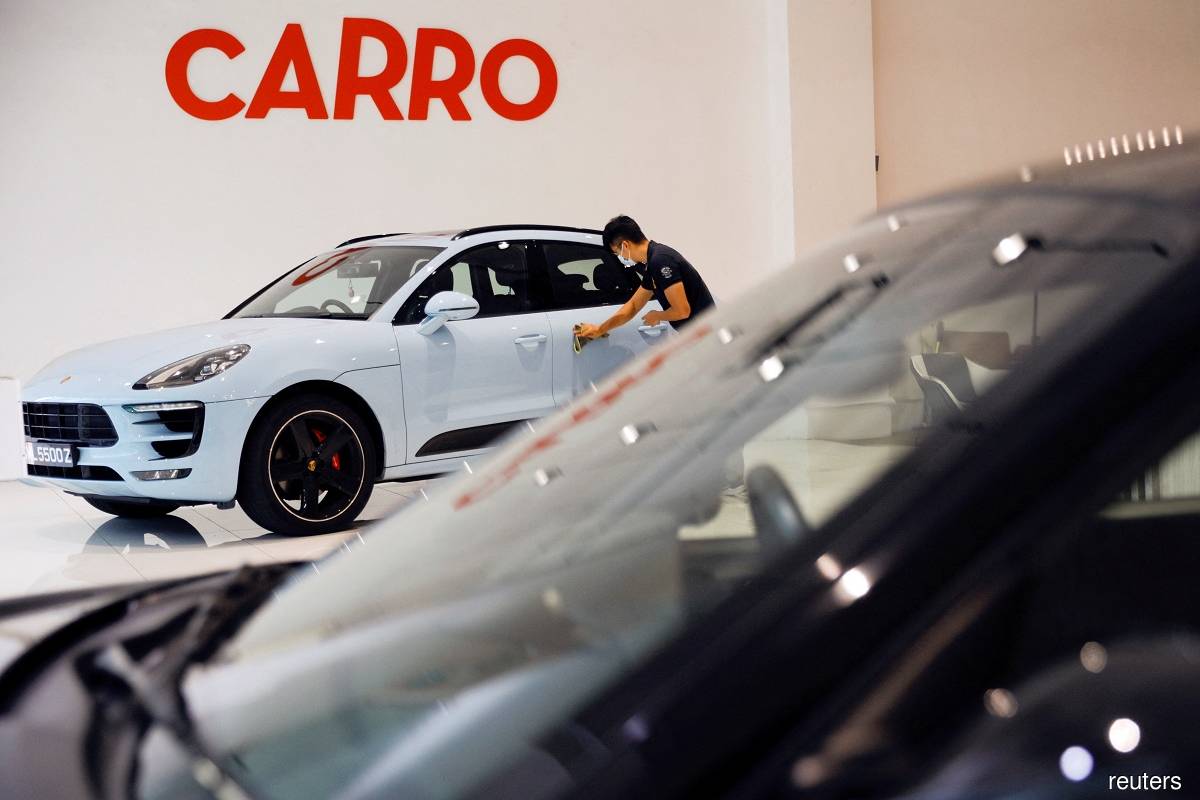 theedgemarkets.com
Audio version
Tap play to generate a narrated version.
Developing·Limited corroboration so far. This page will refresh as more sources emerge.
Used-car marketplace Carro is considering filing confidentially for an initial public offering in the U.S. as soon as this month, people familiar with the matter said. Carro is working with advisers and may potentially raise as much as $500 million, the people said, asking not to be identified as the talks are private.
The company, which is backed by SoftBank Group, is also considering a second listing in Singapore, the people added. It might tap the exchange’s new Global Listing Board, which allows firms valued at more than 2 billion Singapore dollars to dual list on the Nasdaq with a single filing, they said.
Deliberations are ongoing and details such as the size and timing of a possible offering may still change, the people added.
in 2015, Singapore-based Carro also offers services such as financing, insurance and aftersales care. In addition to SoftBank, its backers include GIC and Cool Japan Fund. Carro operates in markets including Singapore, Indonesia, Australia, Japan, Thailand, Hong Kong and Taiwan.
Singapore’s IPO market has been improving, hitting a six-year high of $1.9 billion in 2025 and reaching $912 million so far this year, compiled data shows. Carro said it periodically evaluates potential fundraising plans and will provide updates when appropriate.