world
USS Ted Stevens Arleigh Burke Destroyer Arrives in Norfolk Virginia
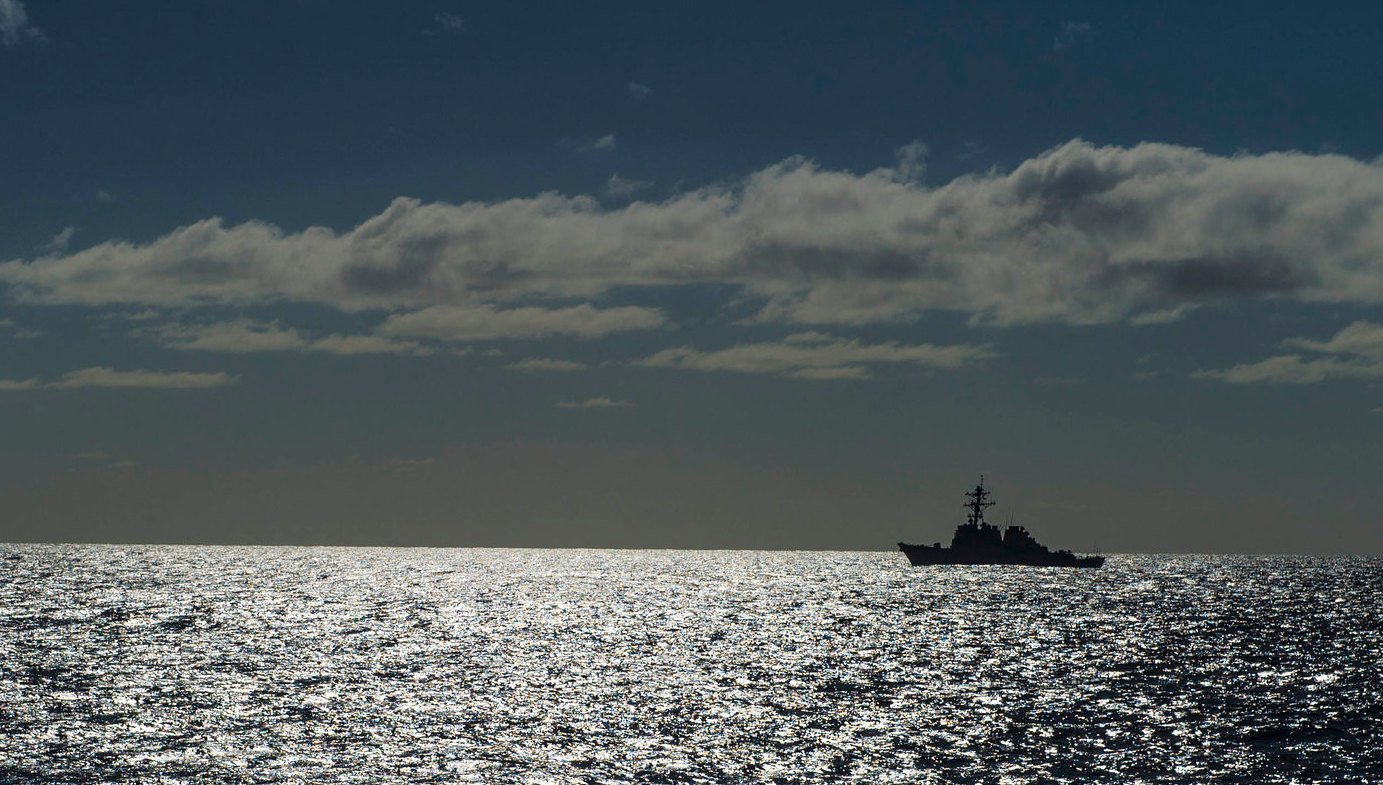
The USS Ted Stevens (DDG 128), the second Baseline 10 Flight III Arleigh Burke-class destroyer equipped with the SPY-6 radar, arrived in Norfolk, Virginia. The vessel represents the latest addition to the U.S. Navy surface fleet with advanced air and missile defense capabilities. Images shared on social media showed the warship entering port on May 15, 2026.
May 15, 6:00 PM·2m read3 sources
SEMA
 news.usni.org
Audio version
Tap play to generate a narrated version.
Developing·Limited corroboration so far. This page will refresh as more sources emerge.
The second Baseline 10 and SPY-6 Flight III Arleigh Burke-class destroyer entered the U.S. surface fleet when the USS Ted Stevens (DDG 128) arrived in Norfolk, Virginia on May 15, 2026. The warship, equipped with the advanced SPY-6 radar system, was spotted entering the port throughout the day.
Post by @sentdefender on X
Social media accounts posted images and video of the destroyer as it made its arrival, highlighting its sleek profile and formidable appearance. One account described the vessel as one of the Navy’s newest Flight III Arleigh Burke destroyers. The SPY-6 radar provides significantly enhanced detection and tracking capabilities compared to earlier systems, allowing the ship to handle multiple air and missile threats simultaneously.
The arrival marks a concrete step in the Navy's ongoing modernization of its destroyer force. Flight III vessels incorporate both hull and combat system upgrades designed to counter evolving aerial threats, including hypersonic missiles and drone swarms.
Photographs circulated online showed the USS Ted Stevens maneuvering into the Virginia port. Observers noted the ship's clean lines and integrated superstructure that houses the large SPY-6 array. The destroyer is the second of its specific configuration to join the fleet.
Its predecessor in the Baseline 10 Flight III program has already begun operational testing and integration into carrier strike groups. Naval analysts have tracked the gradual rollout of these advanced destroyers over recent years. Each new hull adds substantial capability to the surface fleet's air defense network, particularly in high-threat environments.