world
USTR to Hold Hearings on Trade Investigations into South Korea, China, Japan and 13 Other Countries
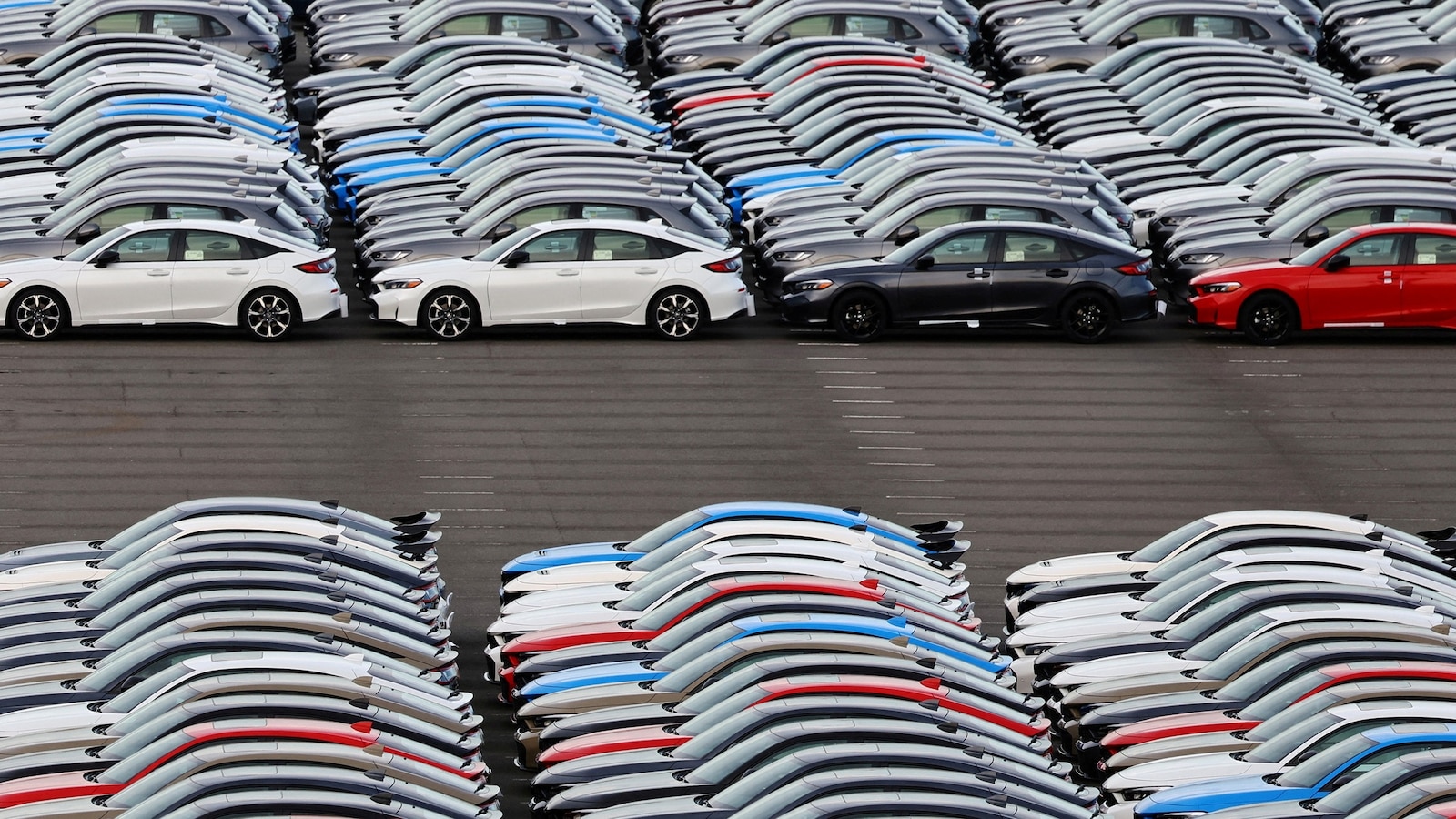
The Office of the U.S. Trade Representative will conduct public hearings this week on investigations into structural excess capacity in manufacturing sectors across 16 countries. The probes, launched in March under Section 301 of the 1974 Trade Act, target unfair trade practices. A South Korean official plans to defend Seoul's market-based industrial structure during the sessions.
 abcnews.go.com
Audio version
Tap play to generate a narrated version.
Developing·Limited corroboration so far. This page will refresh as more sources emerge.
U.S. Trade Representative (USTR) announced Monday that it will hold public hearings this week on trade investigations into South Korea, China, Japan and 13 other countries related to structural excess capacity and production in manufacturing sectors, Yonhap reported.
U.S. International Trade Commission in Washington from Tuesday through Friday. USTR has been conducting the investigations under Section 301 of the 1974 Trade Act, a provision that enables probes into unfair foreign trade practices on a country-by-country basis.
The investigations launched in March as the administration seeks to replace country-specific reciprocal tariffs invalidated by the Supreme Court in February.
Section 301 could lead to tariffs or other measures against the targeted nations. U.S.
Capitol in Washington. A South Korean official plans to explain Seoul's position on the first day of the hearings. The official is expected to underscore that South Korea's industrial structure is anchored in market economy principles.
The official will also highlight voluntary and proactive restructuring efforts in sectors affected by global excess capacity, such as petrochemicals and steel. Last month, USTR held separate public hearings on investigations into 60 economies, including South Korea, China and Japan.
Those probes aim to assess whether the governments have taken sufficient steps to ban imports of goods produced with forced labor.


