Uyghur Fighters Describe Role in Syrian Rebel Offensive That Toppled Assad
More than 40 Uyghur fighters and family members spoke to NPR about their participation in the Syrian civil war. They recounted how they joined rebel groups and took part in the November 2024 offensive that captured Aleppo.
 Npr
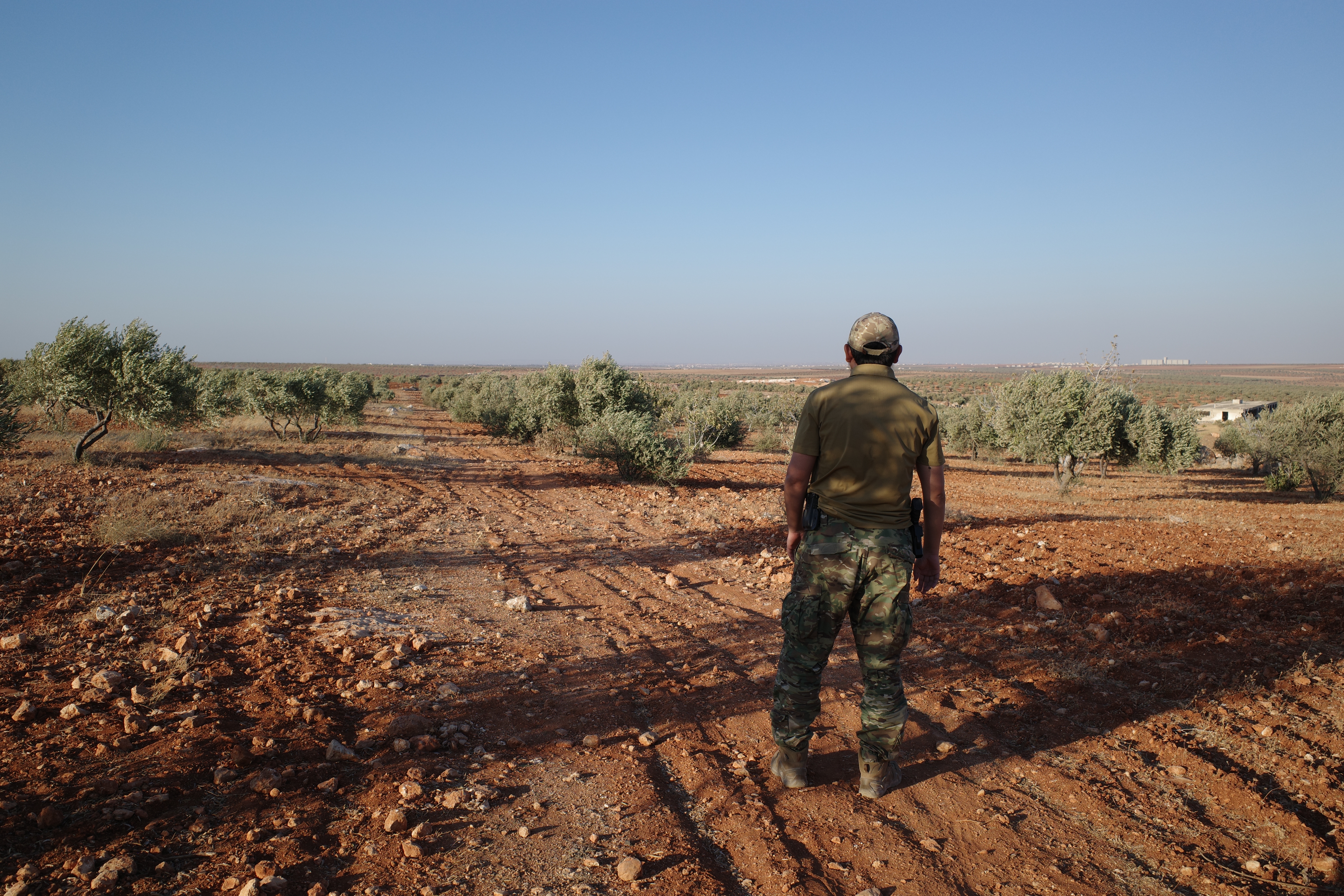
NprUyghur fighters from China's Xinjiang region took part in a November 2024 rebel offensive that captured Aleppo and later contributed to the fall of the Assad government. NPR interviewed more than 40 fighters and their families in rebel-held northern Syria over the course of a month.
The fighters described clearing a water tunnel more than two miles long behind government lines. One unit positioned itself inside the tunnel with oxygen tanks while another waited in olive groves. At dawn the tunnel unit emerged behind regime troops and the second unit attacked from the front, scattering government forces.
Hobayd, 31, commanded the tunnel unit. He said the fighters remained steadfast and all survived the operation. He recalled chasing government troops toward Damascus in the weeks after Aleppo fell.
The Uyghurs became the largest contingent of foreign fighters in Syria and took on tasks other rebel groups avoided. Aaron Zelin of the Washington Institute for Near East Policy said they had an outsized role in the civil war and were among the most battle-hardened fighters.
The new Syrian government integrated the largest Uyghur militia into the reconstituted Syrian National Army and appointed several Uyghur commanders as officers. There is discussion of granting some fighters Syrian citizenship.
China has refused to lift terrorism sanctions on Syria until the government addresses the presence of Uyghur fighters. Beijing has long viewed Uyghur militants abroad as terrorists and has accused them of involvement in attacks inside China. The fighters said they left China because of repression that included reeducation camps starting in 2017.
They expressed hope of preserving their culture and one day returning to the region they call East Turkestan.
Transparency
Reported by a single outlet. This score reflects source tier and factual specificity — corroboration is limited with one source.
Story details
Related Stories
 jpost.com
Secretary of State Rubio Testifies Before Senate on Iran War and Afghan Relocation Plans
Marco Rubio appeared before the Senate Foreign Relations Committee on Tuesday for his first testimony since the Iran war began, addressing U.S. foreign policy and Afghan relocation plans.
 abcnews.go.com
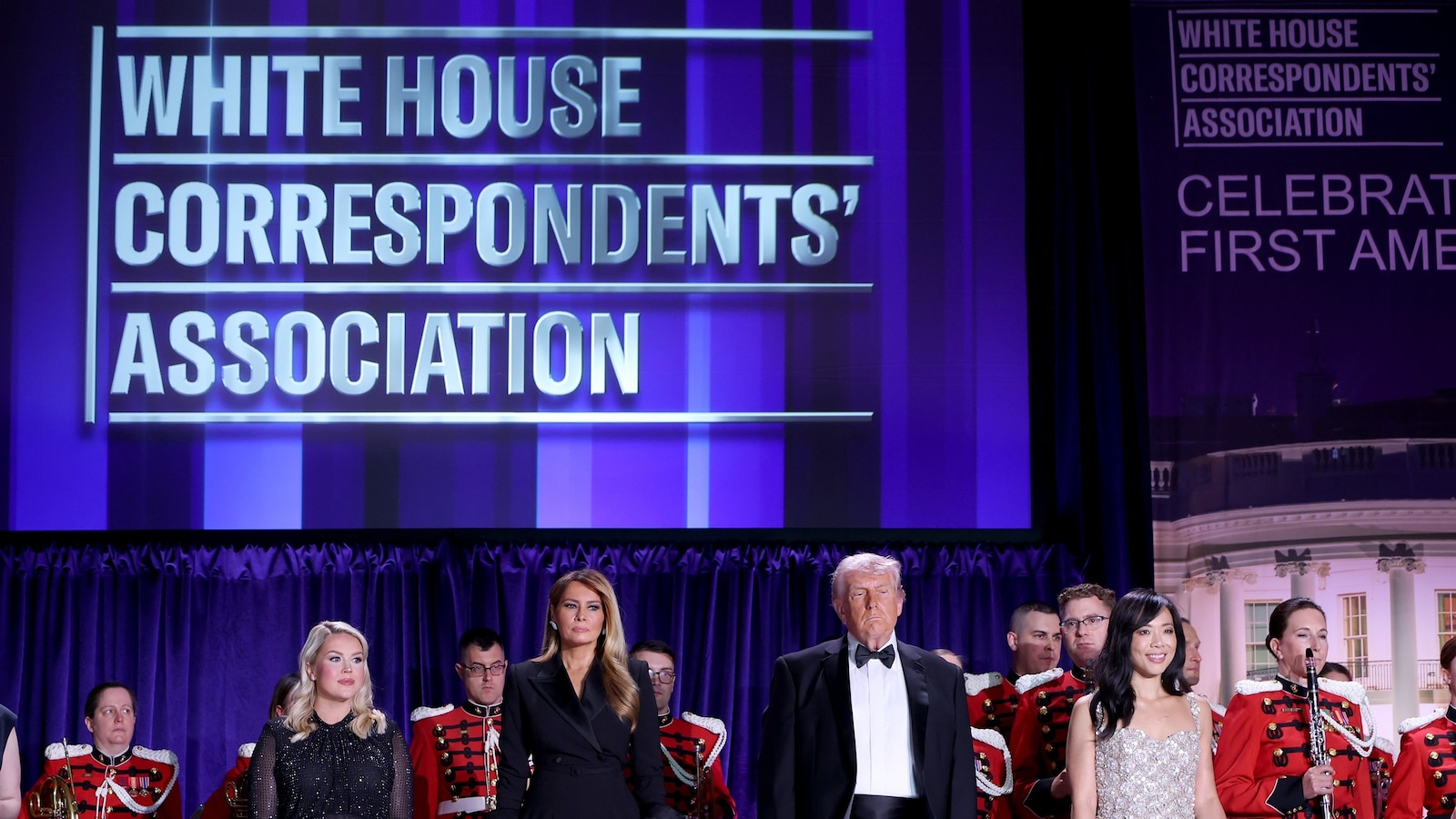
White House Correspondents’ Association Reschedules Annual Dinner for July 2026 After April Assassination Attempt on Trump
The White House Correspondents’ Association will hold its annual dinner on July 24, 2026. The date replaces the April 25 event that ended early after a gunman disrupted proceedings attended by President Trump.
 thenation.com
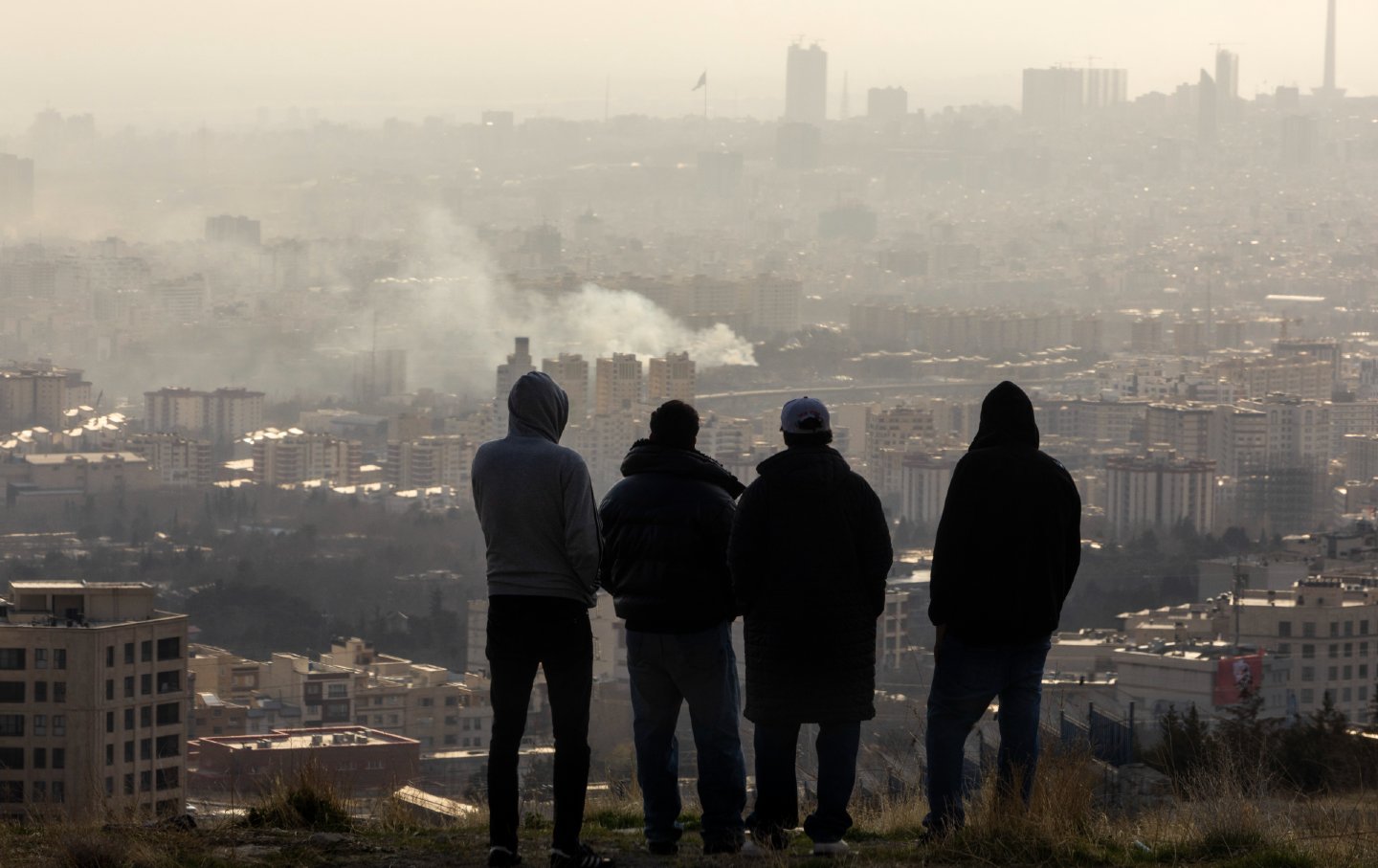
**Rubio Testifies on Iran War, Nuclear Talks and Strait of Hormuz Demands Before Senate Panel**
Secretary of State Marco Rubio told the Senate Foreign Relations Committee on June 2, 2026 that the United States remains in negotiations with Iran. The hearing was Rubio's first congressional testimony since the start of the Iran war.