Substrate
science

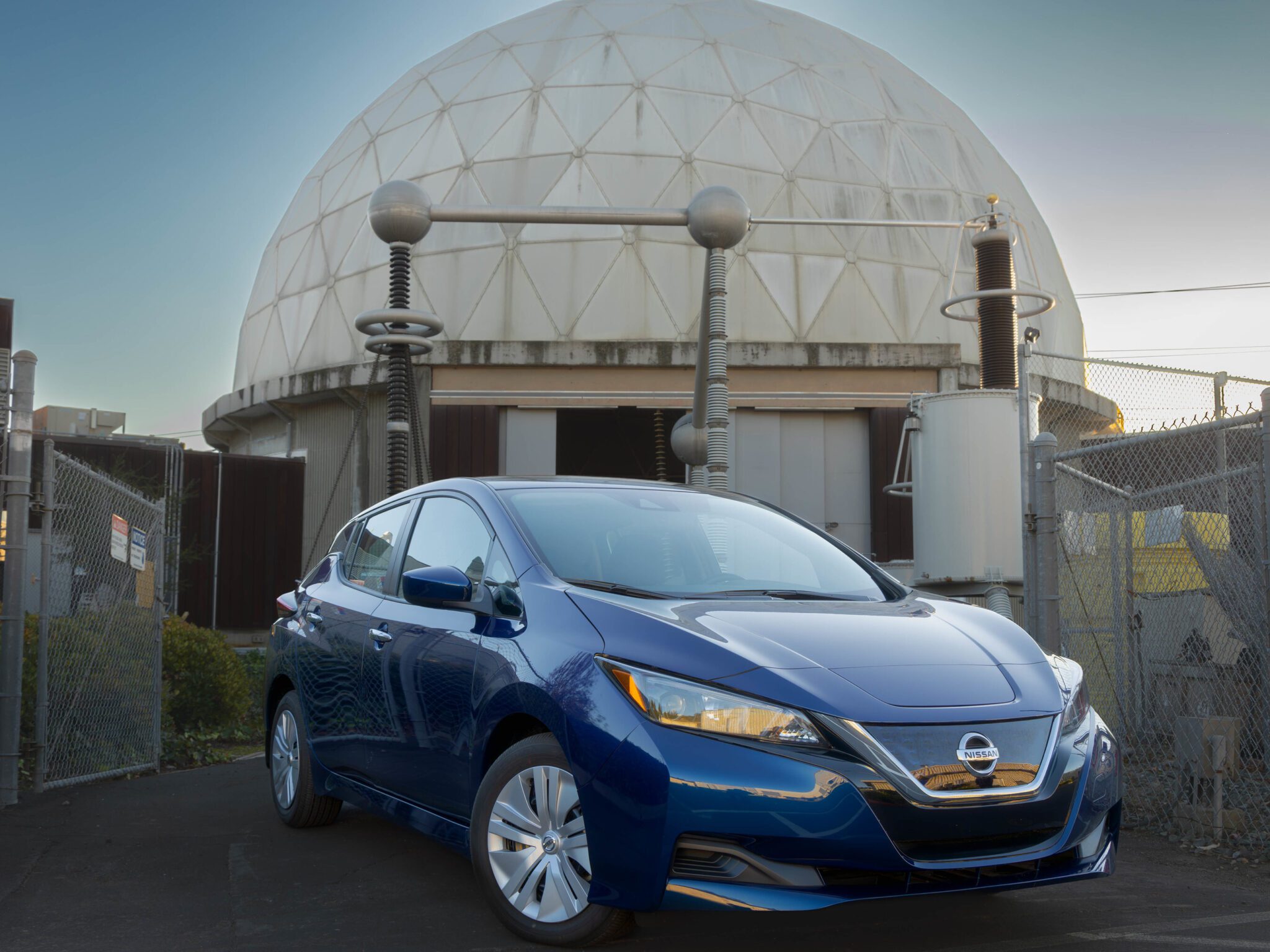
Vehicle-to-Grid Technology Enables Vehicles to Function as Backup Batteries When Installed Properly

Vehicle-to-grid technology allows electric vehicles to supply stored energy back to the power grid during peak demand periods. Proper installation is required to ensure safe and effective operation. This approach could support grid stability and reduce reliance on traditional power sources.

NA
1 source·Apr 12, 10:48 AM(24 days ago)·1m read
Vehicle-to-Grid Technology Enables Vehicles to Function as Backup Batteries When Installed Properlyautomotiveworld.com
Audio version
Tap play to generate a narrated version.

Vehicle-to-grid (V2G) technology enables electric vehicles to act as distributed energy storage systems. When connected to the grid, vehicles can discharge their batteries to provide power during times of high demand. This bidirectional energy flow helps balance electricity supply and demand.

The technology requires specific hardware and software in the vehicle and charging infrastructure. Proper installation ensures that the vehicle's battery is not overly depleted, preserving its lifespan and performance. Standards for V2G systems are being developed by industry groups and regulators to promote compatibility and safety.

the Power Grid V2G systems could integrate millions of electric vehicles into the grid as virtual power plants.

During peak hours, such as evenings when household energy use rises, vehicles can supply stored energy to prevent blackouts or reduce the need for fossil fuel-based peaker plants. This capability is particularly relevant as renewable energy sources like solar and wind become more prevalent, addressing their intermittent nature.

For vehicle owners, participation in V2G programs may offer financial incentives, such as payments for the energy provided to the grid.

However, challenges include ensuring cybersecurity for connected systems and managing the impact on daily driving ranges. Ongoing research focuses on optimizing these aspects to make V2G viable at scale.

of 2026, pilot programs for V2G are operating in several countries, testing the technology in real-world settings.

Utilities and automakers are collaborating to expand infrastructure, including smart chargers capable of handling bidirectional flows. Regulatory frameworks are evolving to support widespread adoption, with guidelines on energy metering and participant compensation. The integration of V2G could affect energy markets by increasing demand response options.


It may also influence electric vehicle adoption rates, as owners weigh the benefits of grid participation against potential battery wear. Further studies are needed to quantify long-term effects on vehicle durability and grid efficiency.

Key Facts

Vehicle-to-grid technology
enables bidirectional energy flow between vehicles and grid
Proper installation
required for safe battery discharge and grid integration
Backup batteries
vehicles serve as distributed energy storage during peak demand
Pilot programs
testing V2G in real-world applications worldwide

Story Timeline

2 events
  1. 2026

    Ongoing development of vehicle-to-grid technology standards and pilot programs.

    1 source@Nature
  2. Present

    Vehicle-to-grid systems enable electric vehicles to provide backup power to the grid.

    1 source@Nature

Potential Impact

  1. 01

    Renewable energy integration may improve with vehicle-based storage options.

  2. 02

    Electric vehicles could supply power to grids during peak demand periods.

  3. 03

    Battery management standards could evolve to address V2G usage effects.

  4. 04

    Vehicle owners might receive incentives for participating in energy programs.

Transparency Panel

Sources cross-referenced1
Framing risk0/100 (low)
Confidence score75%
Synthesized bySubstrate AI
Word count310 words
PublishedApr 12, 2026, 10:48 AM
Bias signals removed2 across 1 outlet
Signal Breakdown
Editorializing 1Speculative 1

Related Stories

science5 hrs agoUpdated

Trump Administration Shuts Down USDA Honeybee Research Lab

Researchers at a top USDA center assisted beekeepers facing honeybee die-offs last year. The Trump administration intends to shut the lab, prompting concerns it will slow responses to future bee deaths. Beekeepers and scientists have expressed worry over the closure.

Npr
FI
IN
AJ
Semafor
+1
6 sources
FDA Authorizes Glas E-Cigarettes With Age-Gating Technology, Including Fruit and Tobacco Flavorswashingtonpost.com
science7 hrs agoDeveloping

FDA Authorizes Glas E-Cigarettes With Age-Gating Technology, Including Fruit and Tobacco Flavors

The agency approved e-cigarettes in mango and blueberry flavors along with tobacco and menthol on May 6, 2026, citing the manufacturer’s age-gating technology. FDA Commissioner Marty Makary, who initially opposed the decision, said he was swayed by scientists’ assessment that the…

Stat
1 source
64 Million Cubic Metres of Rock Slide into Alaska’s Tracy Arm Fjord, Generating 481-Metre Wavewinnipegfreepress.com
science11 hrs agoUpdated

64 Million Cubic Metres of Rock Slide into Alaska’s Tracy Arm Fjord, Generating 481-Metre Wave

A 64-million-cubic-metre rock collapse into Tracy Arm Fjord produced the second-largest megatsunami on record. The 5.26 a.m. wave reached 481 metres and prompted several cruise operators to stop sending vessels into the area. Scientists attribute the event to long-term retreat of…

The Bbc
GB News
New Scientist
Cbc
Usa Today
+1
7 sources