world
Venezuela's Acting President Delcy Rodríguez Arrives at International Court of Justice in Guyana Border Dispute
Venezuela’s acting President Delcy Rodríguez traveled to The Hague to represent her country before the International Court of Justice. The case involves a long-running land dispute with Guyana over resource-rich territory. The hearing marks the latest step in the legal proceedings between the two nations.
May 10, 10:38 AM·2m read1 source
 foxnews.com
Audio version
Tap play to generate a narrated version.
Developing·Limited corroboration so far. This page will refresh as more sources emerge.
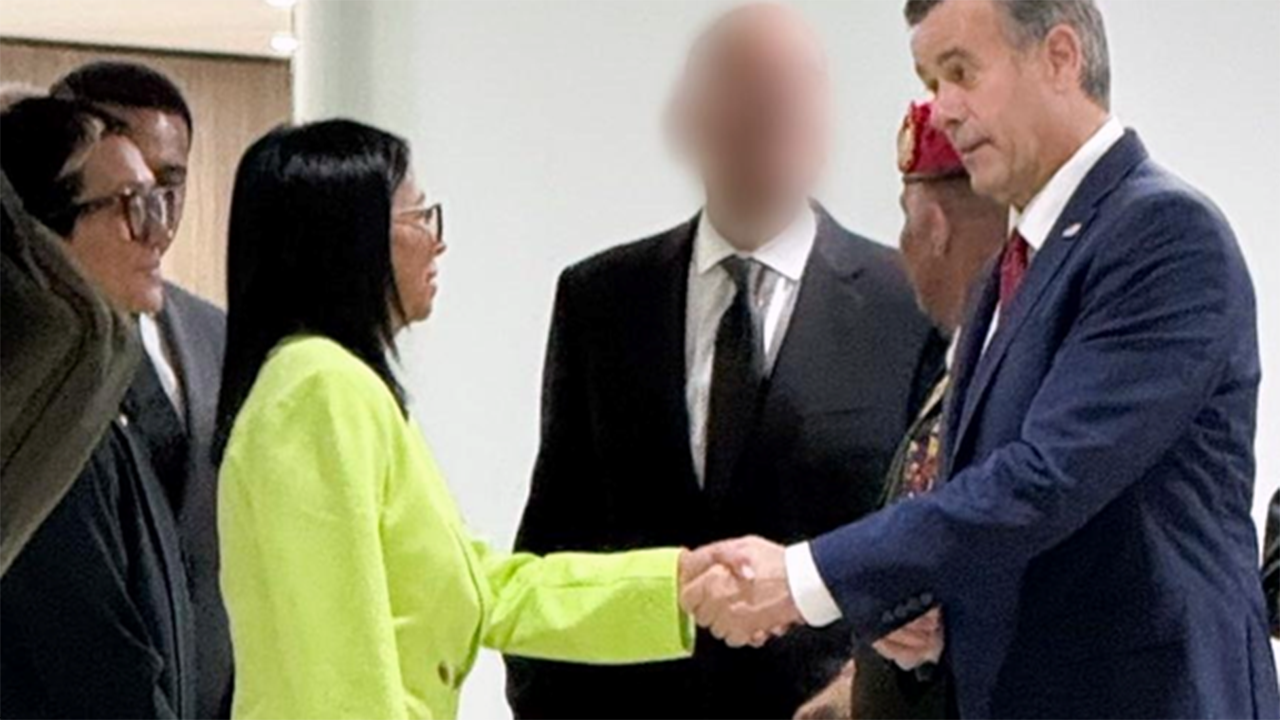
Venezuela’s acting President Delcy Rodríguez arrived at The Hague on Sunday to represent her country before the International Court of Justice in a territorial dispute with Guyana. The case centers on a region known as the Essequibo, which both countries claim.
The area is believed to hold significant oil and mineral resources. Venezuela maintains the border drawn in 1899 is invalid, while Guyana asks the court to affirm the existing boundary. Rodríguez is scheduled to address the court during oral arguments in the case.
The International Court of Justice began hearing the dispute in 2023 after Guyana filed an application in 2018 seeking a final ruling on the boundary. Tensions increased in recent years after major oil discoveries offshore in waters adjacent to the disputed land.
An international arbitration award in 1899 set the current line, which Guyana says remains binding. Venezuela has long argued the award was unfair and has claimed sovereignty over the western part of Essequibo. In 2018, Guyana asked the International Court of Justice to confirm the validity of the 1899 award and the resulting boundary.
Venezuela initially questioned the court’s jurisdiction but later participated in some proceedings. The court ruled in 2023 that it had jurisdiction to decide the merits of the case. Oral hearings on the substance of the dispute are now underway.
Rodríguez’s appearance at the court represents Venezuela’s formal presentation of its position. The acting president is expected to outline Venezuela’s historical and legal arguments during the hearings. Guyana has maintained that the dispute should be resolved through the judicial process at the International Court of Justice.