Substrate
politics

Venezuela’s Acting President Delcy Rodriguez to Appear at ICJ in Guyana Border Dispute

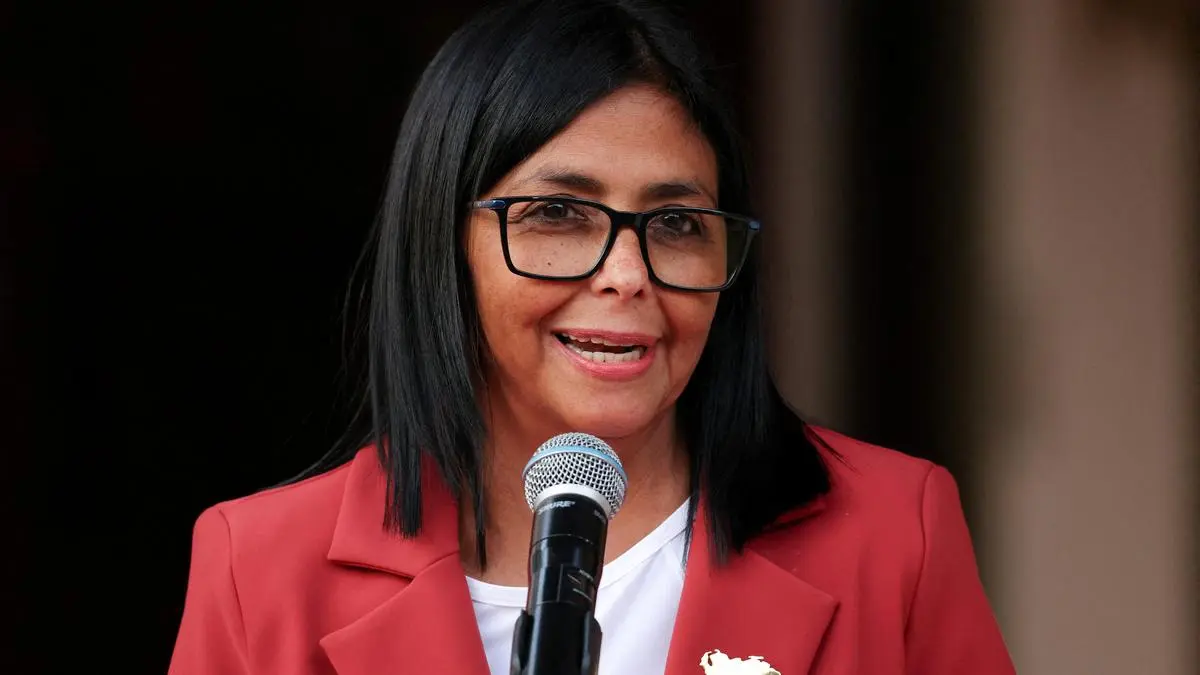
Delcy Rodriguez will attend International Court of Justice proceedings over the oil-rich Essequibo region for the first time since Nicolas Maduro's abduction by U.S. forces in January 2026. The trip, announced Saturday, comes as Rodriguez balances compliance with U.S. demands and loyalty to Chavismo. The case centers on the validity of a 1899 colonial border versus a 1966 agreement.

Al Jazeera
1 source·May 9, 7:48 PM(19 days ago)·2m read
|
Venezuela’s Acting President Delcy Rodriguez to Appear at ICJ in Guyana Border Disputethehindubusinessline.com
Audio version
Tap play to generate a narrated version.
Developing·Limited corroboration so far. This page will refresh as more sources emerge.

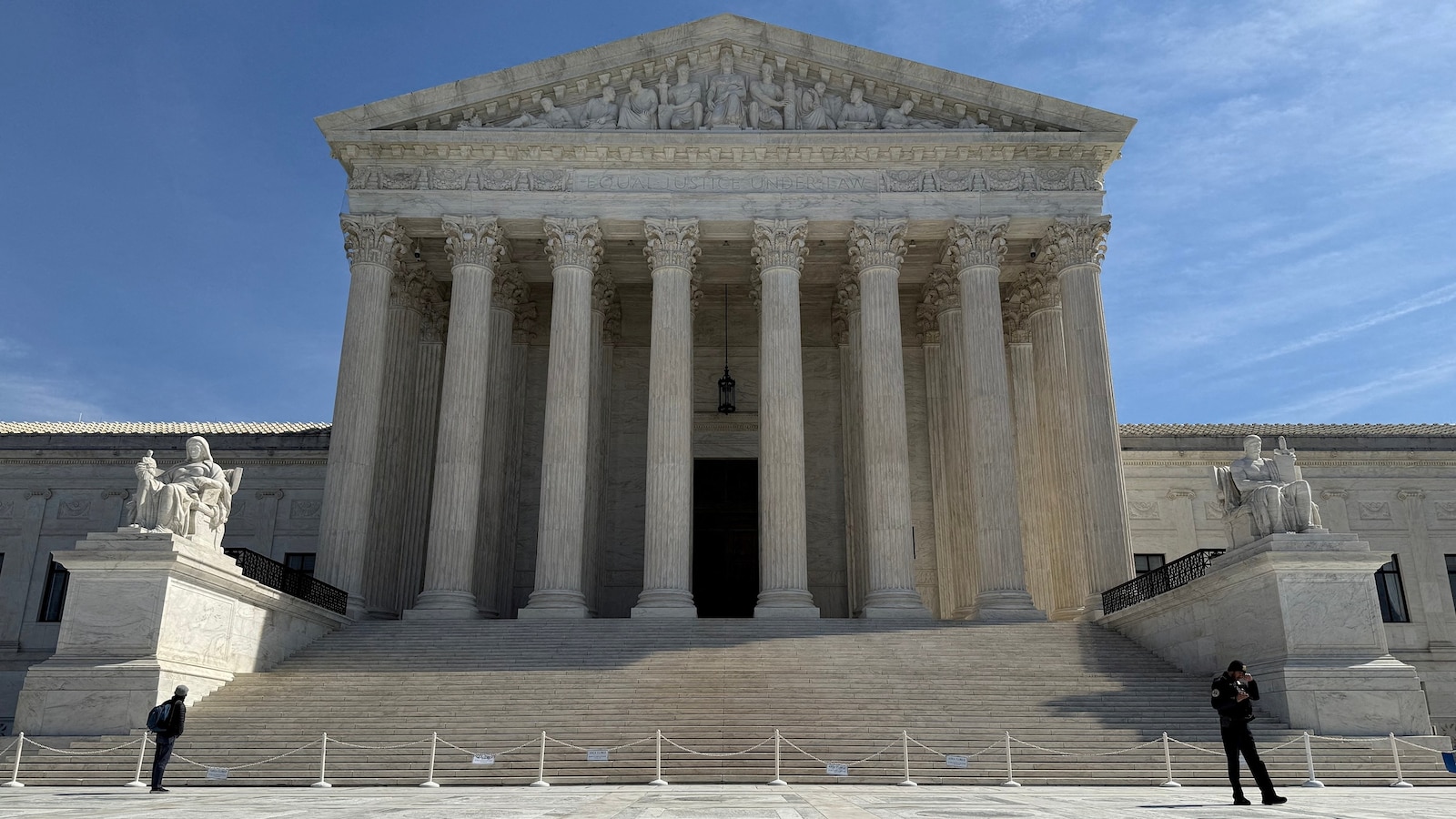
Venezuela’s acting President Delcy Rodriguez is heading to The Hague to defend her country’s position in a long-running land dispute with Guyana at the International Court of Justice. U.S. forces in January 2026.

“It has fallen to me to travel in the coming hours to defend our homeland,” Rodriguez said in a televised speech. The United Nations’ top civil court has already been hearing arguments in the Venezuela-Guyana case. The dispute centers on the oil-rich Essequibo region, which Venezuela claims even though it is currently administered by Guyana.

The sprawling territory accounts for two-thirds of Guyana’s current territory. ExxonMobil’s discovery of offshore oil deposits in Essequibo transformed the stakes. The find gave Guyana, a country with a population of less than a million, the largest per capita crude oil reserves in the world.

The ICJ case focuses on whether the border established in 1899 under British colonial rule should remain valid or whether the border should follow the 1966 document signed before Guyana’s independence. U.S. sanctions.

Those sanctions on Delcy Rodriguez were lifted when she became acting president. Officials attending ICJ proceedings are typically granted special legal protections.

U.S. Demands. Those include stopping oil deliveries to Cuba, opening Venezuela’s state-owned oil industry to foreign companies, and releasing political prisoners. At the same time she has sought to strike a careful balance with Venezuela’s influential internal security apparatus and military.
U.S. She has visited the nearby Caribbean islands of Grenada and Barbados. The journey to the Netherlands therefore represents only her second international foray since assuming the role of acting president.

U.S. forces occurred in January 2026. Rodriguez assumed leadership afterward while Maduro faces trial in the United States. Her emergence as acting president followed years of sanctions that were only removed once she took office.

Al Jazeera reported that the centuries-old dispute has taken on fresh urgency since the oil discovery. Venezuelan officials argue the 1899 border award was unfair while Guyana maintains the colonial-era line remains binding. Both sides have presented lengthy arguments before the ICJ in recent months.

Key Facts

Delcy Rodriguez travels to The Hague
First time leaving the Caribbean since Maduro's January 2026 abduction; attending ICJ case on Essequibo
Essequibo region dispute
Accounts for two-thirds of Guyana's territory; contains offshore oil deposits discovered by ExxonMobil giving Guyana largest per capita crude reserves
Core legal question at ICJ
Whether 1899 colonial border remains valid or 1966 pre-independence document should determine border

Story Timeline

4 events
  1. 2026-05-09

    Trip to The Hague announced on Saturday; Rodriguez states it has fallen to her to defend the homeland

    1 sourceAl Jazeera
  2. 2026-05-09

    Rodriguez departs for International Court of Justice hearings on Essequibo dispute

    1 sourceAl Jazeera
  3. 2026-01

    President Nicolas Maduro abducted by U.S. forces and flown to United States to stand trial

    1 sourceAl Jazeera
  4. Prior to 2026

    U.S. sanctions on Delcy Rodriguez lifted upon her becoming acting president

    1 sourceAl Jazeera

Potential Impact

  1. 01

    ICJ ruling on Essequibo could significantly affect Guyana's control of two-thirds of its territory and associated oil wealth

  2. 02

    Rodriguez's compliance with U.S. demands on oil, Cuba, and prisoners may ease diplomatic tensions but risks domestic military and security pushback

  3. 03

    Successful travel under ICJ protections may open path for further Rodriguez international engagements beyond Caribbean visits to Grenada and Barbados

Transparency Panel

Sources cross-referenced1
Confidence score65%
Synthesized bySubstrate AI
Word count340 words
PublishedMay 9, 2026, 7:48 PM
Bias signals removed2 across 2 outlets
Signal Breakdown
Loaded 2

Related Stories

Trump Meets Advisers to Decide on Iran Ceasefire ExtensionBBC News
politics59 min ago

Trump Meets Advisers to Decide on Iran Ceasefire Extension

President Trump said he is holding a Situation Room meeting to make a final decision on a possible deal with Iran. The proposed agreement would extend the ceasefire by 60 days and reopen the Strait of Hormuz.

Al Jazeera
JA
MA
AF
AJ
+6
11 sources
Trump to Decide on Iran Deal in Situation Room Meetingmiddleeasteye.net
politics59 min ago

Trump to Decide on Iran Deal in Situation Room Meeting

President Trump said Friday he is heading into the Situation Room to make a final determination on a potential agreement with Iran. The proposed deal would reopen the Strait of Hormuz without tolls and require destruction of Iran's highly-enriched uranium.

LI
Just the News
CBS News
3 sources
Vietnam Clears Graves for Trump Organization Project in Hung Yen Provincebenzinga.com
politics59 min ago

Vietnam Clears Graves for Trump Organization Project in Hung Yen Province

Farmers in Hung Yen province are exhuming family graves to make way for a $1.5 billion Trump Organization development that includes hotels, villas and a golf course. The project, approved last year, has drawn local resistance over compensation levels and relocation of remains.

The Independent
1 source