science
Water Quality Tests Help Assess Summer Swimming Risks
Public reports on bacteria levels in lakes, rivers and oceans can help swimmers gauge health risks. Scientists use indicator pathogens to detect fecal contamination in recreational waters.
May 20, 1:00 PM·1m read1 source
 Science News
Audio version
Tap play to generate a narrated version.
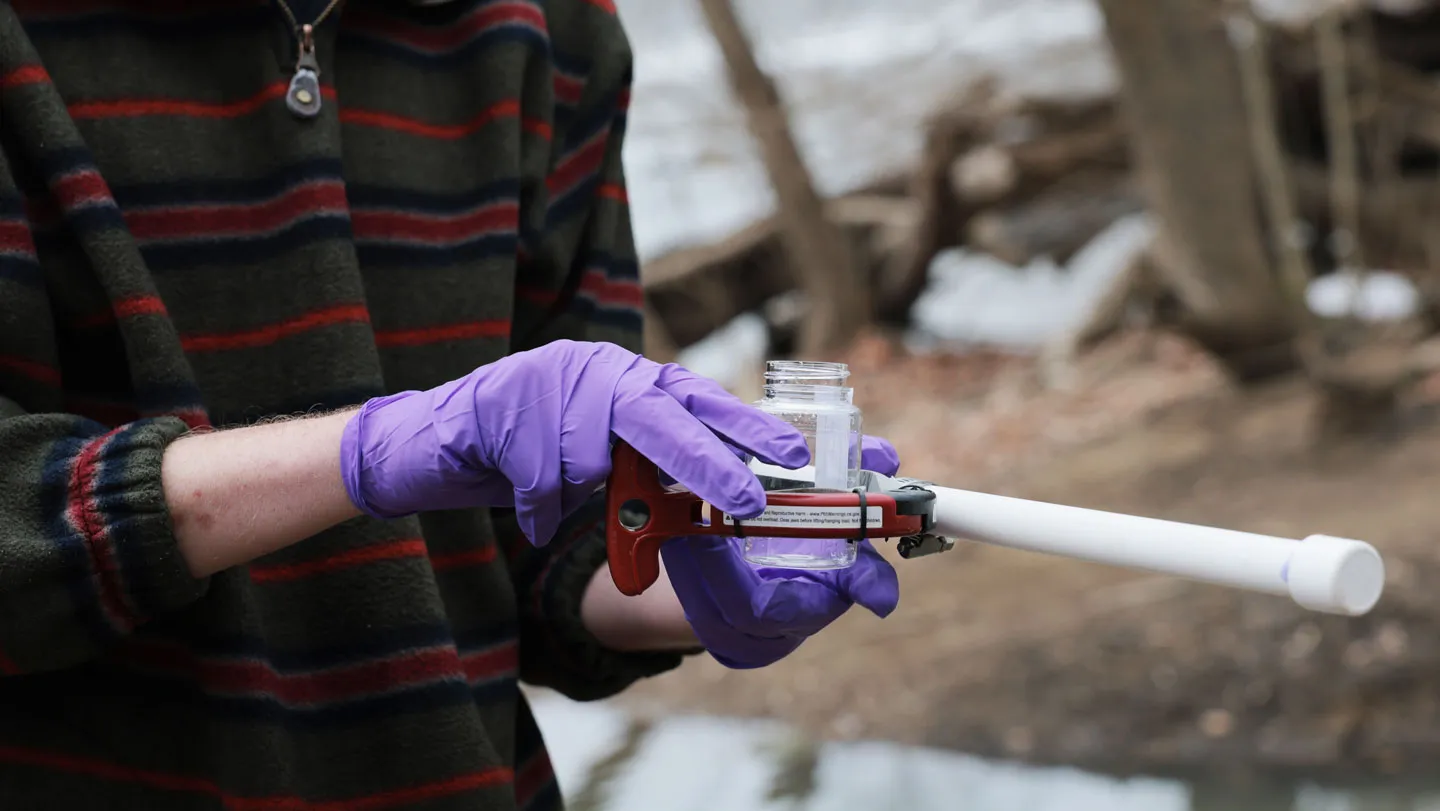
Public water quality reports can help swimmers evaluate the risk of illness from natural waterways. Scientists collect samples and test for bacteria linked to fecal contamination. A sewer line collapse in Maryland earlier this year spilled more than 360 Olympic-sized swimming pools’ worth of wastewater into the Potomac river just upstream of Washington, D.C. The incident may be the largest sewage spill in U.S. history.
In the United States, laboratories culture water samples and count specific bacteria types. They focus on Escherichia coli in freshwater and Enterococcus in saltwater because direct testing for all harmful microbes is too costly. An environmental microbiologist at the University of Arizona noted that E.
coli can die off before other harmful microbes, so low levels do not always mean water is safe. Conventional tests also cannot distinguish between human and animal waste sources. A 2024 study tested an alternative DNA-based method at 18 harbors worldwide.
Researchers detected fecal pollution in 46 percent of samples, while only 18 percent exceeded conventional indicator standards.
States issue advisories when bacteria counts exceed set limits.
In Wisconsin, officials post beach advisories when E. coli exceeds 235 colony forming units per 100 milliliters of water. At that concentration, the EPA estimates that 36 out of 1,000 swimmers may get sick. After the Maryland spill, the Potomac River reached E.
coli levels nearly 12,000 times the safe recreational standard. The EPA announced on May 6 that the river’s recovery goals had been met. Officials recommend avoiding water for at least 24 hours after light rainfall and 48 hours after heavy rain. Cloudy water and algae can signal potential pollution.
Swimmers should avoid submerging their head if water quality is uncertain.