world
Waymo Announces Autonomous Vehicle Tests in London
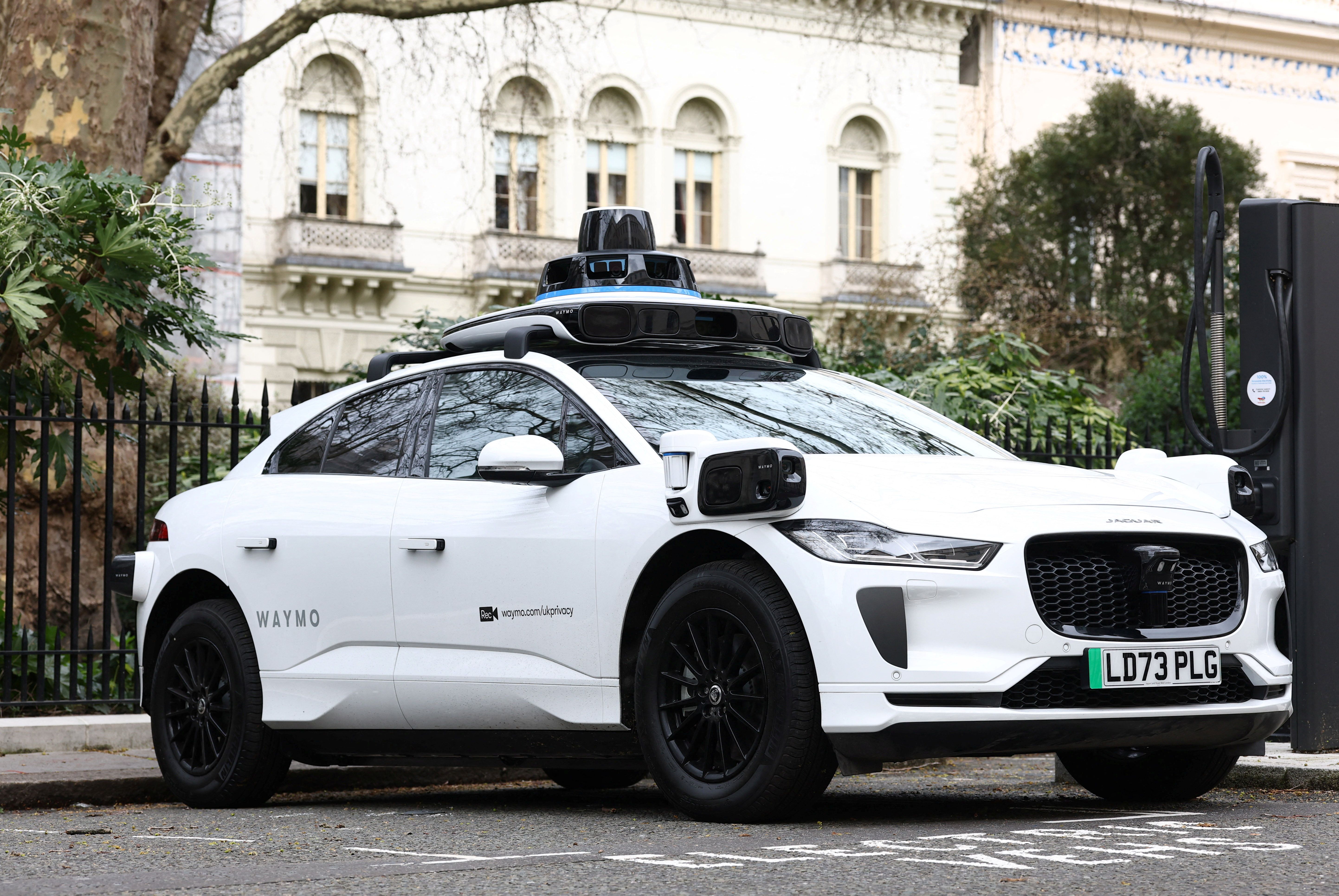
Waymo has begun testing its autonomous vehicles in London, marking the company's first such trials in the city. The tests address challenges posed by London's narrow and winding streets, differing from the grid-based layouts in U.S. cities where Waymo previously launched. A full customer service could launch this year if tests succeed and regulators approve.
Apr 15, 8:02 AM·1m read1 source
 Semafor
Audio version
Tap play to generate a narrated version.
Waymo, a robotaxi firm, announced the start of autonomous vehicle tests in London on April 15, 2026. U.K. capital. The tests involve vehicles navigating the city's unique urban environment. London's streets feature medieval layouts with narrow and winding paths.
U.S. cities where Waymo has previously conducted operations and launches. The differences present distinct challenges for autonomous driving systems.
co-founder stated that the company's core driving AI is generalizing well to these new conditions.
The AI must adapt to London's complex road structures to ensure safe operation. Successful adaptation could enable broader deployment in varied global settings. The tests aim to evaluate the vehicles' performance in real-world scenarios.
Data from these trials will inform adjustments to the technology. U.K. will review the results as part of any approval process.
the tests proceed successfully and receive regulatory approval, Waymo plans to launch a full customer service in London this year.
Such a service would allow public access to autonomous rides. U.S. markets. The development reflects growing interest in autonomous transportation worldwide. Companies are investing in self-driving technology to enhance mobility options.
London's transport infrastructure could benefit from reduced congestion and improved efficiency if implemented.
Elsewhere, Uber announced plans to purchase 35,000 autonomous electric vehicles from Lucid to expand its global fleet.
The company also intends to acquire 50,000 models from Rivian by 2031. These moves support Uber's strategy to integrate more autonomous vehicles. Uber is currently testing robotaxis in Los Angeles. The tests seek to strengthen its position in the autonomous ride-hailing sector.