Weak Tropical Storm Amanda Forms Far Offshore as First Cyclone of 2026 Pacific Season
The National Hurricane Center reported that Tropical Storm Amanda formed on June 3, 2026, about 1,475 miles west-southwest of Mexico's Baja California peninsula with 40 mph winds.
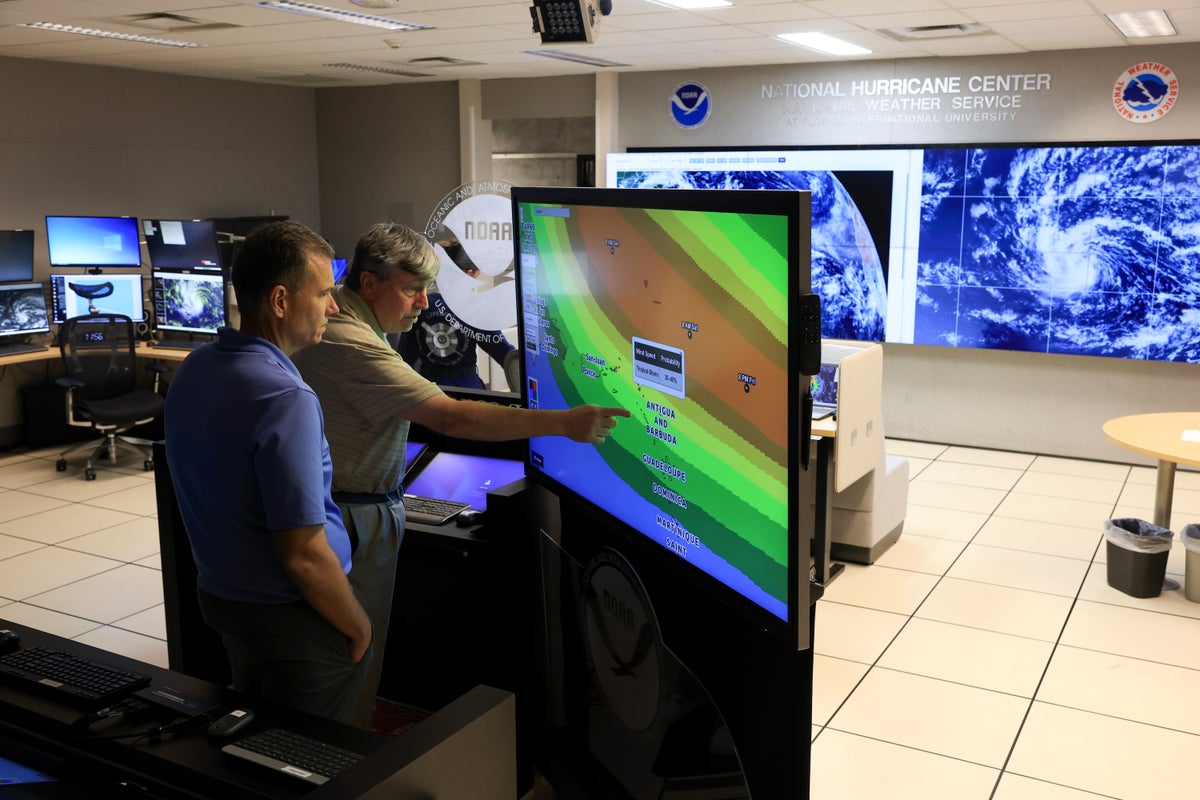 The Independent
Tropical Storm Amanda formed on Wednesday, June 3, 2026, becoming the first tropical cyclone of the 2026 Pacific hurricane season, the National Hurricane Center said. The storm's center was located about 1,475 miles (2,375 kilometers) west-southwest of Mexico's Baja California peninsula and posed no immediate threat to land. Amanda had maximum sustained winds of 40 mph (65 kph).
Meteorologists predicted the storm would strengthen over the next few days before weakening by the weekend. The Atlantic hurricane season started June 1, 2026, and no cyclones had formed in that basin as of June 3.
The National Oceanic and Atmospheric Administration forecast this year's Atlantic season to be calmer than normal while the eastern Pacific season is expected to have above-normal activity. A seasonal climate pattern known as El Niño can suppress hurricane development over the Atlantic Ocean and increase those conditions over the Pacific.
An especially strong "super" El Niño has contributed to a 70 percent chance of above-normal activity in the eastern Pacific, according to NOAA.
The 2025 Atlantic hurricane season officially concluded on November 30, 2025. No hurricane made landfall in the United States during that season.
U.S. This season, and that was a much-needed break," stated Neil Jacobs, under secretary of commerce for oceans and atmosphere and NOAA administrator. com. Boris is the name that follows Amanda on the list of names for the 2026 Pacific season.
Transparency
4 independent outlets report the same core facts. This score blends how many outlets corroborate, their editorial tier, and how closely their facts agree — it measures corroboration, not proof.
Story details
Related Stories
 Forbes
NASA Retires MAVEN After 11 Years of Mars Atmosphere Discoveries Following Unrecoverable Anomaly
The agency confirmed Wednesday that the orbiter, launched in 2013, is beyond recovery following a fast spin that drained its batteries. MAVEN completed more than a decade of atmospheric observations at Mars.
 tass.com
Trump Budget Reduces CDC Wastewater Surveillance Funding From $125M to $25M Annually
President Donald Trump's budget plan reduces annual funding for the CDC's National Wastewater Surveillance System from $125 million to $25 million, limiting national coverage after September 30, 2026.