world
Weekly News Program Discusses Geopolitical Value of Strait of Hormuz
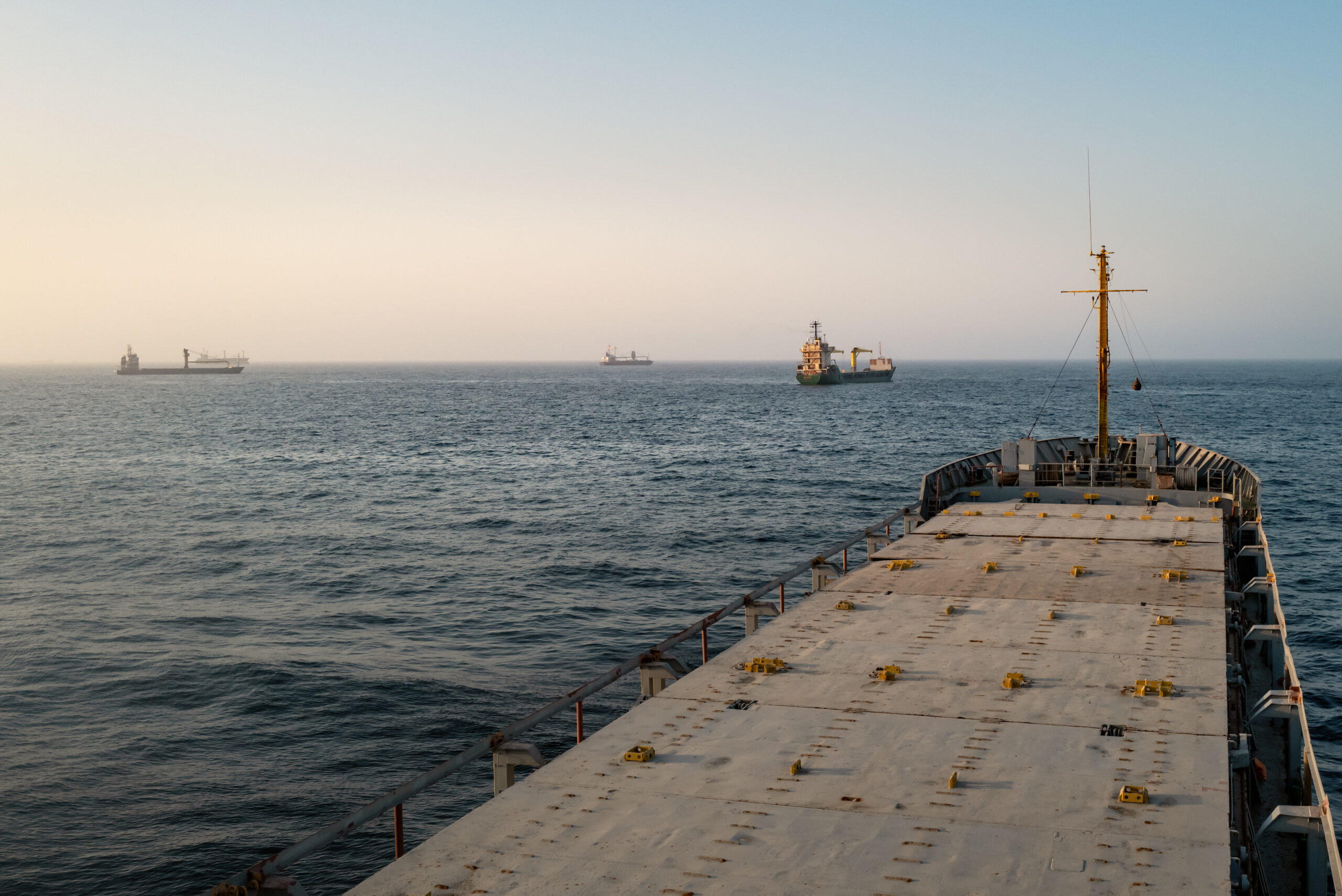
A weekly news program features a discussion on whether the Strait of Hormuz holds greater strategic value than a nuclear weapon. The host introduces the topic and plans to interview reporters about recent coverage. The segment aims to explore current news developments.
Apr 12, 10:47 AM·1m read1 source
 Substrate placeholder — needs review
Audio version
Tap play to generate a narrated version.
A weekly news program addressed the strategic importance of the Strait of Hormuz in comparison to nuclear weapons. This discussion occurred as part of ongoing coverage of international security issues.
The program, structured as a weekly review, provides opportunities for hosts to engage with reporters. It focuses on analyzing recent news stories and their implications. Viewers receive insights into reporting processes and key events.
In the introduction, the host welcomed the audience and outlined the format. The segment includes conversations about the latest news coverage. Reporters share details on their work related to global affairs.
The program's comparison highlights tensions in regions with overlapping strategic interests.
programs like this one aim to deepen public understanding of complex issues.
By interviewing reporters, they offer behind-the-scenes perspectives on news gathering. Such formats help contextualize events for broader audiences. The discussion underscores the interplay between geography and military assets.
Stakeholders in international relations monitor developments in key waterways. Future segments may cover related updates from ongoing global events.