world
West Coast Coastal Towns Face Challenges in Funding Tsunami Shelters
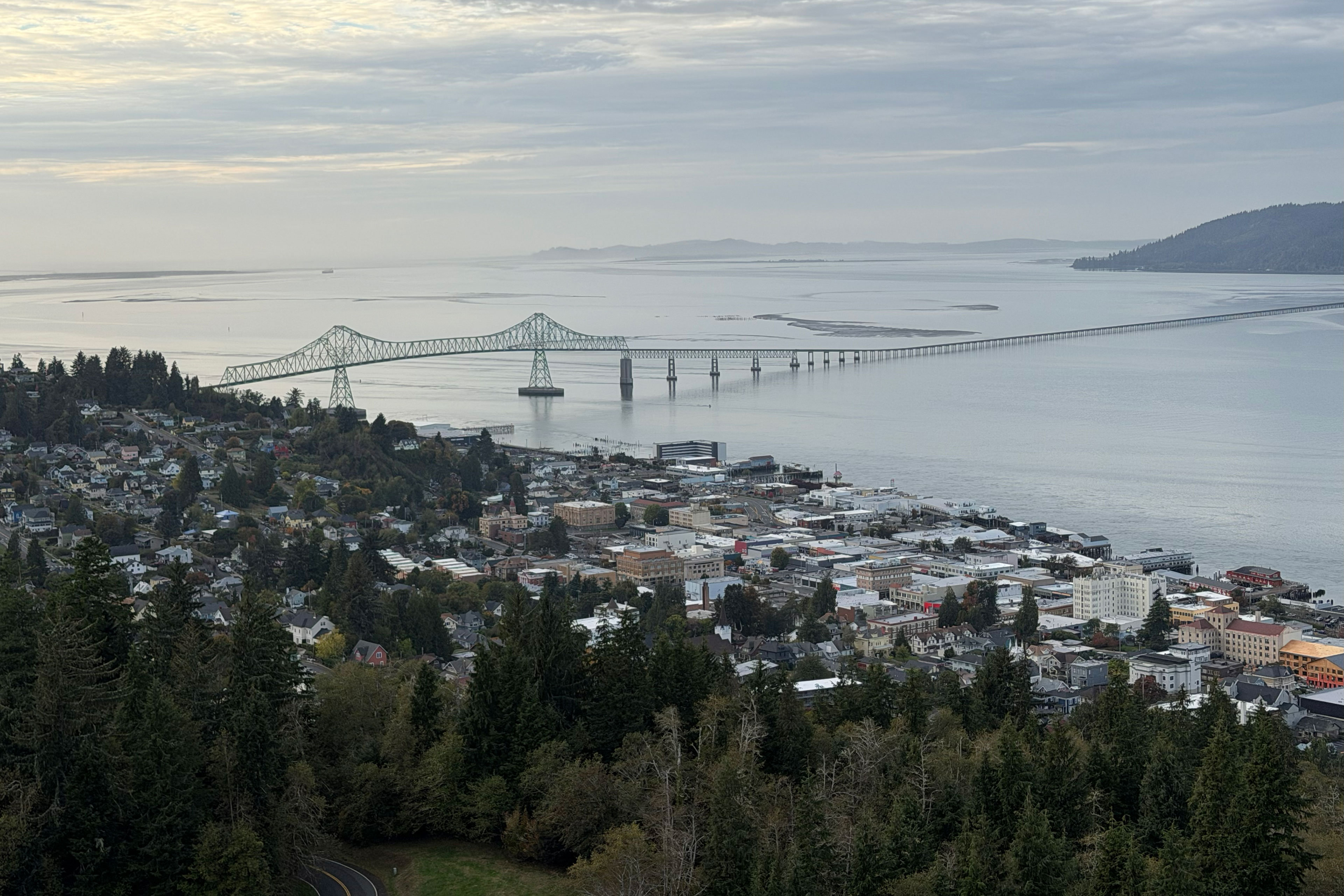
Coastal towns along the West Coast lack resources to construct tsunami shelters for protection against surging waves. These structures aim to safeguard homes and residents in tsunami-prone areas. The situation highlights ongoing efforts to address natural disaster risks in vulnerable communities.
 khn.org
Audio version
Tap play to generate a narrated version.
Coastal towns along the West Coast are encountering financial constraints in building tsunami shelters. These shelters are designed to protect residents and homes from surging waves during tsunamis. The New York Times reported on the challenges faced by these communities in preparing for such events.
Tsunamis pose significant risks to coastal areas, particularly in regions near tectonic plate boundaries like the Pacific Northwest. Historical events, such as the 2011 Japan tsunami, have demonstrated the destructive potential of these waves. Local governments in states including Washington, Oregon, and California have identified the need for elevated or reinforced shelters to provide safe havens during evacuations.
Many small towns rely on limited budgets from local taxes and state grants, which often prioritize other infrastructure needs.
Construction costs for a single tsunami shelter can exceed several million dollars, depending on location and design specifications. The New York Times reported that without additional federal funding, these towns may delay or forgo such projects, leaving populations exposed to potential hazards.
Residents in these areas, numbering in the tens of thousands across affected towns, face heightened vulnerability.
For instance, communities near the Cascadia Subduction Zone could experience tsunamis from a major earthquake, affecting daily life, property, and emergency response capabilities. Officials have noted that current evacuation plans, while in place, may not suffice without physical shelters in remote or low-lying areas.
Federal agencies, including FEMA, provide guidelines for disaster preparedness but funding remains competitive.
Some towns have sought partnerships with nonprofits or applied for disaster mitigation grants. The New York Times reported that experts emphasize the urgency of these measures given increasing seismic activity monitoring in the region. Looking ahead, legislative proposals at the state level aim to allocate more resources for coastal resilience.


