politics
White House Asks HHS Secretary to Limit Public Vaccine Skepticism
Health and Human Services Secretary Robert F. Kennedy Jr. was asked by the White House to reduce public statements questioning vaccines ahead of the midterms. The secretary is still directing a multi-agency review of vaccine science that focuses on unproven theories linking vaccines to chronic disease and autism.
May 12, 2:41 PM·2m read1 source
 The Independent
Audio version
Tap play to generate a narrated version.
Developing·Limited corroboration so far. This page will refresh as more sources emerge.
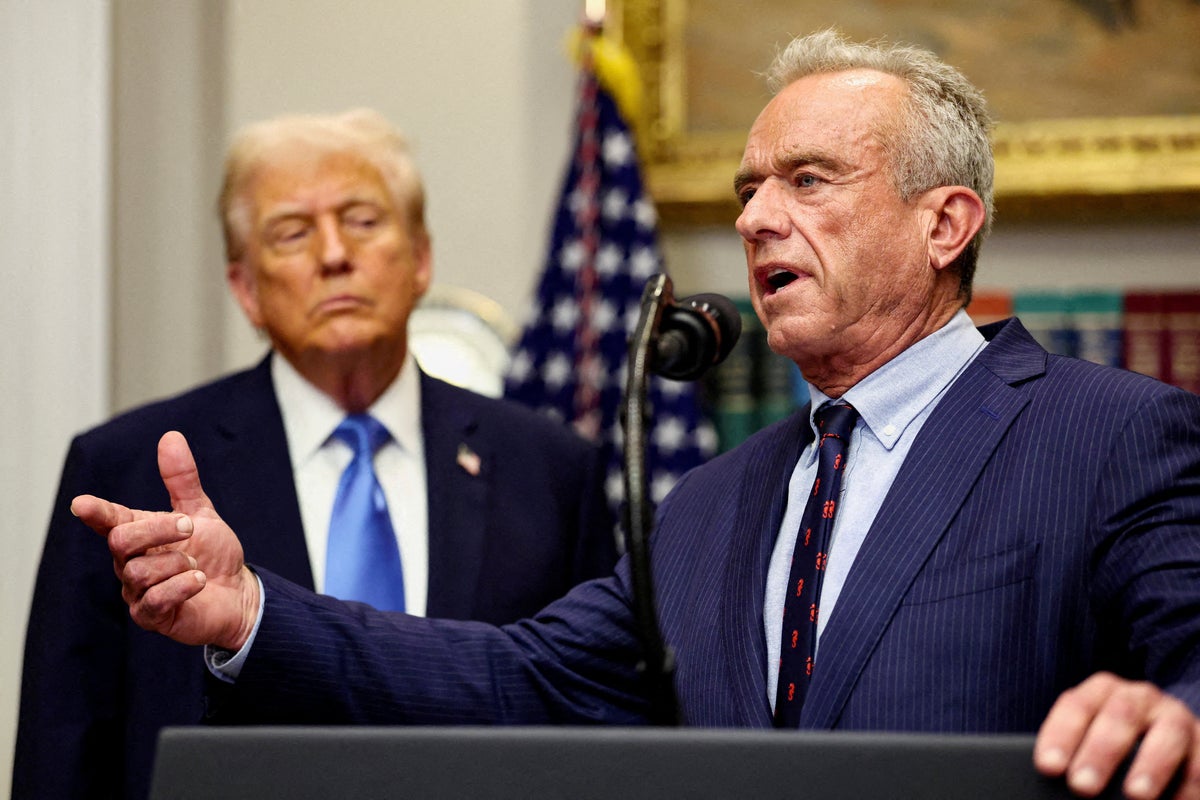
The White House has asked Health and Human Services Secretary Robert F. Kennedy Jr. to tone down his public statements questioning vaccines ahead of the midterms, according to a report. Kennedy continues to lead a wide-ranging review of vaccine science across multiple federal agencies behind the scenes.
The review will examine Kennedy’s theories that vaccines cause chronic disease and may be linked to autism. These theories remain unproven by established scientific consensus.
The review is being led by Martin Kulldorff, a biostatistician. Details about the scope and timeline of the review remain limited. Dr. Daniel Jernigan, who oversaw vaccine safety at the CDC until he resigned in August, told The New York Times that the review appears aimed at supporting conclusions Kennedy has already reached.
“It just demonstrates that no matter what the general tone is about vaccines, whether we talk about them or not, the secretary is going to continue to try and look at the data and analyze it in a way that will help support the conclusions that he’s already made,” Jernigan said.
” Under Kennedy, the government has reduced the number of recommended childhood vaccines, removed members of a key vaccine advisory board, replaced the CDC director and suggested a link between vaccines and autism. These actions lack support from large-scale scientific evidence.
The changes have drawn support from some members of the Make America Healthy Again movement. However, they could create political challenges for Republicans in the upcoming midterms. An administration official told The Washington Post in February that vaccines are not popular issues to discuss, citing internal polling.