Substrate
science

WHO/ILO: 18,960 Non-Melanoma Skin Cancer Deaths in 2019 Attributed to Occupational Sun Exposure

Joint WHO and ILO estimates show 1.6 billion working-age people, or 28 percent of the global total, were exposed to solar ultraviolet radiation at work in 2019. The research links this exposure to 18960 non-melanoma skin cancer deaths that year across 183 countries. The organizations also launched the SunSmart Global UV App to help protect outdoor workers.

WH
1 source·May 7, 10:00 PM(2 hrs ago)·2m read
|
WHO/ILO: 18,960 Non-Melanoma Skin Cancer Deaths in 2019 Attributed to Occupational Sun Exposurenews.sky.com
Audio version
Tap play to generate a narrated version.
Developing·Limited corroboration so far. This page will refresh as more sources emerge.

Nearly 19000 people in 183 countries died from non-melanoma skin cancer in 2019 due to having worked outdoors in the sun, according to joint estimates by the World Health Organization and the International Labour Organization published in the journal Environment International.

6 billion people of working age, defined as 15 years or older, were exposed to solar ultraviolet radiation while working outdoors that year. This figure represented 28 percent of all working-age people and was estimated using 166 million data points from 763 surveys covering 96 countries and areas across all six WHO regions, with data collected between 1 January 1996 and 31 December 2021.

Of those 18960 deaths, 65 percent were male. Nearly 1 in 3 deaths from non-melanoma skin cancer is caused by working under the sun. Occupational exposure to solar ultraviolet radiation is the work-related risk factor with the third highest attributable burden of cancer deaths globally.

Skin cancer deaths attributable to occupational exposure to sunlight increased by 88 percent from 10088 deaths in 2000 to 18960 deaths in 2019. Occupational exposure to solar ultraviolet radiation is associated with an estimated 60 percent increased risk of developing non-melanoma skin cancer.

That risk estimate came from a WHO report of a systematic review and meta-analysis based on a pooled analysis of 25 case-control studies involving 286131 participants living in 22 countries across three WHO regions.

"Unprotected exposure to solar ultraviolet radiation at work is a major cause of occupational skin cancer," said Dr Tedros Adhanom Ghebreyesus. " "A safe and healthy working environment is a fundamental right at work," said Gilbert F. Houngbo.
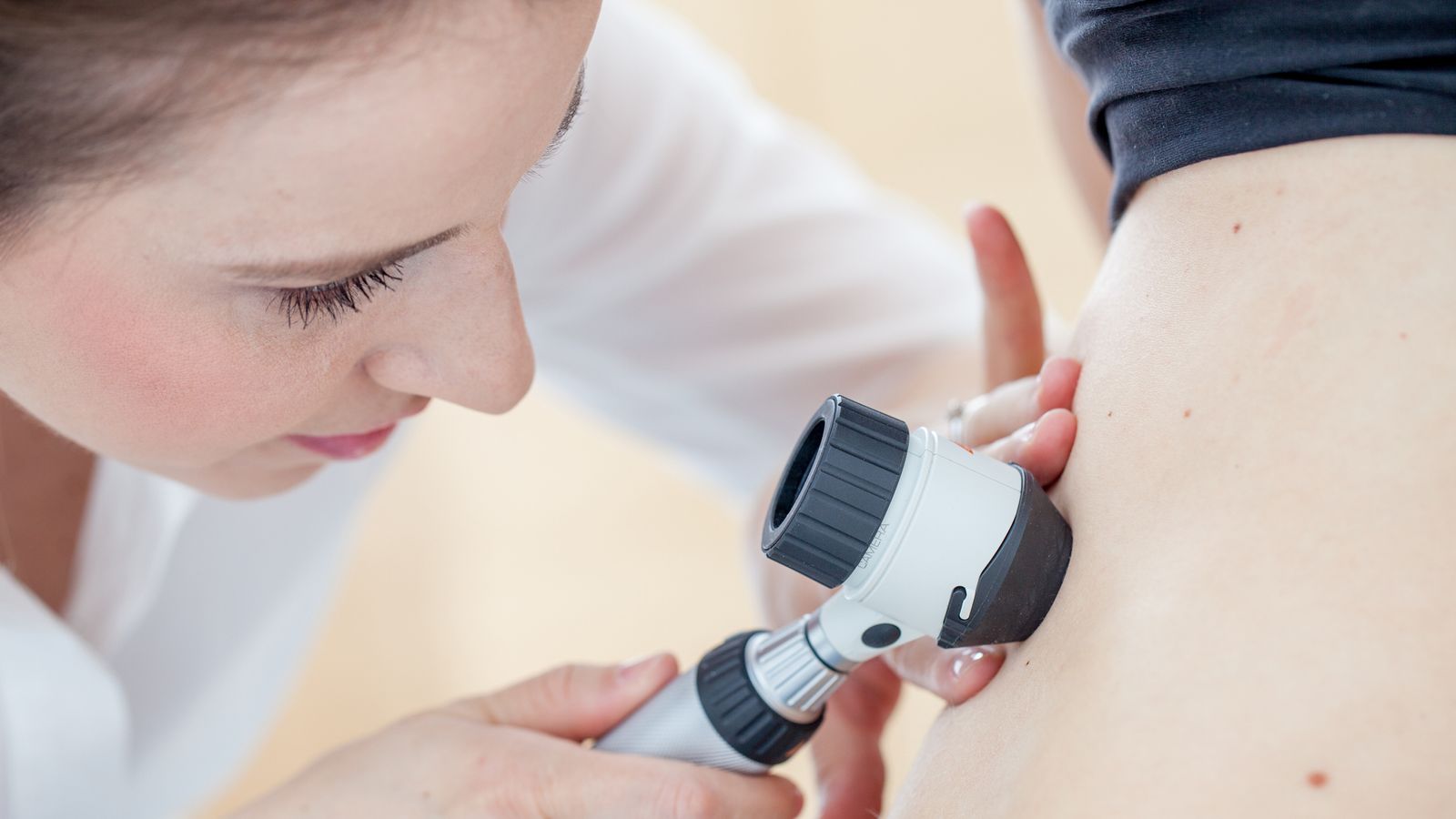
Non-melanoma skin cancer refers to a group of cancers that develop in the upper layers of the skin. The two main subtypes are basal cell carcinoma and squamous cell carcinoma. The term "working age" typically refers to the minimum age at which a person is legally permitted to work in a particular jurisdiction, which in many countries is 15 years.

As skin cancer develops after years or even decades of exposure, protection must begin from young working age. Governments should establish policies providing shade, shifting working hours away from solar noon, education, training, sunscreen and protective clothing such as broad-brimmed hats, long-sleeved shirts and long trousers when the ultraviolet index is 3 or higher.

WHO, ILO, the World Meteorological Organization and the United Nations Environment Programme launched the SunSmart Global UV App that outdoor workers can use to estimate their exposure to solar ultraviolet radiation.

Additional measures include raising awareness of when occupational exposure occurs and that it causes skin cancer, along with services to detect early signs.

Key Facts

1.6 billion people of working age exposed to solar UV radiat
This represented 28% of all working-age people according to estimates based on 166 million data points from 763 surveys across all six WHO regions.
18960 people died from non-melanoma skin cancer due to occup
Deaths rose 88% from 10088 in 2000; 65% of 2019 deaths were male and nearly 1 in 3 non-melanoma skin cancer deaths globally are work-related.
Occupational UV exposure linked to 60% increased risk of non
Based on pooled analysis of 25 case-control studies with 286131 participants in 22 countries.

Story Timeline

5 events
  1. 2026-05-08

    Joint WHO and ILO research on occupational UV exposure and non-melanoma skin cancer deaths published in Environment International

    1 source@WHO
  2. 2026-05-08

    WHO, ILO, WMO and UNEP launch the SunSmart Global UV App

    1 source@WHO
  3. 2019

    1.6 billion working-age people exposed to solar UV at work; 18960 non-melanoma skin cancer deaths attributed to occupational exposure

    1 source@WHO
  4. 2000

    10088 skin cancer deaths attributed to occupational sunlight exposure

    1 source@WHO
  5. 1996-2021

    Exposure survey data collected for the estimates

    1 source@WHO

Potential Impact

  1. 01

    SunSmart Global UV App provides outdoor workers with real-time exposure estimates to support prevention

  2. 02

    Governments urged to implement shade, work-hour shifts, protective clothing and sunscreen policies when UV index is 3 or higher

  3. 03

    Increased early detection programs and worker education on UV risks could reduce future occupational skin cancer deaths

Transparency Panel

Sources cross-referenced1
Confidence score75%
Synthesized bySubstrate AI
Word count433 words
PublishedMay 7, 2026, 10:00 PM
Bias signals removed2 across 2 outlets
Signal Breakdown
Loaded 2

Related Stories

White House Task Force Recommends FEMA Respond to Fewer Disasterscnet.com
science36 min agoUpdated

White House Task Force Recommends FEMA Respond to Fewer Disasters

A White House task force has recommended that the Federal Emergency Management Agency respond to fewer natural disasters. The panel also called for measures to speed up the delivery of disaster aid. Some of the proposals would require congressional approval to take effect.

The New York Times
govexec.com
The Independent
The Washington Times
CBS News
5 sources
Trump Administration Announces Projected Savings From Drug Pricing AgreementsStat
science2 hrs agoDeveloping

Trump Administration Announces Projected Savings From Drug Pricing Agreements

The Trump administration is touting massive projected savings from still-secret drug pricing deals even as outside experts question how independently verifiable the figures are. STAT reported on the claims alongside fresh accusations of political interference at the FDA, which wi…

Stat
1 source
Is There a Cure for Hantavirus? Every Treatment on the Table, From Ivermectin to Vaccines.Substrate placeholder — needs review
science11 hrs agoSourced

Is There a Cure for Hantavirus? Every Treatment on the Table, From Ivermectin to Vaccines.

No antiviral or vaccine for hantavirus is approved by the FDA. Some drugs work in vitro but fail in human trials. Ivermectin and hydroxychloroquine — the two most-asked-about repurposed drugs — have zero published research against hantavirus. Here is what every candidate, includi…

Indian Journal of Pharmacology
PubMed
Antiviral Research
10 sources