Unbiased AI-powered news
The World Health Organization launched the second edition of its SHAKE the salt habit package during Salt Awareness Week 2026. Global average sodium consumption exceeds twice the recommended limit and contributed to 1.7 million deaths in 2023. The update emphasizes mandatory government policies as countries remain off track for a 30% reduction by 2030.
theverge.comThe World Health Organization released the second edition of its SHAKE the salt habit technical package today during Salt Awareness Week 2026. The updated resource aims to accelerate national efforts to reduce high salt consumption, which remains a major global health threat.
Global average sodium intake is estimated to be more than twice the WHO recommended limit of 2000 mg per day, equivalent to less than 5 g per day of salt.
7 million deaths in 2023 and is a leading dietary risk factor for hypertension and cardiovascular disease globally. Most people worldwide have high sodium intake and live in environments that lead to excessive consumption. High levels of sodium are embedded in processed, packaged foods and often street food.
The world remains off track to meet the global sodium reduction target of 30% by 2030. Currently, 28% of the world population live in countries with mandatory sodium reduction policies. Dr Luz Maria De Regil, Director of the Department of Nutrition and Food Safety at WHO, said excess salt consumption remains among the top preventable drivers of death globally.
She stated that implementing mandatory policies to reduce sodium intake is one of the most cost-effective actions countries can take to protect people from cardiovascular disease.
““With the updated SHAKE the salt habit, WHO is equipping countries with practical, evidence-based tools to take decisive, government-led action and prevent millions of deaths each year.””
“— Dr Luz Maria De Regil, Director of the Department of Nutrition and Food Safety at WHO The updated SHAKE package places strong emphasis on mandatory, government-led approaches and a structured programme model. It organizes interventions into Surveillance, Harness industry, Adopt standards for labelling and marketing, Knowledge and Environment. The package includes guidance on managing conflicts of interest with the food industry and states that the industry should not set public health policy. It provides measures for food reformulation which sets maximum limits or targets for the sodium content of pre-packaged foods. Front-of-pack labelling offers interpretive information about sodium content alongside mandatory declaration. Food procurement and service policies limit high-sodium foods in public settings, while food marketing restriction policies aim to protect children. The package also covers taxation of unhealthy food, behaviour change communication and mass media campaigns, and lower-sodium salt substitutes to replace regular table salt in appropriate settings. Xi Yin, Coordinator of the Health Promotion and Policy unit and Acting Lead for the Nutrition and Food Safety unit in the Division of Health Promotion, Disease Prevention and Control of the WHO Regional Office for the Western Pacific, said the second edition of SHAKE offers a practical menu of measures that countries can readily apply.”
““The second edition of SHAKE offers a practical menu of measures that countries can readily apply, with clear, step-by-step guidance, and strong opportunities to scale up mandatory approaches to reduce persistently high salt intake across the region.””
“— Xi Yin, Coordinator, Health Promotion and Policy unit, WHO Regional Office for the Western Pacific Several countries in the Western Pacific Region have drawn on SHAKE to inform their salt reduction efforts, grounded in country-specific data and experience. Xi Yin said more countries are expected to follow their lead. @WHO reported that the updated package responds to the urgent need for stronger government action to protect public health. It brings together the latest WHO guidelines and best buys interventions for the prevention and control of noncommunicable diseases. WHO urges policy-makers to commit to bold action with national sodium reduction goals and develop comprehensive programmes. These programmes should include policies and interventions that transform food environments so that reducing salt intake becomes achievable.”
Single source — no framing comparison available.
Eleven Democratic senators sent a letter to President Trump and Health and Human Services Secretary Robert F. Kennedy Jr. questioning the accuracy of information and data handling on the federal pregnancy-resource website launched on Mother’s Day.
France 24A stationary high-pressure system has created a heat dome over Europe, with temperatures forecast to reach 39 degrees Celsius in the UK and 40 degrees Celsius elsewhere. France has placed half the country under red alert while organizers cancel sessions at London Climate Action W…
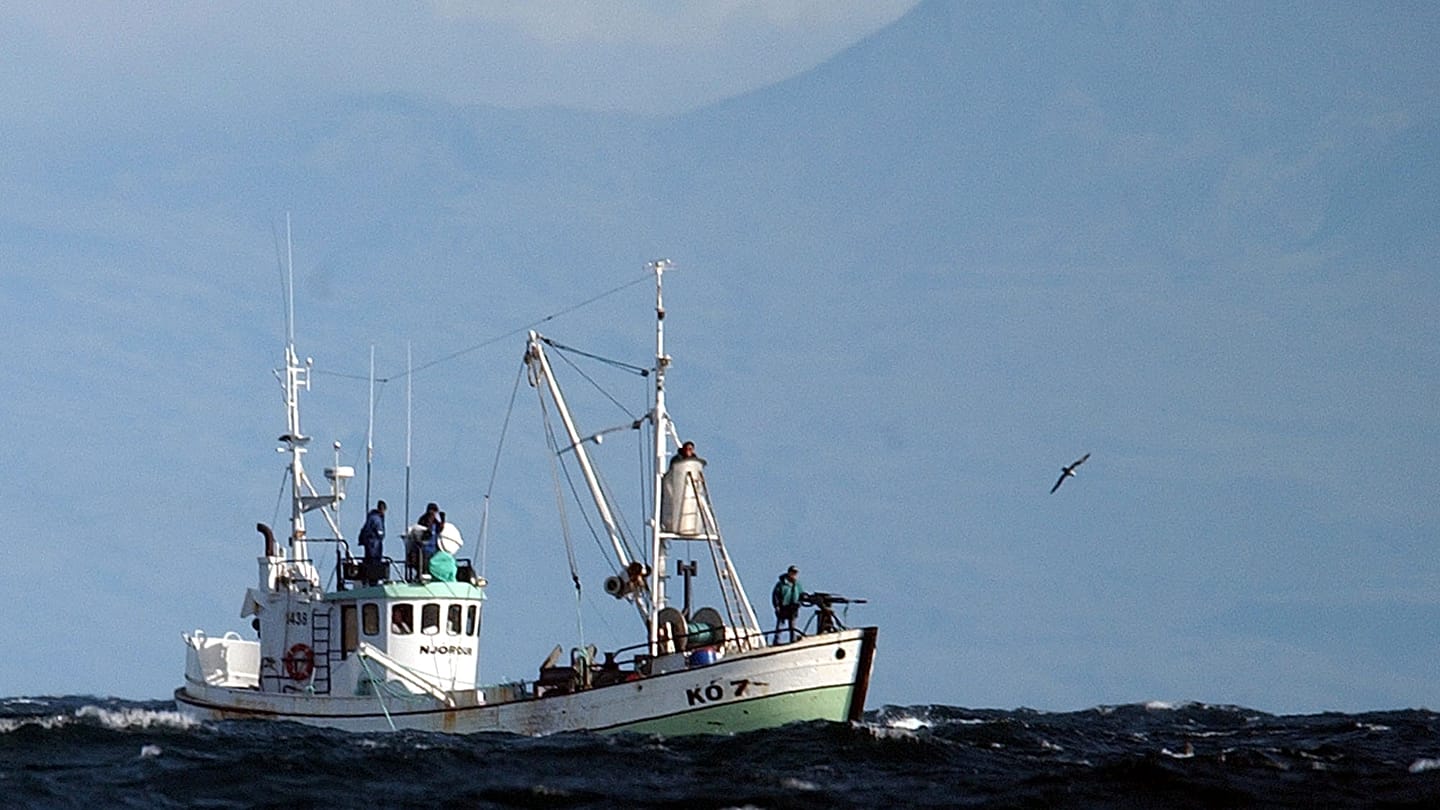
EuronewsTwo fin whales were killed off Iceland's coast overnight Sunday, ending a two-year pause in commercial whaling. Iceland's Marine and Freshwater Research Institute has set reduced quotas for the 2026 season.