Unbiased AI-powered news
Wildfire smoke contains particles and chemicals more toxic than typical air pollution and has been tied to heart attacks, strokes, pregnancy complications, and longer-term health effects. The smoke can travel thousands of miles and linger for weeks.
theverge.comWildfire smoke contains particles and chemicals more toxic than typical air pollution and has been tied to heart attacks, strokes, pregnancy complications, and longer-term health effects. The smoke can travel thousands of miles and linger for weeks.
Wildfires can burn vegetation, vehicles, buildings, and their contents. Along with soil and biological particles, the smoke often carries traces of chemicals, metals, plastics, and other synthetic materials.
Health effects Laboratory experiments show wildfire smoke causes more inflammation and tissue damage than regular air pollution, according to Kent Pinkerton, co-director of the Center for Health and the Environment at the University of California, Davis.
Studies have linked the smoke to higher rates of heart attacks, strokes, cardiac arrests, emergency room visits for asthma, weakened immune defenses, and poorer survival rates after surgery. A 2023 Maryland study found a spike in heart and lung illnesses linked to smoke that originated up to 2,100 miles away.
Exposure has also been associated with eye and skin problems, miscarriage, low birth weight, and preterm delivery. A California study found cellular damage in first- and second-trimester placentas after wildfire exposure. Another study linked third-trimester exposure to a higher risk of an autism diagnosis.
Effects can persist for years. After Australia’s 2014 Hazelwood Coal Mine fire, heart disease rates stayed elevated for two-and-a-half years and respiratory illnesses for five years. A 2026 U.S. study connected wildfire smoke exposure to elevated risks for lung, colorectal, breast, bladder, and blood cancers, with risks rising as pollution levels increased.

Exposure to the 2018 Camp Fire in California was linked to changes in cognition and brain activity six to 12 months later. Several studies have also connected longer-term exposure to higher dementia risks. California data show an increase in fungal infections in the months after exposure, likely from spores in the smoke.
Exposure levels and mitigation “There’s no safe level” of inhaled particles from wildfire smoke, said Doug Brugge, who chairs the Department of Public Health Sciences at the University of Connecticut School of Medicine. Any amount triggers inflammatory responses.
Children, the elderly, and people with chronic illnesses are most vulnerable. Even healthy adults can experience sore throats, excessive phlegm, coughing, headaches, and brain fog that appear immediately and last after the smoke clears, said Keith Bein of the Air Quality Research Center at the University of California, Davis.
Experts advise wearing N95 masks and limiting outdoor activities, especially strenuous exercise. The longer a person stays outside and the harder they breathe, the more pollution they inhale, said Dr. Jasvinder Singh, a lung medicine specialist at Medstar Franklin Square Medical Center in Baltimore.
Indoor air purifiers that trap particles smaller than 2.5 microns are also recommended. “Air purifiers reduce exposure and in our studies reduced blood pressure and cognitive impacts of air pollution,” Brugge said. UC Davis offers instructions for building a simple purifier for those who cannot buy one.
Indoor air quality Particulates from wildfire smoke enter most buildings in high concentrations. On average, indoor levels are about half of outdoor levels, Singh said. In poorly sealed buildings, concentrations can reach 70 percent of outdoor levels.
The EPA advises avoiding indoor activities that add more fine particles during smoke events, such as smoking, frying or broiling food, burning candles or incense, and vacuuming without a HEPA filter. Particles settle on clothes, walls, and surfaces and continue to be released into the air after the smoke plume passes.
frequent wildfires, likely linked to climate change, mean repeated exposure. The health effects over multiple seasons remain unclear. “It is hard to make predictions because it is hard to say how many fires people will be exposed to, how long the fires will burn, or what the smoke will contain,” Bein said.
Researchers are studying long-term effects on water supplies, crops, livestock, urban wildfire smoke, in-utero exposure, and whether smoke worsens the effects of extreme heat. Nutrients in the smoke may contribute to downwind algal blooms, affecting drinking water and lake ecology.
These outlets didn't split into competing frames — coverage was uniform.
ABC NewsSecretary of State Marco Rubio hosted a July 16 meeting with representatives from 66 countries to discuss rising left-wing political terrorism. Officials outlined new financial tracking and legal steps under National Security Presidential Memorandum 7.
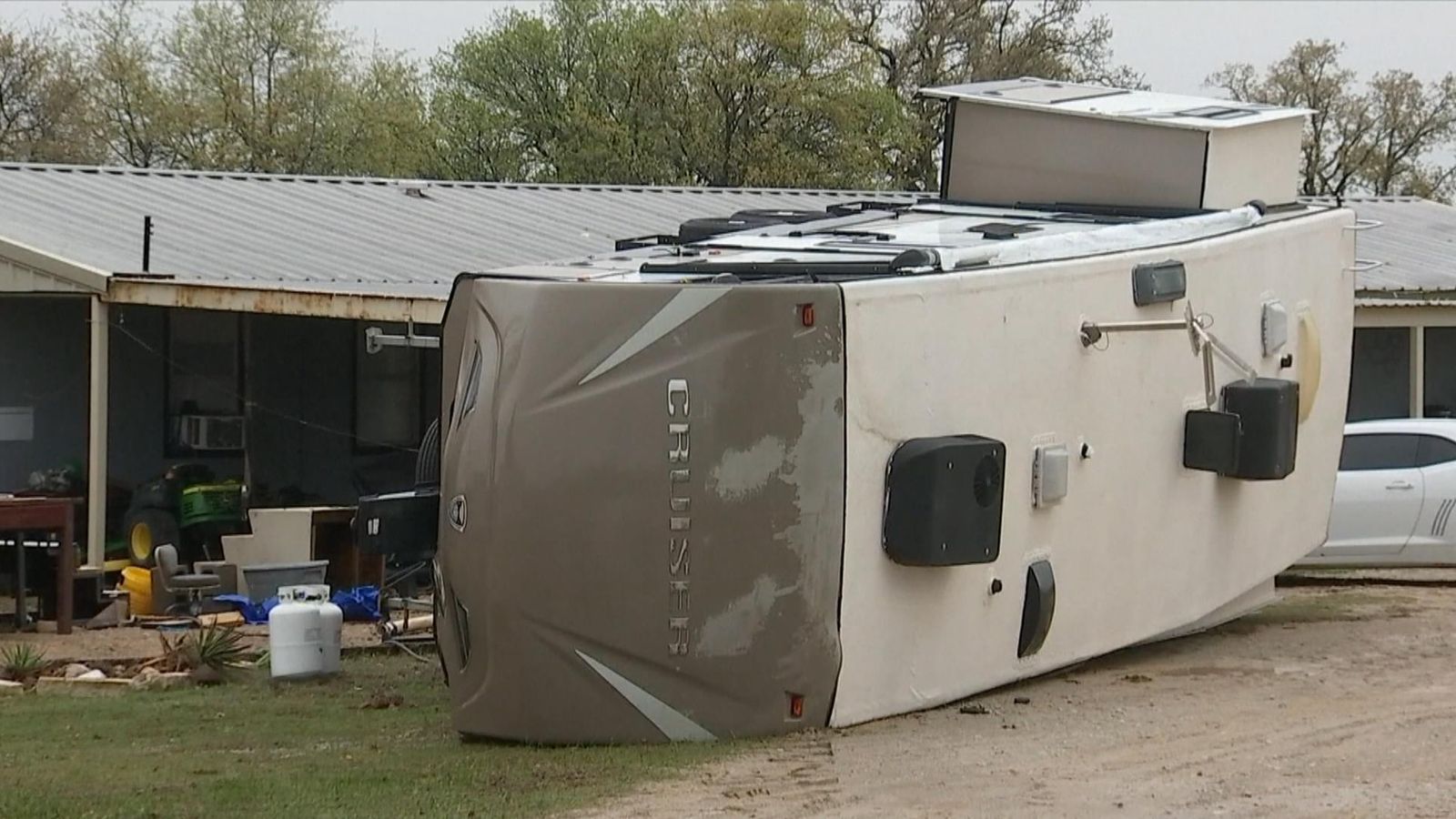
news.sky.comTwo people died and more than 230 rescues occurred in southern Texas flooding. Officials deployed over 2,350 responders and multiple aircraft and boats to affected areas.
themandarin.com.auThe UK government published proposals on 16 July 2026 to reform marriage laws in England and Wales. The plans would allow ceremonies at a wider range of sites while introducing a dignity framework and expanding who may officiate.