world
Wildfires in Spain and Pakistan strain global aid and security budgets
Simultaneous disasters in southern Spain and Pakistan have added to competing demands on capital, political attention, and public concern already stretched by security spending and market volatility this year.
Jul 16, 4:30 AM·1m read1 source
 South China Morning Post
Audio version
Tap play to generate a narrated version.
Developing·Limited corroboration so far. This page will refresh as more sources emerge.
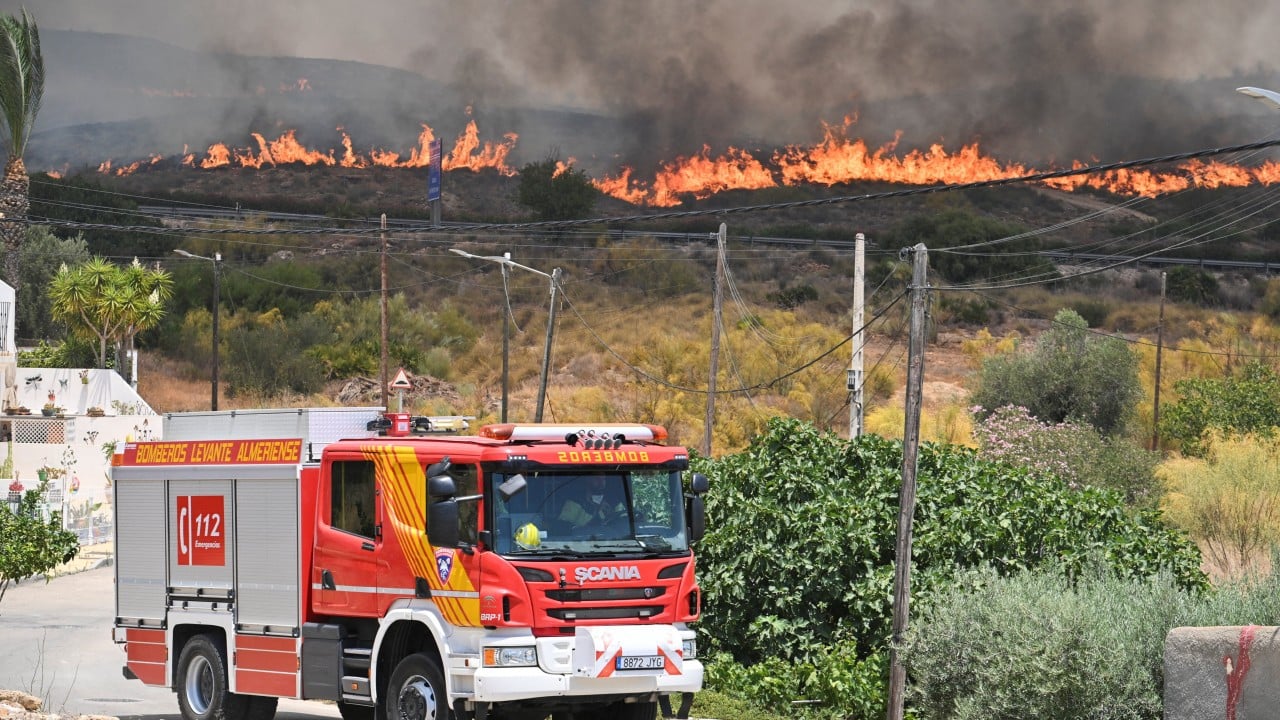
A wildfire near Almeria in southern Spain killed at least 12 people and left 23 others missing last week. The same period brought reports of flooding in Pakistan that displaced thousands and damaged infrastructure across multiple provinces. Capital remains finite, as do political bandwidth and public concern.
Officials have faced simultaneous calls to allocate resources between security commitments, market stabilization measures, and emergency disaster response.
Governments and aid organizations must now divide attention and funding across multiple fronts. Security spending and market volatility had already drawn significant portions of available resources earlier in the year. The disasters arrived while those earlier pressures remained in place. No single event has been paused to accommodate the others.
The wildfire near Almeria began spreading rapidly through dry vegetation before containment efforts could be fully mobilized. Flooding in Pakistan followed within days, affecting both urban centers and rural agricultural zones. Relief agencies reported that initial assessments were still underway in both locations as of the most recent updates.
/cdn.vox-cdn.com/uploads/chorus_asset/file/24714743/1496923921.jpg)