World Announces Integrations with Zoom, DocuSign and Others for Iris-Scanning Identity Tool
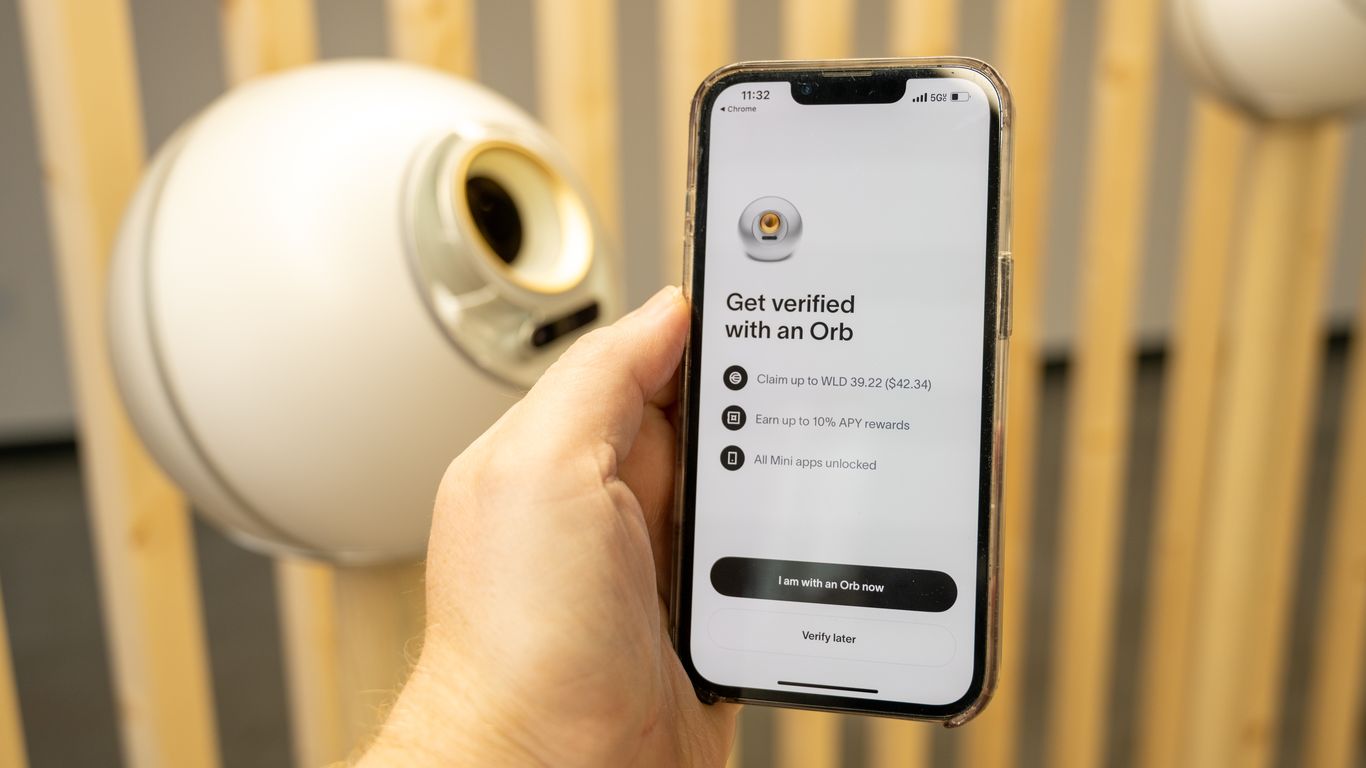
A company co-founded by OpenAI's Sam Altman unveiled expanded integrations for its World ID protocol with platforms including Zoom, Tinder and Shopify. The firm, known for iris-scanning orbs, upgraded its identity tool and plans to open-source it for broader app authentication. About 17.9 million people have signed up for World ID globally.
 Axios
AxiosZoom plans to integrate World ID to verify participants on video calls.
Post by @disclosetv on X
DocuSign is testing World ID to confirm a real human is behind a digital signature. Okta and Vercel are working with World on tools to verify that a real human approved certain actions taken by AI systems.
For users to verify a real person is behind a profile. Tinder will let users prove they are human by bringing eye-scanning technology to the app, and users of Tinder and Zoom can scan their irises to earn a proof of humanity badge attached to their profile or name.
The integration with World ID will be an additional verification option on Tinder, following the platform's requirement last year for all users to submit a video selfie to confirm they were real people.
VanEck is testing an in-office orb for employee verification. World is launching a Concert Kit tool to help artists reserve tickets for verified humans.
Validation Tiers World Will expand the number of orbs available in San Francisco, New York City and Los Angeles so most people in those cities are within about 5-10 minutes from one, according to Tiago Sada, chief product officer at Tools for Humanity.
World piloted its orb-on-demand service in Argentina last year and plans to bring it to San Francisco. World ID has three tiers for validation: taking a selfie, submitting an official government-issued ID, and going in-person to an orb to scan iris. Once confirmed as human, a person receives a unique identification code stored on their smartphone as World ID.
Someone with a World ID can use it on Zoom to show they are who they appear to be.
The company behind the authentication technology first launched to the public in 2022 as Worldcoin and launched a cryptocurrency under the same name.
In 2024, the company became World Network. Last year, the company was shortened to World. About 17.9 million people have signed up for World ID globally.