science
World Cup Adds Hydration Breaks and Air Conditioning While Stadium Workers Lack Same Heat Protections
Grist reported that hydration breaks and air conditioning at 2026 World Cup venues protect players but leave concession, cleaning, security and parking staff exposed. Several host cities recorded high heat index values last week while workers reported limited access to water and shade.
Jul 10, 4:45 AM·1m read1 source
 kpbs.org
Audio version
Tap play to generate a narrated version.
Developing·Limited corroboration so far. This page will refresh as more sources emerge.
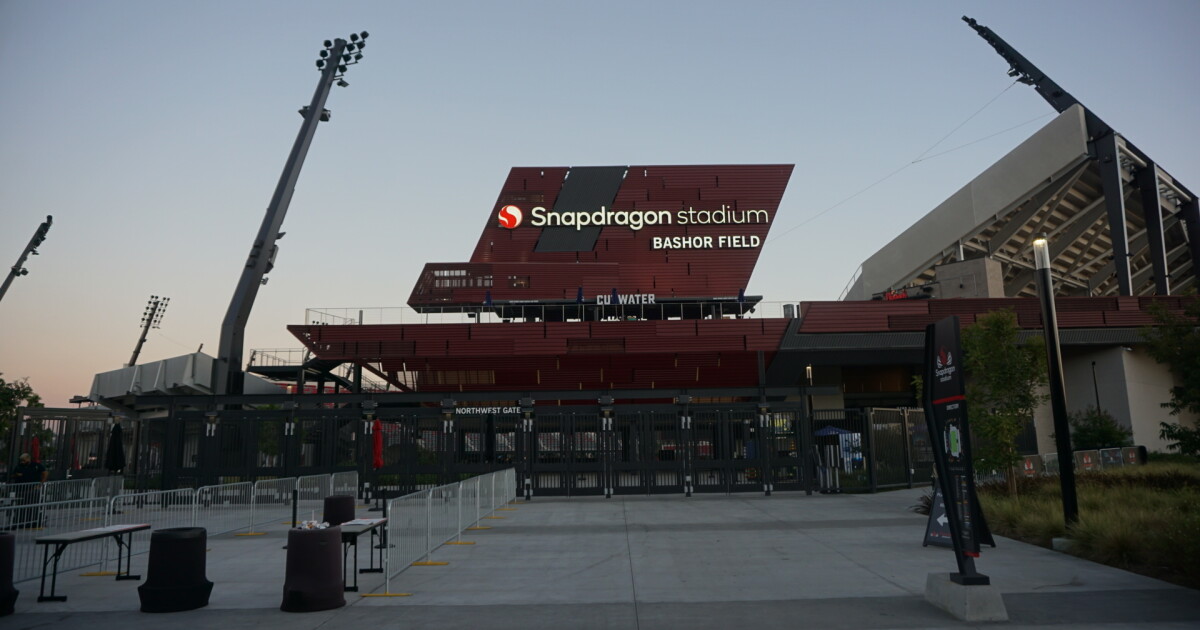
Extreme heat has remained a major concern throughout the 2026 World Cup, with organizers adding hydration breaks to games and installing air conditioning in some stadiums. Those measures do not extend to workers selling concessions, cleaning stadiums, or handling security and parking lots outside the venues.
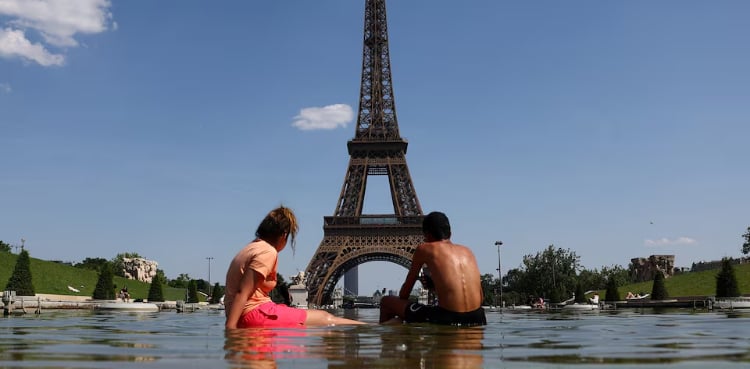
Grist reported that several host cities fell under a heat dome over eastern North America last week, producing high temperatures and heat index values in Atlanta, Miami, Dallas, Houston, Kansas City, Philadelphia, New York and Toronto.
Heat exposure places workers at risk of heat exhaustion or heat stroke. Lucia Gambino of the Sur Legal Collaborative said she observed stadium workers in Atlanta who were visibly affected by the heat, red in the face and reporting a lack of access to water or shade. The group is supplying shade, water, electrolytes and cooling towels to those workers.
A paper published before the tournament in the journal Applied Physiology, Nutrition, and Metabolism warned that workers traveling to the event or performing unfamiliar tasks may not be acclimatized to the heat. Andrew Grundstein, a geography and atmospheric sciences professor at the University of Georgia, stated that unlike athletes, workers are more likely to have underlying health issues.
Workers at World Cup venues are employed by stadiums, contractors or subcontractors, each subject to different policies and varying local, state and federal safety regulations.
The tournament spans three countries with differing laws on heat and worker protection, and U.S. state rules also vary, according to Maggie Morrissey of Providence College and the Korey Stringer Institute.