New York Gallery Hosts Photo Exhibition on Industrial Fishing in Southeast Asia
A nine-month investigation by freelance photojournalist Nicole Tung examines industrial fishing's toll on marine ecosystems in Thailand, the Philippines, and Indonesia. The exhibition, titled 'Overfishing in Southeast Asia,' recently appeared at the Bronx Documentary Center. Images depict fishermen at sea, threatened species, and docked vessels, highlighting supply chains to global markets.
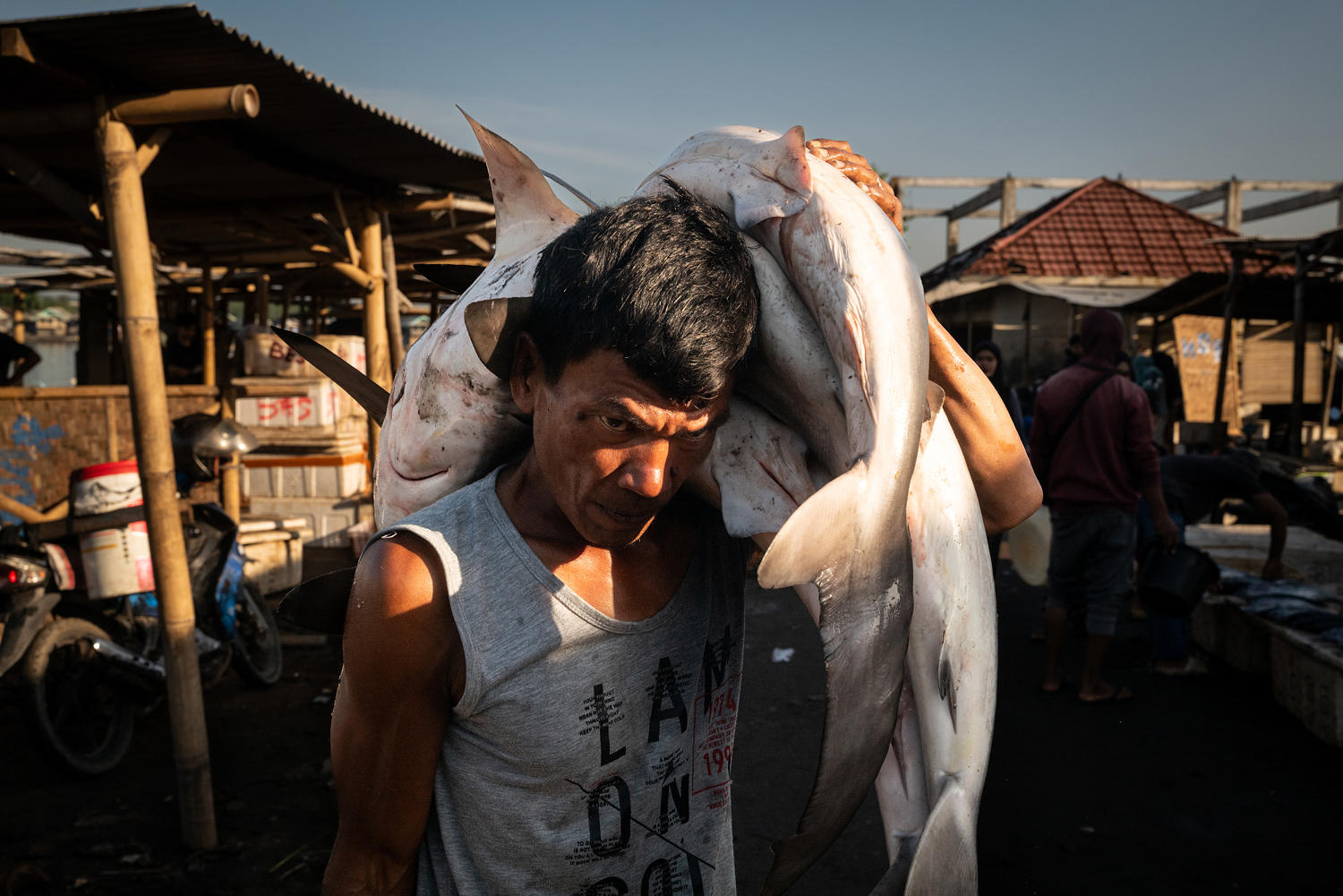 Nbc News
A photo exhibition titled 'Overfishing in Southeast Asia' was on display at a New York gallery last month. The exhibition offers a look into industrial fishing in Southeast Asia and its impact on marine ecosystems. Freelance photojournalist Nicole Tung conducted the nine-month investigation, which spans Thailand, the Philippines, and Indonesia.
The work was recently displayed at the Bronx Documentary Center, a nonprofit gallery and educational space. More than a dozen images capture Filipino fishermen at sea. Other photographs show threatened species including sharks and wedgefish, as well as hundreds of commercial fishing vessels docked in Jakarta, Indonesia.
The photographs trace the journey from local ports to global markets. According to the Bronx Documentary Center, the images expose the human cost behind seafood supply chains that reach consumers worldwide. The United States enforces strict laws governing seafood imports tied to forced labor.
Nicole Tung said women in the industry face growing uncertainty, often working on docks while their husbands are employed on commercial fishing vessels. "If their husbands go missing, there’s usually no legal recourse for them," Tung said. She added that more oversight is needed in the sector.
Experts emphasize the need for closer monitoring of overfishing in Southeast Asia. "The first important point is monitoring and understanding stock status," said Matsuishi Takashi Fritz, a professor in the Faculty of Fisheries Sciences at Hokkaido University in Japan. He added that combating illegal, unreported and unregulated fishing—known as IUU fishing—is also critical.
IUU fishing puts law-abiding seafood producers at a significant disadvantage. According to the Food and Agriculture Organization of the United Nations, about 80% of the world’s fisheries are either fully exploited or overexploited. Tung offered advice for consumers seeking to avoid supporting such practices.
"A lot of what people can do is read labels carefully and look at what kind of certifications the seafood has," Tung said.