New York Law Requires Firearm Detection Technology in 3D Printers by 2029
A New York law signed last month directs experts to develop standards for software that would block 3D printers from producing gun parts. A similar bill is under consideration in California. The requirement would not take effect until at least 2029.
 Fortune
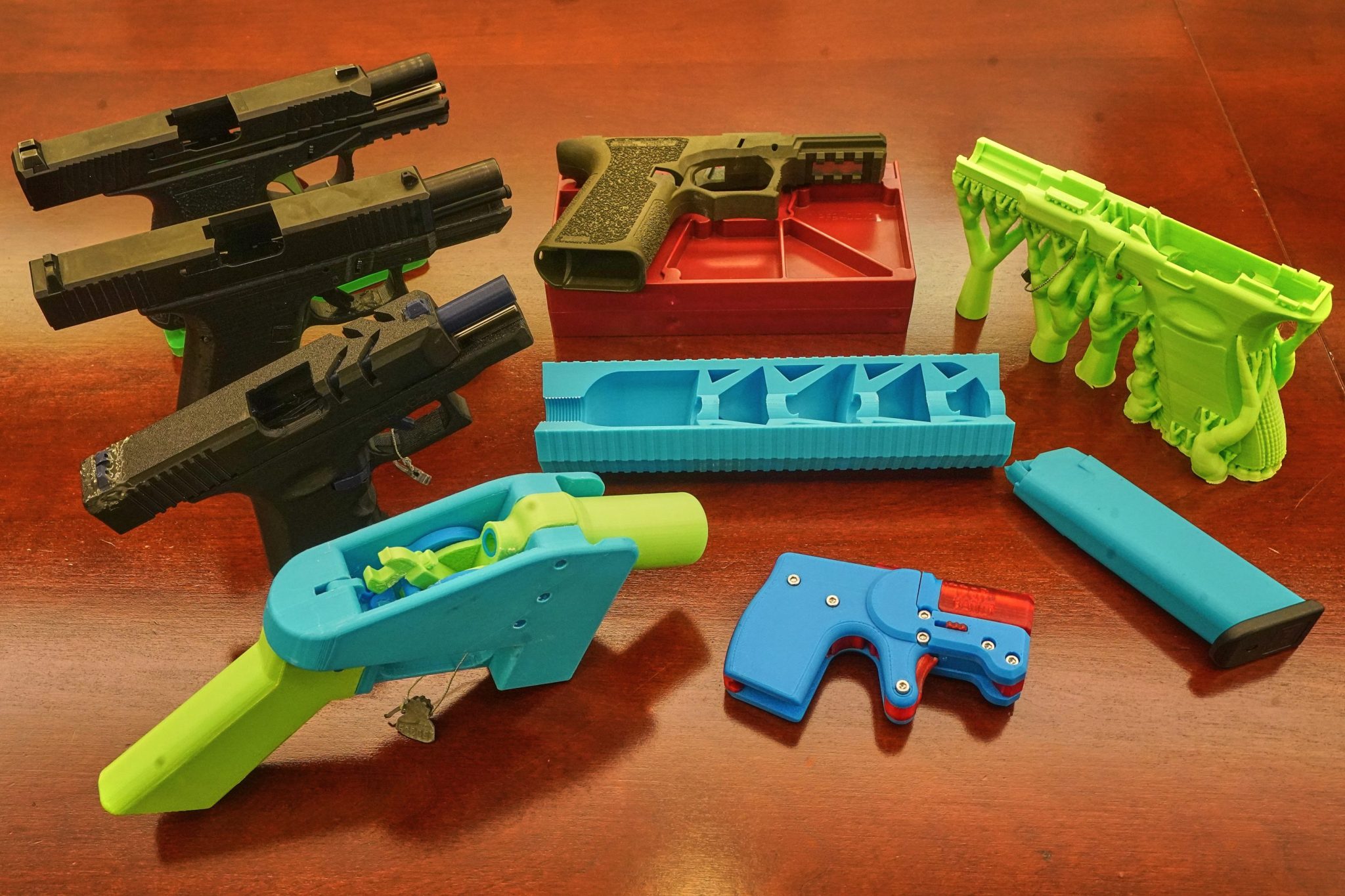
A New York law signed last month requires 3D printers sold for home and business use to include technology that detects and blocks designs for firearm parts. The mandate would not begin until 2029 or later, depending on a study group's findings. A similar measure is under consideration in California.
The law directs a panel of experts to set standards for algorithms that would compare submitted designs against a library of firearm parts and reject matches. The technology would not be required until the study determines it is feasible. Officials said the goal is to limit production of untraceable firearms.
The number of 3D printers worldwide has grown from an estimated 30,000 in 2012 to over 3 million, while the industry's value rose from about $2 billion to $26 billion annually, according to Bill Decker, executive chairman of the Association of 3D Printing.
Some models now sell for several hundred dollars. The devices can produce toys, prosthetic limbs, airplane parts, and firearm components using designs available online. A U.S. Department of Justice report released last year showed privately made guns recovered in crimes rose from about 1,600 in 2017 to nearly 27,500 in 2023.
The report did not specify how many were made with 3D printers. Eleven states already prohibit 3D-printed guns, and six require serial numbers.
Decker said the Association of 3D Printing supports the legislation but added that the blocking technology is unlikely to work. He described the measure as more of a political statement than an effective control. Criminals could alter designs or use printers without the software, he said.

