Substrate
world

Zimbabwe Seeks Investment in Mineral Processing After Ban on Raw Exports

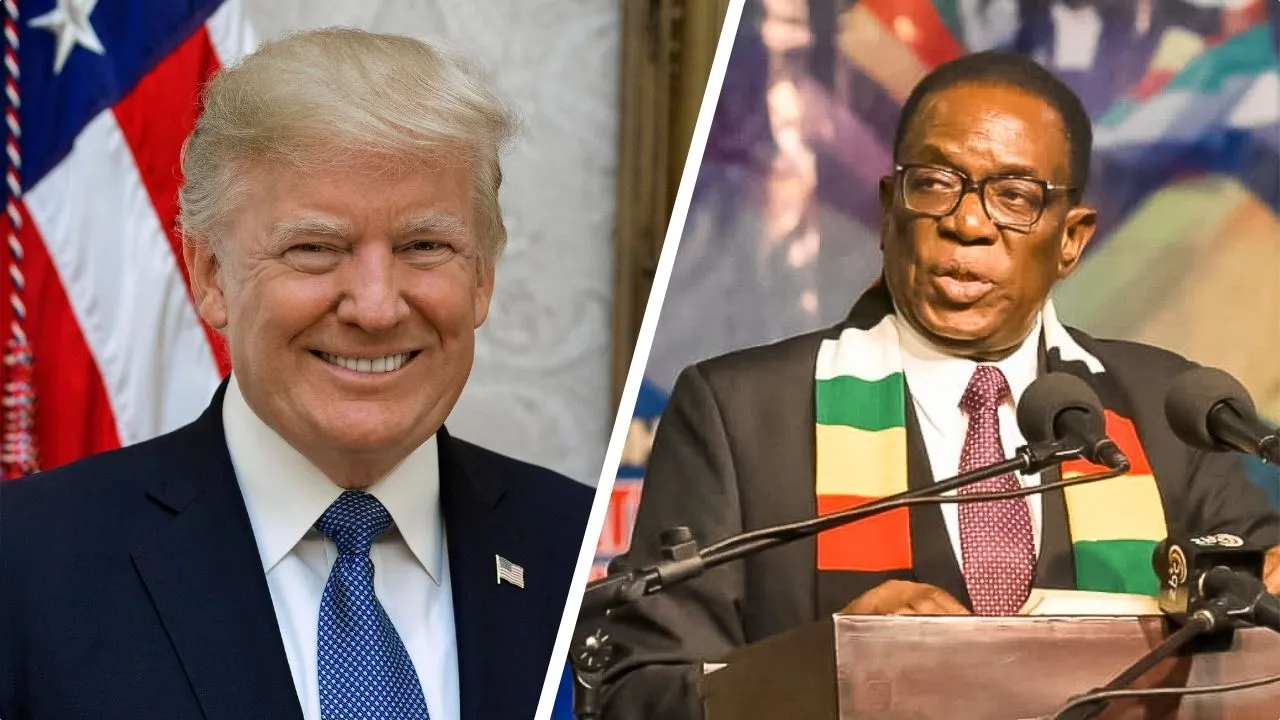
Zimbabwe's Vice President Constantino Chiwenga called for more investment in mineral processing and refining amid a shift to domestic value addition. The remarks came after a recent cabinet ban on exporting raw minerals and lithium concentrates. The government aims to boost local beneficiation and industrialization.

AllAfrica
1 source·Apr 23, 11:56 AM(36 days ago)·1m read
Zimbabwe Seeks Investment in Mineral Processing After Ban on Raw ExportsSubstrate placeholder — needs review
Audio version
Tap play to generate a narrated version.
Developing·Limited corroboration so far. This page will refresh as more sources emerge.

Zimbabwe's Vice President Constantino Chiwenga stated that the country welcomes more investment in mineral processing and refining as it shifts from exporting raw minerals to domestic value addition. Chiwenga delivered these remarks on Wednesday, April 23, 2026, in a keynote address at the 2026 International Business Conference.

The conference took place during the ongoing Zimbabwe International Trade Fair in Bulawayo, Zimbabwe's second-largest city.

AllAfrica reported that the Zimbabwean Cabinet recently approved a ban on exports of raw minerals and lithium concentrates. The ban aims to boost local value addition and beneficiation. 'The era of exporting raw resources without meaningful domestic benefit must give way to a new phase of in-country value addition, industrialization and manufacturing,' Chiwenga stated.

He noted that the mining sector's momentum is driven by surging global demand for strategic minerals such as lithium and chrome. Zimbabwe has vast reserves of platinum group metals, lithium, chrome, and iron ore. The government is strengthening collaboration between industry and research institutions, Chiwenga said.

This collaboration aims to ensure innovation and skills development align with national production. Zimbabwe is accelerating investment in energy generation, transmission infrastructure, and renewable energy. Investment in renewable energy has driven the rollout of decentralized systems like mini-grids.

'We are inviting the private sector to partner with government in expanding the national energy base,' Chiwenga stated. He cited significant opportunities in independent power production and clean energy industries. Chiwenga also called for increased local capacity in steel manufacturing.

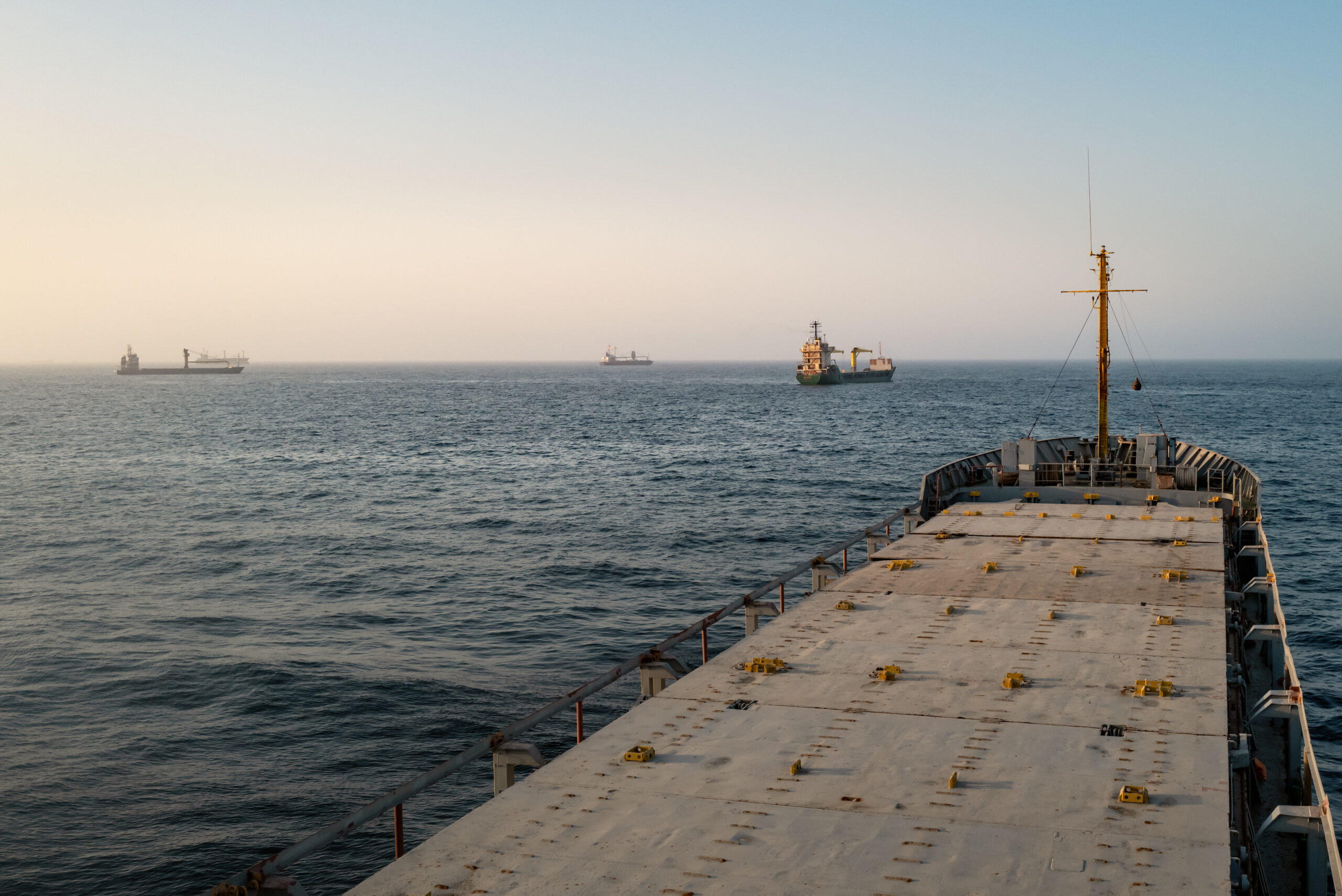
This call aims to mitigate evolving geopolitical risks.

Key Facts

Investment call
Vice President Constantino Chiwenga stated Zimbabwe welcomes more investment in mineral processing and refining.
Export ban
Zimbabwean Cabinet approved a recent ban on raw minerals and lithium concentrates exports to boost local value addition.
Energy initiatives
Zimbabwe is accelerating investment in energy generation, transmission infrastructure, and renewable energy, driving rollout of mini-grids.
Mineral reserves
Zimbabwe has vast reserves of platinum group metals, lithium, chrome, and iron ore.
Steel manufacturing
Chiwenga called for increased local capacity in steel manufacturing to mitigate geopolitical risks.

Story Timeline

5 events
  1. 2026-04-23

    Vice President Constantino Chiwenga delivered keynote address at 2026 International Business Conference, stating Zimbabwe welcomes investment in mineral processing.

    1 sourceAllAfrica
  2. 2026-04-23

    2026 International Business Conference held during Zimbabwe International Trade Fair in Bulawayo.

    1 sourceAllAfrica
  3. Recent (prior to 2026-04-23)

    Zimbabwean Cabinet approved ban on raw minerals and lithium concentrates exports to boost local value addition.

    1 sourceAllAfrica
  4. Ongoing

    Government strengthening collaboration between industry and research institutions for innovation and skills development.

    1 sourceAllAfrica
  5. Ongoing

    Acceleration of investment in energy generation, transmission, and renewable energy, including mini-grids.

    1 sourceAllAfrica

Potential Impact

  1. 01

    Boost to local value addition and beneficiation in mining sector.

  2. 02

    Expansion of national energy base through private sector partnerships in renewable energy.

  3. 03

    Increased collaboration between industry and research for innovation and skills development.

  4. 04

    Mitigation of geopolitical risks via enhanced local steel manufacturing capacity.

Transparency Panel

Sources cross-referenced1
Framing risk0/100 (low)
Confidence score75%
Synthesized bySubstrate AI
Word count249 words
PublishedApr 23, 2026, 11:56 AM
Bias signals removed3 across 3 outlets
Signal Breakdown
promotional 1booster 1advocacy 1

Related Stories

WHO Chief Visits DRC as Ebola Death Rate Reaches 30-50%The Guardian
world16 min ago

WHO Chief Visits DRC as Ebola Death Rate Reaches 30-50%

World Health Organization director-general Tedros Adhanom Ghebreyesus arrived in the Democratic Republic of the Congo to support containment of a new Ebola outbreak. The agency revised the death rate to 30-50% based on confirmed cases and recorded 10 confirmed and 223 suspected d…

SK
The Guardian
2 sources
Greek National Charged in UK With Aiding Iran-Linked Intelligence Servicewesternjournal.com
world16 min ago

Greek National Charged in UK With Aiding Iran-Linked Intelligence Service

A 46-year-old Greek man living in Germany was charged under the UK National Security Act with assisting an intelligence service believed to be Iran by targeting a journalist at Iran International.

Reuters
BBC News
2 sources
Journalists in Gaza to Receive 2026 Golden Pen of Freedom Awardstraitstimes.com
world2 hrs ago

Journalists in Gaza to Receive 2026 Golden Pen of Freedom Award

Three international news agencies will accept the award on behalf of their local staff still reporting from the territory. The World Association of News Publishers cited the journalists' continued coverage under extreme conditions.

Al-Monitor
AF
2 sources