Substrate
worldIn-Depth

After the Iran War: The Case for American Victory — and the Bills Coming Due

Energy dominance, Hormuz reopened, and Trump's "ten wars" claim — weighed against $58B in damage, China's quiet ascent, and a still-fragile peace.
13 sources referenced7 sections10-event timeline
After the Iran War: The Case for American Victory — and the Bills Coming Due
MarketWatch

Key Facts & Figures

US oil production
13.6 million bpd — #1 globally
US petroleum exports
7.2 million bpd — #1 globally
US natural gas
More than Russia + Iran + China combined
US nuclear share
~30% of global nuclear generation — #1 globally
Hormuz status
Open and operating; IRGC harassment ongoing, transits continuing
Iran energy infrastructure
Years to rebuild per Foreign Affairs; Ras Laffan in restart mode
China oil imports
Middle East intake declining; March exports slowed to 2.5%
Trump's wars-ended count
Claims 10, including Iran and Lebanon
Funds-for-uranium proposal
$20B in frozen Iranian assets reportedly on the table

Overview

The shooting has stopped. Six weeks into the ceasefire that ended Operation Epic Fury, an outline of the post-war order is forming — and on the U.S. side it looks a lot like a win. America has emerged as the world's most diversified energy power, NATO sat the war out, and Trump is publicly tallying "ten wars" ended on his watch. The same cache of reporting that supports that frame also documents what it cost: tens of billions in damaged Gulf infrastructure, a Strait of Hormuz that is open and operating but contested by IRGC harassment, and a broken bargain between Beijing and Tehran that left China scrambling to replace its captive cheap-oil supplier. This is the case for American victory — with the bills, and with the loser nobody had on the bingo card.


Timeline

Feb 28, 2026
Operation Epic Fury launches
U.S.-Israeli air campaign against Iran begins. Sortie rate runs 300-500/day for the first five weeks.
Apr 3, 2026
F-15E DUDE 44 shot down
First U.S. warplane lost to hostile fire since 2003. Both crew rescued (Operation Easter Miracle).
Early April 2026
Lebanon ceasefire takes effect
Hezbollah claims it 'emerged stronger.' President Joseph Aoun defends direct talks with Israel.
Apr 8, 2026
Qatar restarts Ras Laffan
Workers mobilized at the world's largest LNG plant after the ceasefire.
Apr 11, 2026
Foreign Affairs: rebuild will take years
Damaged Iranian and Gulf energy infrastructure is on a multi-year replacement timeline.
Apr 14, 2026
China's Middle East energy imports decline
@MarioNawfal flags falling Chinese intake of Middle East crude. China's March export growth slowed to 2.5% on energy disruptions.
Apr 17, 2026 — afternoon
Trump: Hormuz 'completely open'
Markets rip; CENTCOM releases photos of AH-64 Apaches patrolling the strait. A cruise ship transits for the first time since the war began.
Apr 17, 2026 — same day
Trump: 'ten wars' ended
Counts Iran and Lebanon alongside the prior eight. Same day: 'NATO useless when needed, a Paper Tiger!'
Apr 18, 2026 — morning
IRGC harasses Hormuz traffic
Iranian Navy radio messages claim the strait is shut. A U.S. defense official confirms IRGC attacks on shipping; some vessels reverse course. Tankers and Qatari LNG carriers continue to transit.
Apr 18, 2026 — same day
MarketWatch headline lands
'The real outcome of the Iran war: America is now the world's most secure energy power.' SCMP simultaneously reports China studying 'vital lessons,' while @business reports China and Turkmenistan deepening their energy partnership — a substitution play for lost Iranian crude.

The energy-superpower thesis

US #1 in oil, petroleum exports, crude exports, liquids, natural gas, and nuclear
MarketWatch (Apr 18): US emerges as world's most secure energy power
Domestic supply absorbed the Persian Gulf shock; exports backstopped allies

Daniel Lacalle's post-war scorecard is the cleanest articulation of the bull case: the United States now leads the world in oil production (13.6 million barrels per day), petroleum-product exports (7.2 mbpd), crude exports (5.2 mbpd), liquids production (more than Saudi Arabia and Russia combined), and natural gas (more than Russia, Iran and China combined). It is the world's #1 nuclear producer at roughly 30% of global output and a leader in renewables, hydro and coal. MarketWatch reached the same conclusion in plainer language on April 18 with a piece titled "The real outcome of the Iran war: America is now the world's most secure energy power." The thesis: a war that knocked Persian Gulf supply offline did not knock America offline. Domestic production absorbed the shock, exports backstopped allies, and the dollar's energy invoice survived intact. "Diversification and security are not ideology," Lacalle wrote. "It is logic."

MarketWatchDaniel Lacalle (X)

What America says it won

Trump declares Hormuz open Apr 17; markets rip on the news
Trump claims "ten wars" ended, counting Iran and Lebanon
$20B funds-for-uranium exchange under discussion (CBS News, multiple outlets)

On April 17, Trump declared the Strait of Hormuz "completely open." CENTCOM released photographs of AH-64 Apache helicopters patrolling the narrows, and Iran's foreign minister Abbas Araghchi confirmed the reopening publicly. Within hours, oil futures crashed and U.S. equities ripped — Seeking Alpha tagged the move "Hormuz Opens: Oil Crashes, Stocks Rip Higher." Trump went further the same day, telling reporters: "I ended eight wars, and it may be a little early to say this, but if we add Iran and Lebanon, that's ten wars" — a line that traveled across the wire from @disclosetv to @unusual_whales. The administration is also reportedly negotiating a $20 billion funds-for-uranium exchange with Tehran, with Trump telling CBS News the Iranians have "agreed to everything," including the removal of enriched uranium. The Washington Examiner framed the same package less generously, calling it "the price of appeasement." Either way, the structural ask — open the strait, surrender the centrifuge stockpile, accept American patrols in the Gulf — is on the table.

@disclosetv@unusual_whalesCBS NewsSeeking AlphaWashington Examiner@MarioNawfal

What Iran kept — and what is still contested

Strait open with traffic flowing — IRGC harassment, not closure
Iranian state media: uranium transfer "never an alternative"
Hezbollah claims it "emerged stronger" from the Lebanon war

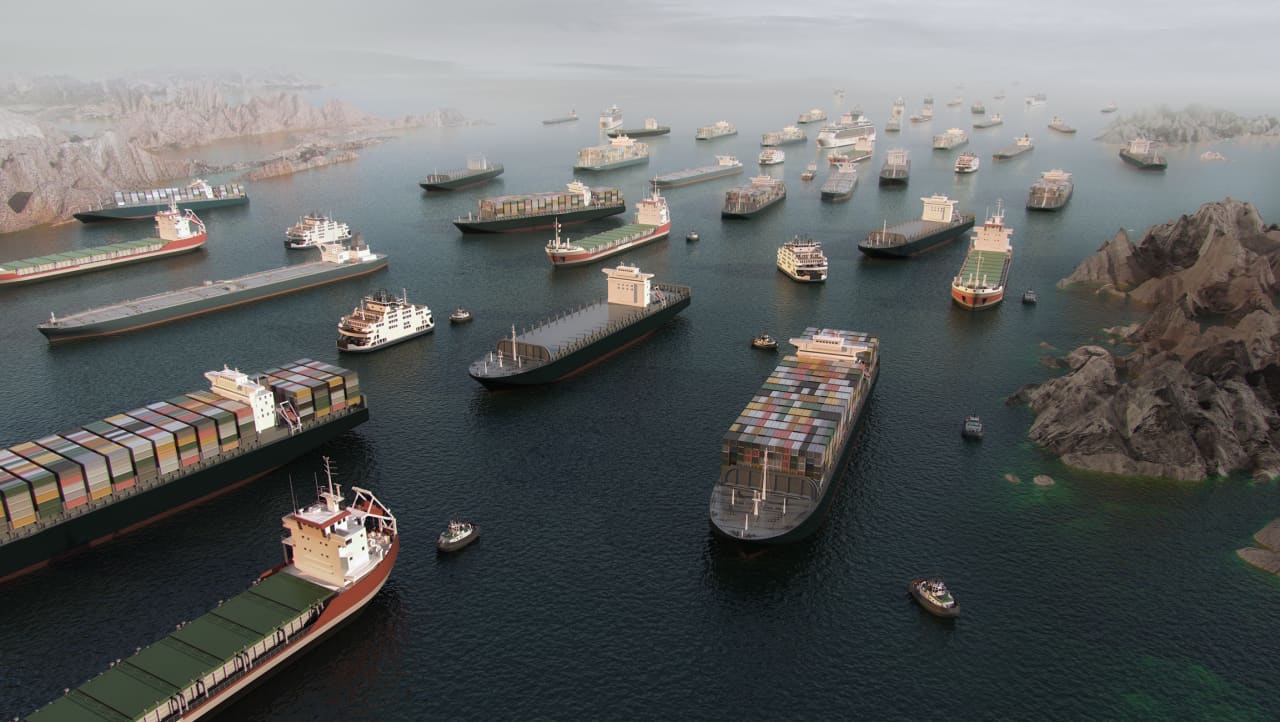
The other half of the ledger is less flattering, but it is also less dramatic than Iranian state media want it to be. Within twenty-four hours of Trump's "completely open" declaration, the IRGC issued radio messages to merchant vessels asserting the Strait of Hormuz was shut. Vessels reported gunfire; a U.S. defense official confirmed IRGC attacks on shipping; some tankers reversed course while others kept moving. What did not happen was a closure: a cruise ship transited the strait for the first time since the war began, CENTCOM released photos of AH-64 Apaches patrolling, five loaded Qatari LNG vessels approached, and shipping groups warned the strait remained "unsafe" — not impassable. Saudi Arabia's finance minister said recovery "will take time." The honest framing is that the strait reopened with a risk premium and a contested security environment, not that Iran reclosed it. On the nuclear file the picture is more genuinely contested: Iranian state media disputed Trump's account, with one outlet stating that "the transfer of Iran's enriched uranium to the US has never been an alternative for Iran." Hezbollah declared it had "emerged stronger" from the Lebanon war. A former CIA analyst described what he called an Iranian "strategic victory" in the Hormuz context — arguing Tehran retains the chokehold leverage that matters most. None of these claims invalidate the energy-superpower thesis. They qualify how cleanly the war ends.

@DeItaone@FirstSquawkSeeking AlphaAl Jazeera@MarioNawfal@Osinttechnical

NATO sidelined — and not

Trump (Apr 17): NATO "useless when needed, a Paper Tiger!"
UK + France launch joint Hormuz protection mission
Multinational "strictly defensive" summit convened in London and Paris

On April 17, Fortune reported Trump was "still furious" about NATO, repeating his "useless when needed, a Paper Tiger!" line and reminding reporters he had "told them to stay away." The throughline is consistent with the war Trump fought: a U.S.-Israeli air campaign with no formal NATO involvement, and a peace negotiated bilaterally rather than through the Atlantic council. The reality on the water is more complicated. The UK and France launched a joint mission to protect Gulf shipping in mid-April; a multinational summit hosted by London and Paris convened on April 18 under what organizers called a "strictly defensive" mandate, focused on mine-clearing and freedom of navigation. Royal Navy assets were already in theater. Whether one reads this as NATO failure (Trump's frame) or NATO improvisation outside the formal alliance (London and Paris's frame) depends on which document you treat as the institution. What is not in dispute: when the strait closed and reopened and closed again, the navies that showed up in the gap were European.

Fortune@MarioNawfal10-source aggregate (UK/France summit)

China lost its captive supplier

China's Middle East energy imports declined during the war (Apr 14)
March export growth slowed to 2.5% on energy disruptions and Iran war
Beijing scrambling: boosting strategic reserves, deepening Turkmenistan partnership

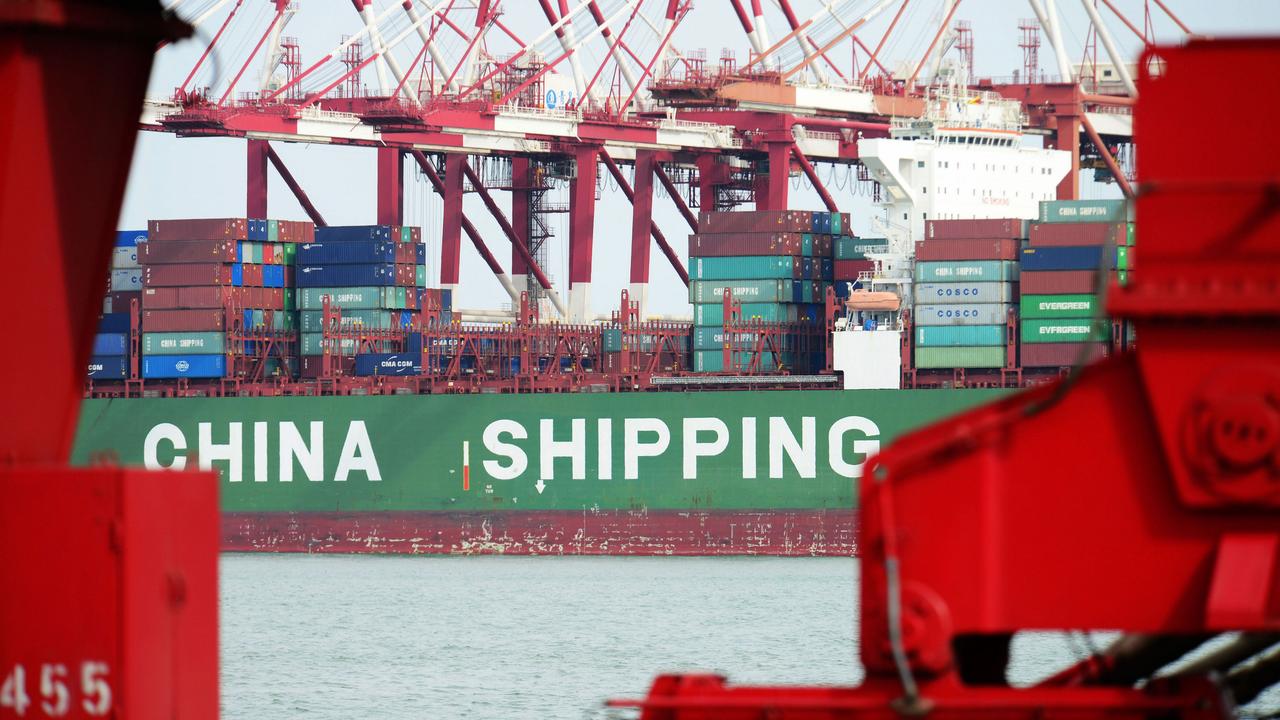
Before the war, China bought roughly 90% of Iran's oil exports — much of it at a steep discount routed through the independent "teapot" refiners in Shandong. That arrangement was the cheap-energy half of the Beijing-Tehran partnership, and the war broke it. @MarioNawfal flagged on April 14 that "China's Middle East Energy Imports Decline Amid Ongoing War." The same week, China's March exports slowed to 2.5% growth, with multiple outlets tying the deceleration directly to "energy disruptions and the Iran war." Beijing is now scrambling to backfill: a state planner official announced China would boost strategic energy reserves "to improve ability to handle emergencies," and on April 18 @business reported China and Turkmenistan moving to deepen their energy partnership — the textbook substitution play when your discount supplier is offline. Even Ian Bremmer, who flagged some longer-term Chinese gains in alternative supply chains, led with "short-term economic pressure from the Iran conflict." The diplomatic role — what the Washington Post called "behind-the-scenes" brokering — looks less like strategic positioning than damage control over an asset Beijing can no longer take for granted. The military lessons SCMP described are real, but they are consolation. The bottom line: China was Iran's lifeline and Iran was China's discount pump. Both halves of that bargain just broke.

@MarioNawfal@FirstSquawk@business@ianbremmerFortuneSouth China Morning Post

The bill coming due

IEA: "the largest energy crisis we have ever faced"
Foreign Affairs: rebuilding Iran's energy infrastructure will take years
Europe increased Russian LNG in March to offset Persian Gulf decline

The Boston Globe published a running list of damaged energy infrastructure in the Gulf — refineries, terminals, gas-processing trains. Foreign Affairs warned that rebuilding Iran's energy infrastructure will "take years after cease-fire," with replacement gas turbines alone running on multi-year lead times. Bloomberg reported Qatar mobilizing workers to resume production at Ras Laffan, the world's largest LNG plant, after the ceasefire — the restart, not a return to capacity. Ian Bremmer relayed the IEA's blunt assessment: "this is the largest energy crisis we have ever faced." The IMF, World Bank and IEA jointly urged countries to stop hoarding supplies and imposing export controls. Europe pivoted, increasing Russian LNG imports in March to offset the Persian Gulf decline — the same Russian LNG the U.S. lets a sanctions waiver expire on as a bargaining chip. Seeking Alpha argues the oil shock is "clouding the outlook for interest rates," with knock-on effects already visible in airline demand. Daily Caller reports the Trump administration is borrowing a Democratic tactic — naming corporate culprits — to deflect inflation blame. The energy-superpower thesis and the largest-energy-crisis-in-history thesis are both true at once, which is the uncomfortable part.

The Boston Globe@ForeignAffairsBloomberg / @business@ianbremmer@Reuters@JavierBlasSeeking AlphaDaily Caller

What we still don't know

Hormuz open with shipping crossing — IRGC threats are now baseline noise
Uranium disposition contested between Trump and Iranian state media
Lebanon ceasefire holding but politically fragile

Three big unknowns sit on top of the ledger. First, Hormuz: it is open and tankers are crossing, but the IRGC has demonstrated a willingness to threaten shipping with radio warnings and small-boat harassment, and the risk premium is now a permanent feature of the trade. The U.S. and European naval presence is real but finite. Second, the uranium: Trump says Iran has "agreed to everything," Iran says transfer was "never an alternative," and the centrifuges that survived the air campaign are still spinning somewhere. Third, the peace itself: Lebanon's ceasefire is being defended by President Joseph Aoun against a vocal opposition, IDF officers reportedly learned of the ceasefire from media, and Hezbollah is publicly claiming gains. None of this overturns the headline win — a war fought, an enemy degraded, energy markets reorganized in America's favor, and a Chinese supply chain broken. It does mean the durability of that win depends on inputs that are not yet settled, including how a Chinese-brokered backchannel matures and whether a Trump-Iran deal survives Iranian state media's denial of its own terms. The next ninety days will tell us which retrospective ages well.

@DeItaone@LiveSquawk@AJEnglish@Jerusalem_PostThe Independent

Key People

Donald Trump
President of the United States
Declared Hormuz open Apr 17; counts the Iran and Lebanon ceasefires as wars eight, nine and ten ended on his watch; publicly negotiating uranium-for-funds with Tehran.
Daniel Lacalle
Economist (@dlacalle_ia)
Author of the post-war scorecard ranking the US #1 across oil, petroleum exports, gas and nuclear. Frames diversification as the strategic logic the war exposed.
Abbas Araghchi
Foreign Minister, Iran
Publicly confirmed the Hormuz reopening on Apr 17. Iranian state media subsequently disputed Trump's account of the uranium transfer terms.
Joseph Aoun
President of Lebanon
Defending Beirut's decision to enter direct talks; ceasefire is holding but contested by Hezbollah and parts of the IDF chain that say they were not informed in advance.
Hezbollah leadership
Lebanese militant organization
Publicly claims to have 'emerged stronger' from the Lebanon war — a counter-narrative to Trump's tally.

Sources (13)