Study of 10 Million Siblings Finds Associations Between Birth Order and Risks of Autism, Allergies, Migraines, and Shingles
A study examined more than 10 million siblings and suggested that firstborns are more likely to be autistic and to have allergies. Younger siblings showed higher likelihoods for conditions like migraine and shingles. The findings come from research reported by @NewScientist.
 bostonglobe.com
# Study Links Birth Order to Autism and Allergy Risks in Large Sibling Analysis A study of more than 10 million siblings examined birth order associations with health conditions, finding firstborns more prone to autism and allergies while later-borns showed higher risks for migraines and shingles.
@NewScientist reported the findings, which also indicated that firstborns are more likely to have allergies. The analysis focused on birth order associations with various health conditions.
The study suggested that conditions like migraine tend to affect younger siblings. It also suggested that conditions like shingles tend to affect younger siblings. These patterns emerged from the examination of the large sibling dataset.
Firstborns and Specific Conditions Firstborns showed a higher likelihood for autism in the study of more than 10 million siblings.
Allergies were similarly more common among firstborns according to the research. @NewScientist reported these suggestions based on the data analysis. The findings highlighted differences by birth order without specifying mechanisms.
Younger siblings, in contrast, were linked to other conditions in the study.
Younger Siblings and Alternative Health Risks Conditions like migraine tended to affect younger siblings in the study.
Shingles also tended to affect younger siblings based on the analysis. The examination of more than 10 million siblings provided the basis for these observations. @NewScientist reported the study's suggestions on these health patterns.
The research did not detail causes but noted the associations.
Scope of the Research The study involved more than 10 million siblings to assess birth order effects.
It suggested increased autism risk for firstborns and allergies for the same group. Younger siblings were associated with migraine and shingles risks. These findings from @NewScientist contribute to understanding sibling health differences.
The data came from a comprehensive sibling review.
Story Timeline
2 events- 2026-04-14
Study findings on birth order and health conditions reported.
1 source@NewScientist - Prior to 2026-04-14
Study examined more than 10 million siblings for autism, allergies, migraine, and shingles associations.
1 source@NewScientist
Potential Impact
- 01
No immediate changes to medical treatments based on birth order.
- 02
Further research into genetic or environmental factors behind associations.
- 03
Increased awareness of birth order in pediatric health screenings.
- 04
Potential influence on family planning discussions with doctors.
Transparency Panel
Related Stories
 NASA Johnson Space Center / Wikimedia (Public domain)
NASA's Artemis II Completes First Manned Moon Mission Since 1972, Sets Distance Record
NASA's Artemis II mission completed a flight around the moon and splashed down in the Pacific Ocean on Saturday. The mission marks the first manned moon mission since 1972 and set a record for the furthest humans have travelled into space at 252,756 miles (406,771km). Meanwhile,…
 Science News
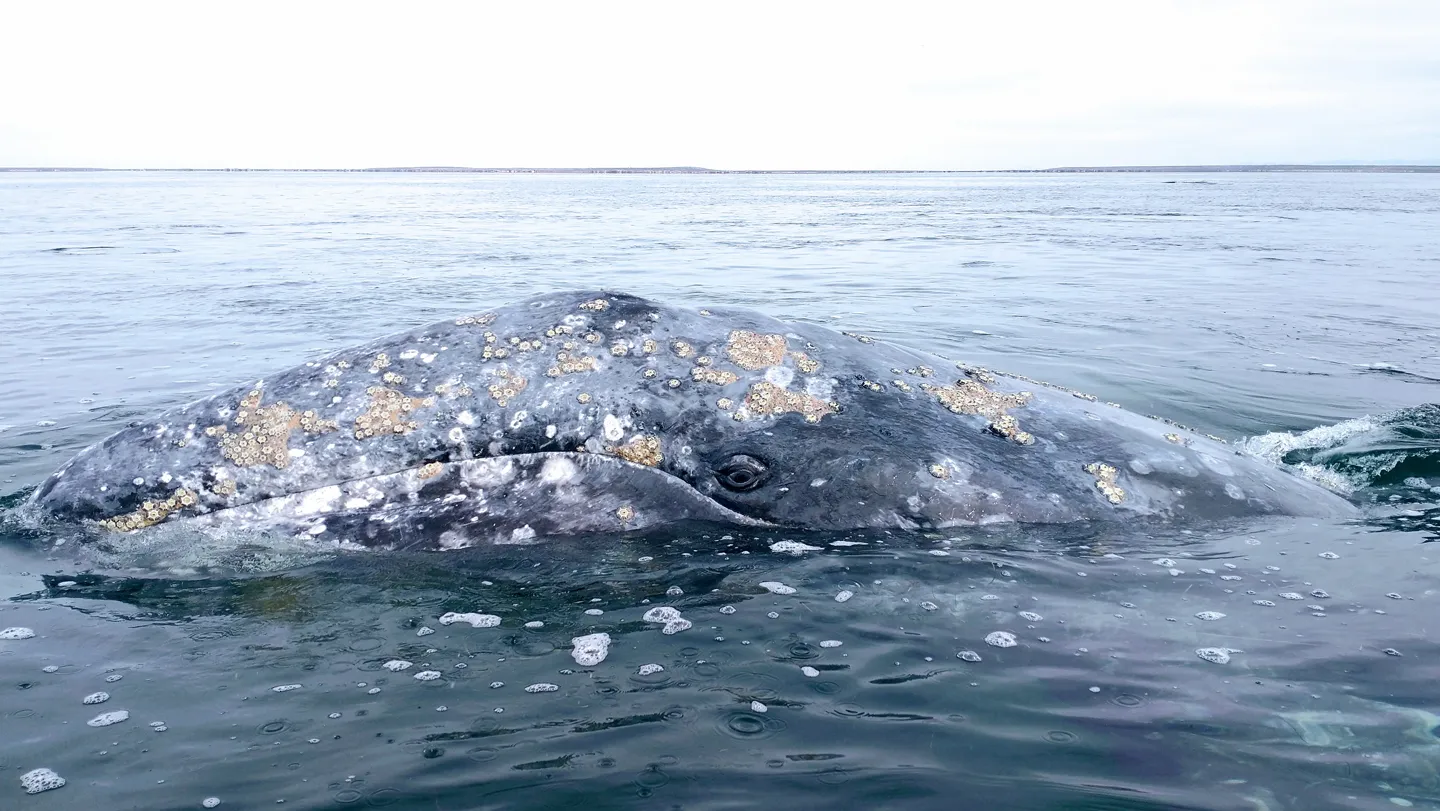
Nearly 1 in 5 Gray Whales Entering San Francisco Bay Die There, Study Finds
Researchers report that approximately 18 percent of photo-identified gray whales visiting San Francisco Bay from 2018 to 2025 died after entering the area. The deaths, often from vessel strikes, coincide with a population decline linked to reduced Arctic food availability. The fi…
 Stat
StatSpyre Therapeutics' SPY001 Drug Meets Primary Goal in Phase 2 Ulcerative Colitis Trial
Spyre Therapeutics announced positive results from the first batch of data in its Phase 2 SKYLINE study for SPY001, an experimental treatment for ulcerative colitis. The drug achieved a 9.2-point decrease in disease activity and induced remission in about 40% of participants afte…