science
13 of 16 World Cup Stadiums Earn LEED Certification, Even as Tournament Projected to Emit 9 Million Metric Tons of Carbon
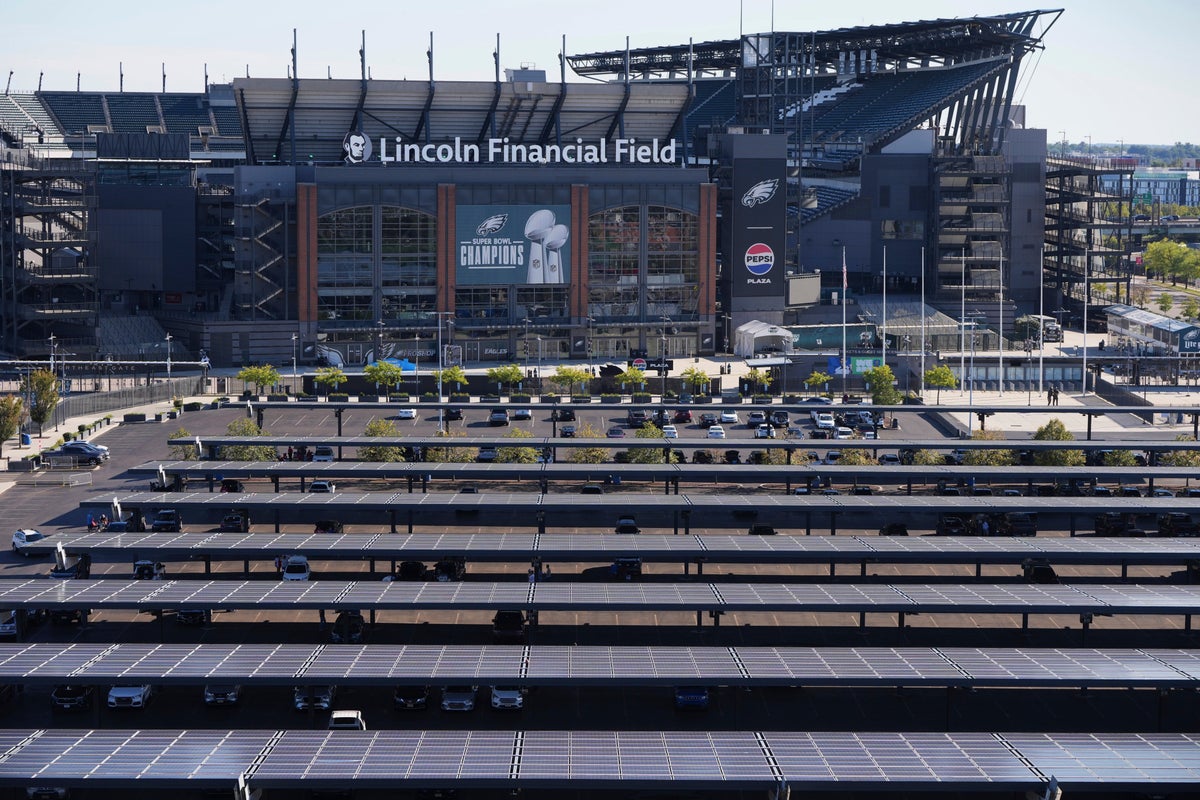
Thirteen stadiums hosting matches have met the U.S. Green Building Council's sustainability standards. The venues have installed more than 11,500 solar panels and will cut annual water use by over 100 million gallons.
 The Independent
Audio version
Tap play to generate a narrated version.
Developing·Limited corroboration so far. This page will refresh as more sources emerge.
U.S. Green Building Council. Ten of those certifications were awarded since 2024.
The council said it expects at least two of the remaining three venues to reach certification in the coming weeks. The certified stadiums have installed more than 11,500 solar panels. They will save over 100 million gallons of potable water each year and eliminate more than 5 million single-use plastics annually, according to data shared by the venues.
Four of the sites are reusing, recycling or composting nearly all waste. U.S. Certified buildings use about 25 percent less energy, cut carbon emissions by about 34 percent and use 10 percent less water than conventional structures.
There are now 51 LEED-certified professional sports venues in North America and roughly 150 certified sports venues when collegiate facilities are included. FIFA has set targets to reduce its greenhouse gas emissions by 50 percent by 2030 and reach net-zero emissions by 2040.
5 million average British cars, according to a report by Scientists for Global Responsibility, the New Weather Institute and other groups.
GEHA Field at Arrowhead Stadium in Kansas City diverted more than 90 percent of its trash from landfills in 2025 and prevented about 100,000 plastic cups from disposal through a reusable cup program. Director of stadium services Garrett Wittmaier said FIFA encouraged host venues to pursue certification and that prior sustainability work made the timeline attainable.
Estadio Azteca in Mexico City, the oldest venue at 60 years, reached the highest tier of LEED certification in October.