Cats May Refuse Long-Familiar Cat Food Brands Due to Smell Changes
Certain cats stop eating brands of cat food they have consumed for years. This refusal can occur suddenly. Altering the food's smell may resolve the issue.
 Unknown authorUnknown author / Wikimedia (Public domain)
Some cats exhibit sudden refusal to eat brands of cat food that they have previously consumed for extended periods.
The refusal often stems from changes in the food's formulation or packaging.
Potential Causes of Refusal
Solutions Involving Smell Adjustments Changing the way the food smells might solve the problem.
Broader Implications for Pet Care
Story Timeline
2 events- Ongoing
Cats refuse familiar cat food brands due to smell changes.
1 source@NewScientist - Recent observations
Pet owners report sudden avoidance of long-eaten cat food.
1 source@NewScientist
Potential Impact
- 01
Cat food manufacturers might prioritize stable scents in recipes.
- 02
Pet owners may need to switch cat food brands frequently.
- 03
Veterinary consultations could increase for feeding issues.
Transparency Panel
Related Stories
 NASA Johnson Space Center / Wikimedia (Public domain)
NASA's Artemis II Completes First Manned Moon Mission Since 1972, Sets Distance Record
NASA's Artemis II mission completed a flight around the moon and splashed down in the Pacific Ocean on Saturday. The mission marks the first manned moon mission since 1972 and set a record for the furthest humans have travelled into space at 252,756 miles (406,771km). Meanwhile,…
 Science News
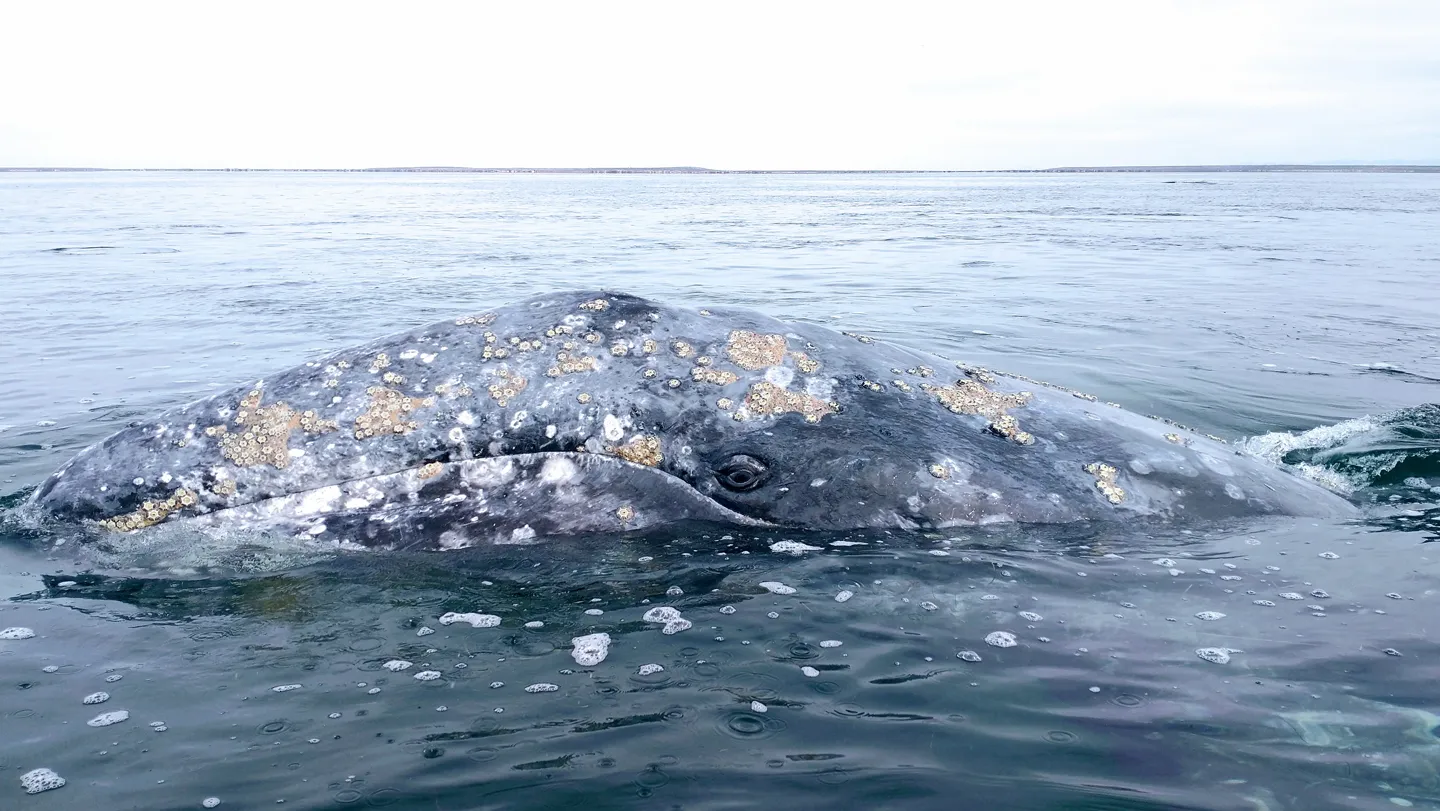
Nearly 1 in 5 Gray Whales Entering San Francisco Bay Die There, Study Finds
Researchers report that approximately 18 percent of photo-identified gray whales visiting San Francisco Bay from 2018 to 2025 died after entering the area. The deaths, often from vessel strikes, coincide with a population decline linked to reduced Arctic food availability. The fi…
 Stat
StatSpyre Therapeutics' SPY001 Drug Meets Primary Goal in Phase 2 Ulcerative Colitis Trial
Spyre Therapeutics announced positive results from the first batch of data in its Phase 2 SKYLINE study for SPY001, an experimental treatment for ulcerative colitis. The drug achieved a 9.2-point decrease in disease activity and induced remission in about 40% of participants afte…