sports
2026 World Cup Matches Air During Australian Daytime Hours
The 2026 FIFA World Cup, hosted by the United States, Mexico and Canada, has shifted most group-stage matches into Australian daytime hours. A Sydney Morning Herald opinion column argues that daytime broadcasts reduce the tournament's traditional late-night appeal for dedicated viewers.
 The Sydney Morning Herald
Audio version
Tap play to generate a narrated version.
Developing·Limited corroboration so far. This page will refresh as more sources emerge.
The 2026 FIFA World Cup, jointly hosted by the United States, Mexico and Canada, features about 69 per cent of matches between 6am and 4.30pm AEST, according to analysis cited in the column. The expanded 48-team format already drew criticism for easier qualification. Daytime scheduling now adds workplace conflicts for Australian viewers accustomed to overnight broadcasts.
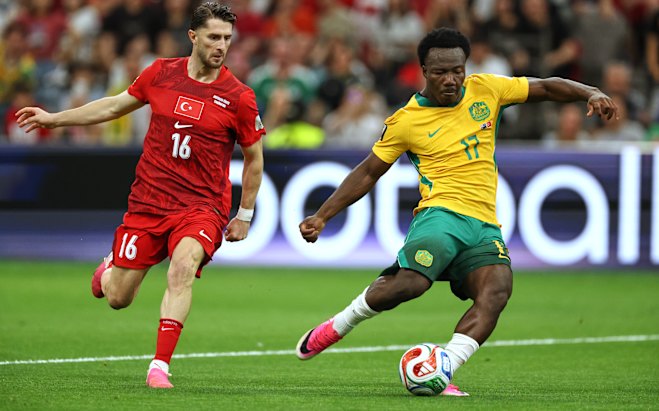
One match between the Socceroos and Turkey kicked off at 2pm on a Sunday. The column notes that a Tuesday 2pm start would have forced viewers to leave meetings. A separate South Korea versus Czechia match scheduled for Friday at noon coincided with a daycare call about a child's temperature.
The column states that normal time zones allow casual viewers who ask basic questions about teams and rules. It contrasts this with 2am or 3am matches that draw only committed fans. Local pubs have introduced promotions such as a "Hugs and Jugs" offer tied to daytime matches.
The column concludes that the 2030 tournament, hosted by Spain, Portugal and Morocco, will restore overnight viewing times for Australian audiences.