Man Intentionally Exposes Himself to Snake Bites to Develop Antivenom Treatment
Tim Friede has intentionally allowed himself to be bitten by venomous snakes multiple times. He aims to build immunity and contribute to treatments for snakebite victims. An estimated 5 million people suffer snakebites annually worldwide.
 Rynrdnr / Wikimedia (CC BY-SA 3.0)
Tim Friede has subjected himself to bites from venomous snakes on numerous occasions. These self-administered exposures are part of an effort to develop immunity to snake venom. The goal is to create a potential treatment for individuals affected by snakebites.
Each year, approximately 5 million people worldwide are bitten by snakes, according to reports. Many of these incidents occur in regions with limited access to medical care. Snakebites can lead to severe health complications or death without prompt intervention.
Friede's approach involves gradual exposure to venoms from various snake species. This process seeks to produce antibodies in his blood that could neutralize venom effects.
Background on Snakebite Challenges
Friede's method aims to offer an alternative that might reduce risks. His activities highlight the ongoing need for improved snakebite therapies.
Potential Implications for Treatment Development
Access to effective treatments varies globally, affecting rural and agricultural communities most severely. Friede's work underscores efforts to address this public health issue. Ongoing monitoring of such experimental approaches is essential.
Collaboration with medical professionals could validate and refine these techniques. Future developments may improve outcomes for the millions impacted by snake envenomations each year.
Story Timeline
3 events- Ongoing
Tim Friede continues intentional exposures to snake bites to build immunity.
1 source@NewScientist - Recent years
Friede has survived multiple bites from venomous snakes including black mambas.
1 source@NewScientist - Annually
5 million people worldwide are bitten by snakes, many without treatment access.
1 source@NewScientist
Potential Impact
- 01
Improved therapies might lower mortality rates in affected regions.
- 02
Potential human-derived antivenoms could reduce allergic reactions in patients.
- 03
Self-experimentation risks could lead to stricter safety guidelines for volunteers.
- 04
Increased awareness may prompt more research funding for snakebite treatments.
Transparency Panel
Related Stories
 NASA Johnson Space Center / Wikimedia (Public domain)
NASA's Artemis II Completes First Manned Moon Mission Since 1972, Sets Distance Record
NASA's Artemis II mission completed a flight around the moon and splashed down in the Pacific Ocean on Saturday. The mission marks the first manned moon mission since 1972 and set a record for the furthest humans have travelled into space at 252,756 miles (406,771km). Meanwhile,…
 Science News
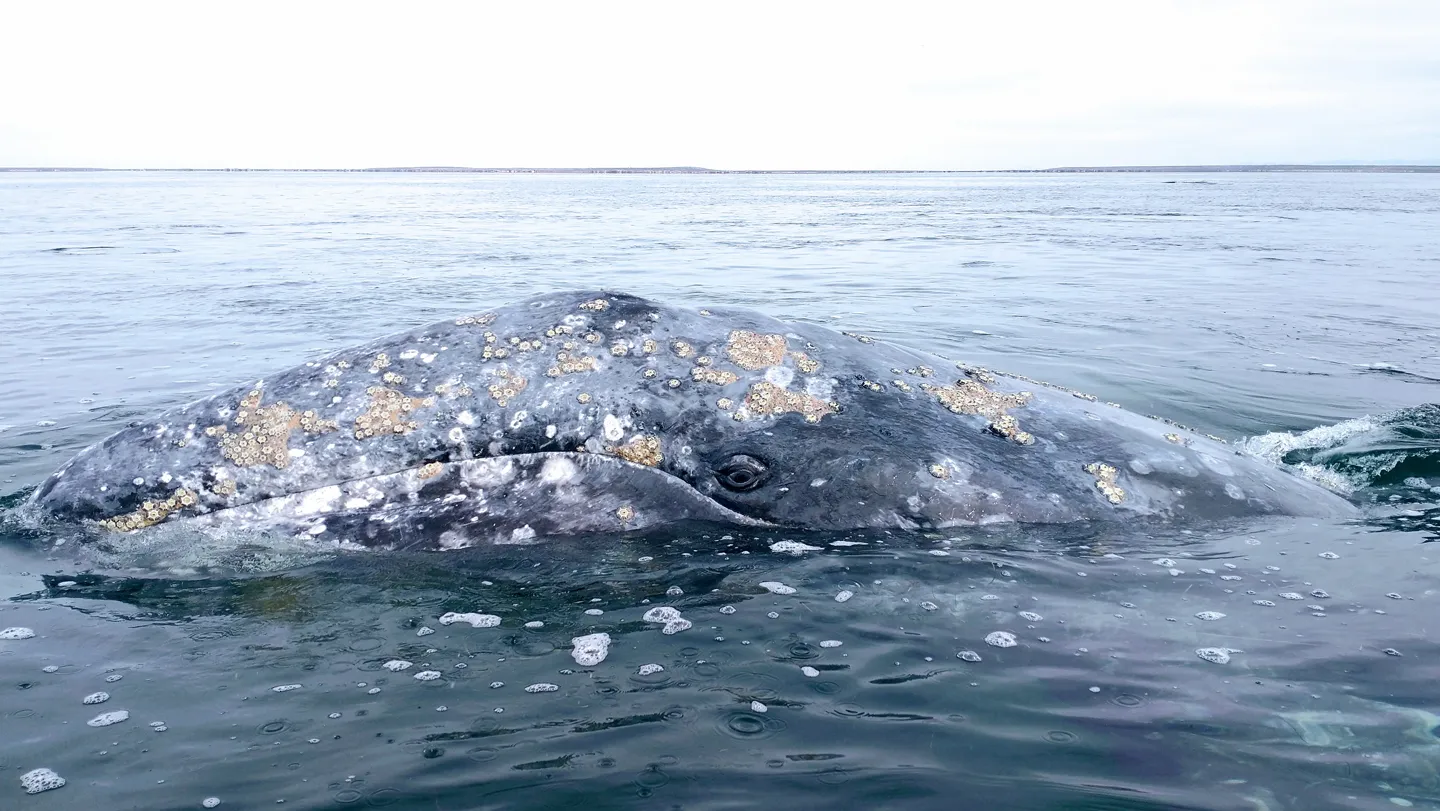
Nearly 1 in 5 Gray Whales Entering San Francisco Bay Die There, Study Finds
Researchers report that approximately 18 percent of photo-identified gray whales visiting San Francisco Bay from 2018 to 2025 died after entering the area. The deaths, often from vessel strikes, coincide with a population decline linked to reduced Arctic food availability. The fi…
 Stat
StatSpyre Therapeutics' SPY001 Drug Meets Primary Goal in Phase 2 Ulcerative Colitis Trial
Spyre Therapeutics announced positive results from the first batch of data in its Phase 2 SKYLINE study for SPY001, an experimental treatment for ulcerative colitis. The drug achieved a 9.2-point decrease in disease activity and induced remission in about 40% of participants afte…