Rural Municipalities of Alberta Advocate for Regulated Grizzly Bear Hunt in Province
The Rural Municipalities of Alberta passed a resolution last month calling for a regulated grizzly bear hunt through a draw system. The group seeks to end the Grizzly Bear Recovery Plan in place since 2008 and implement a new management plan. The proposal follows increased human-bear interactions in southwestern Alberta.
 Gregory "Slobirdr" Smith / Wikimedia (CC BY-SA 2.0)
Rural Municipalities Push for Grizzly Hunt Policy The Rural Municipalities of Alberta passed a policy resolution last month calling to advocate to the provincial government to implement a regulated grizzly bear hunt administered through a draw system.
The majority of the Rural Municipalities of Alberta's membership, made up of more than 60 rural Alberta counties and municipal districts, voted in support of the resolution. The RMA policy resolution points to data from a 2016 study suggesting a high population density of grizzly bears in southwestern Alberta.
The RMA is calling for the province to end the Grizzly Bear Recovery Plan, which has been in place since 2008, and implement a Grizzly Bear Management Plan.
The recovery plan includes protecting and restoring grizzly habitat in mapped-out bear management areas, working to minimize the risk of human-wildlife conflict and human-caused grizzly bear mortality, and raising awareness on bear coexistence through BearSmart programs across Alberta.
No provincial grizzly population studies have been done since 2018. In 2024, the Rural Municipalities of Alberta called for the province to increase funding for management of grizzly bears, particularly problem bears.
That lobbying by the Rural Municipalities of Alberta in 2024 was unsuccessful. The provincial government announced in 2024 it would spend $700,000 over five years to keep large carnivores away from rural properties in southwestern Alberta.
Increased Bear Encounters Prompt Calls for Action Cardston County called a significant increase in human-bear interactions in southwestern Alberta.
S. border, last summer. Last year, a high number of bear encounters in provincial parks led Alberta Parks to issue a blanket bear warning for the entirety of Kananaskis Country, the first time such an advisory was issued since 2016.
The Alberta Wildlife Federation said in a statement it would support limited harvest of grizzly bears if justified as part of a management plan. The Alberta Wildlife Federation stated that the regulated hunt would need to be based on sound science that reflects the need to sustain the grizzly bear population while balancing the societal needs for human safety and protection of property.
CBC reported the Alberta Wildlife Federation's position.
The province allows approved hunters to kill problem grizzlies on a case-by-case basis through the Wildlife Management Responder Network introduced in 2024. Grizzly bear hunting has been banned in Alberta since 2006, with the exception of harvesting by Indigenous hunters for subsistence or cultural purposes.
The Alberta government designated grizzly bears a threatened species in 2010, meaning there were believed to be fewer than 1,000 mature adults in the province.
Government and Conservation Responses The Ministry of Forestry and Parks said in a statement that its management approach is guided by science and expert advice, with a focus on maintaining public safety, reducing conflicts, and maintaining sustainable grizzly bear populations.
The province said in a 2024 release that Alberta’s grizzly bear population had increased from approximately 800 to more than 1,150 now. Adults make up roughly half of the grizzly population. Alberta Wilderness Association conservation specialist Ruiping Luo told CBC News that there is not enough transparency and enough evidence to start a grizzly hunt.
Ruiping Luo said all population estimates are from eight years ago or older. There hasn't been a provincial study on grizzly numbers since 2018. In a November 2025 email obtained by CBC News through an access to information request, provincial carnivore specialist Paul Frame told a colleague that the Alberta government had the opportunity to conduct a grizzly bear population study recently but the province was unwilling to spend any money on it.
Exposed Wildlife Conservancy executive director Maggie Spizzirri said in a statement that hunting grizzly bears would not address the root causes of conflict. CBC reported the statements from Luo and Spizzirri.
Story Timeline
6 events- 2026-03
Rural Municipalities of Alberta passes policy resolution for regulated grizzly bear hunt
1 sourceunattributed - 2025-11
Provincial carnivore specialist Paul Frame emails about missed opportunity for grizzly population study
1 sourceCBC News via access to information - 2025
High number of bear encounters leads to blanket bear warning in Kananaskis Country
1 sourceunattributed - 2024
Rural Municipalities of Alberta lobbies unsuccessfully for increased grizzly bear funding; province announces $700,000 spending and introduces Wildlife Management Responder Network
1 sourceunattributed - Summer 2024
Fisherman injured by grizzly near Cardston
1 sourceunattributed - 2018
Last provincial grizzly population study conducted
1 sourceunattributed
Potential Impact
- 01
Continued lack of population studies may delay management plan changes
- 02
Increased funding for carnivore deterrence could lower property damage in southwestern Alberta
- 03
Conservation groups may intensify opposition, affecting public awareness programs
- 04
Potential implementation of grizzly hunt could reduce human-bear conflicts in rural areas
- 05
End of 2008 recovery plan might shift focus from habitat protection to harvest
Transparency Panel
Related Stories
 NASA Johnson Space Center / Wikimedia (Public domain)
NASA's Artemis II Completes First Manned Moon Mission Since 1972, Sets Distance Record
NASA's Artemis II mission completed a flight around the moon and splashed down in the Pacific Ocean on Saturday. The mission marks the first manned moon mission since 1972 and set a record for the furthest humans have travelled into space at 252,756 miles (406,771km). Meanwhile,…
 Science News
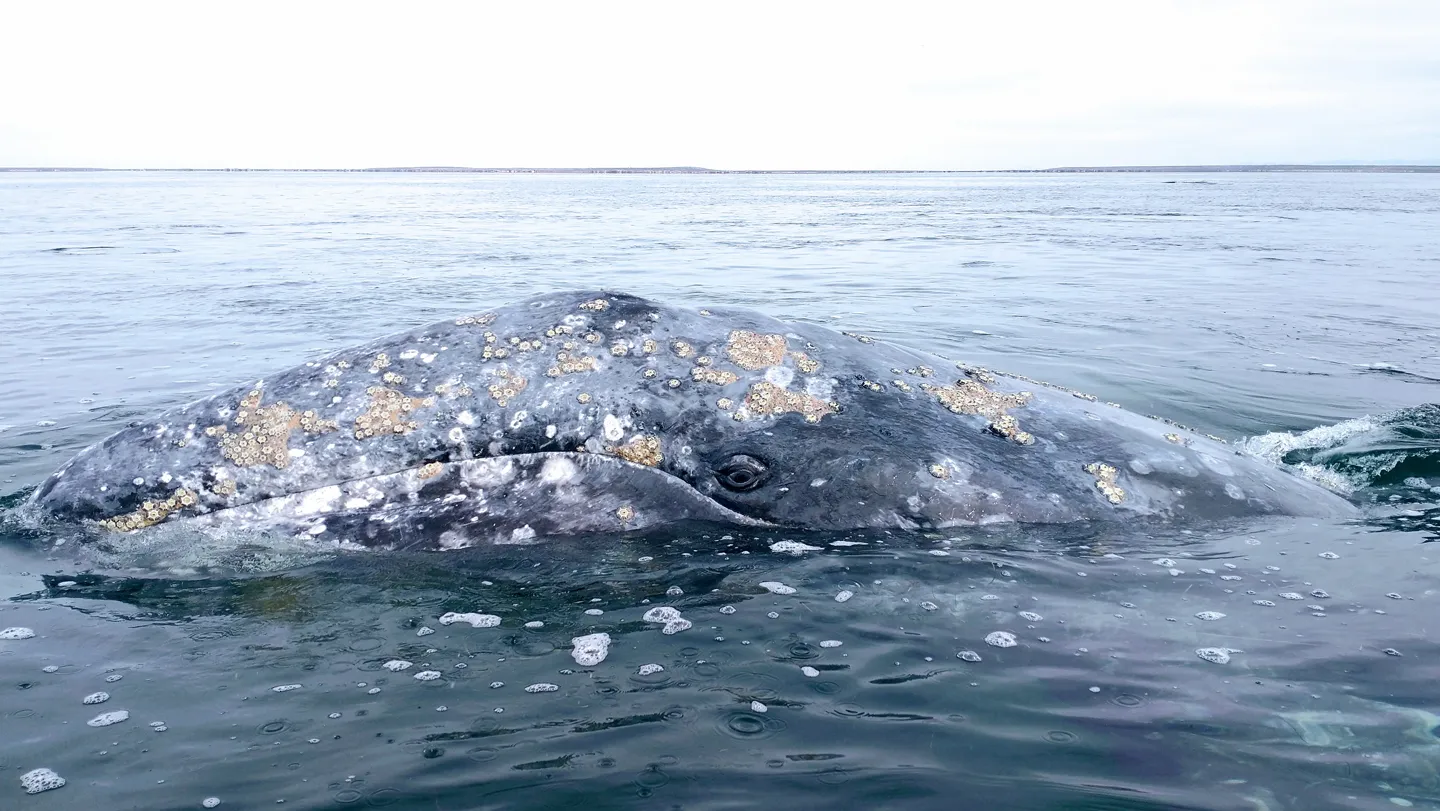
Nearly 1 in 5 Gray Whales Entering San Francisco Bay Die There, Study Finds
Researchers report that approximately 18 percent of photo-identified gray whales visiting San Francisco Bay from 2018 to 2025 died after entering the area. The deaths, often from vessel strikes, coincide with a population decline linked to reduced Arctic food availability. The fi…
 Stat
StatSpyre Therapeutics' SPY001 Drug Meets Primary Goal in Phase 2 Ulcerative Colitis Trial
Spyre Therapeutics announced positive results from the first batch of data in its Phase 2 SKYLINE study for SPY001, an experimental treatment for ulcerative colitis. The drug achieved a 9.2-point decrease in disease activity and induced remission in about 40% of participants afte…