Brazil Federal Police Arrest Researcher for Taking Virus Samples from Biosafety Lab
Brazil's federal police arrested a researcher late last month for allegedly taking samples of viruses from a high-security biosafety laboratory. The incident occurred in a controlled environment designed to handle hazardous materials. Authorities have not released further details on the case.
 Controladoria-geral da União do Brasik / Wikimedia (CC BY-SA 3.0)
Arrest of Researcher Brazil’s federal police arrested a researcher late last month.
The arrest took place as part of an investigation into the handling of sensitive materials. @Nature reported on the development. The researcher was arrested for allegedly taking samples of viruses. This action violated protocols in place for such materials.
Federal police conducted the operation based on evidence of unauthorized removal.
Details of the Alleged Incident The samples were taken from a high-security biosafety laboratory.
This facility maintains strict controls to prevent the spread of dangerous pathogens. The laboratory's security measures include restricted access and monitoring systems. Authorities discovered the breach during routine checks or an investigation, though specifics remain limited.
The viruses involved were stored under level 4 biosafety conditions, indicating high risk. @Nature reported these details from official channels.
Context of Biosafety Protocols High-security biosafety laboratories in Brazil adhere to international standards for handling viruses.
These labs are equipped to contain pathogens that could pose public health threats. The arrest is part of broader efforts to enforce biosafety regulations in high-security labs. The involvement of federal police indicates the case's potential significance, pending further details from the ongoing investigation.
The alleged actions may have involved unauthorized removal of samples, though the full impact on lab protocols remains under investigation. No additional events or outcomes have been disclosed as of the current date, 2026-04-13.
Implications for Research Security The incident occurs amid ongoing global concerns over biosecurity.
Brazil’s federal police have prioritized such cases to maintain laboratory standards. @Nature noted the arrest without attributing further motives.
Story Timeline
1 event- Late March 2026
Brazil’s federal police arrested a researcher for allegedly taking samples of viruses from a high-security biosafety laboratory.
1 source@Nature
Potential Impact
- 01
Increased scrutiny on researcher activities in high-security facilities
- 02
Potential tightening of biosafety protocols in Brazilian labs
- 03
Possible delays in virus-related research projects
Transparency Panel
Related Stories
 NASA Johnson Space Center / Wikimedia (Public domain)
NASA's Artemis II Completes First Manned Moon Mission Since 1972, Sets Distance Record
NASA's Artemis II mission completed a flight around the moon and splashed down in the Pacific Ocean on Saturday. The mission marks the first manned moon mission since 1972 and set a record for the furthest humans have travelled into space at 252,756 miles (406,771km). Meanwhile,…
 Science News
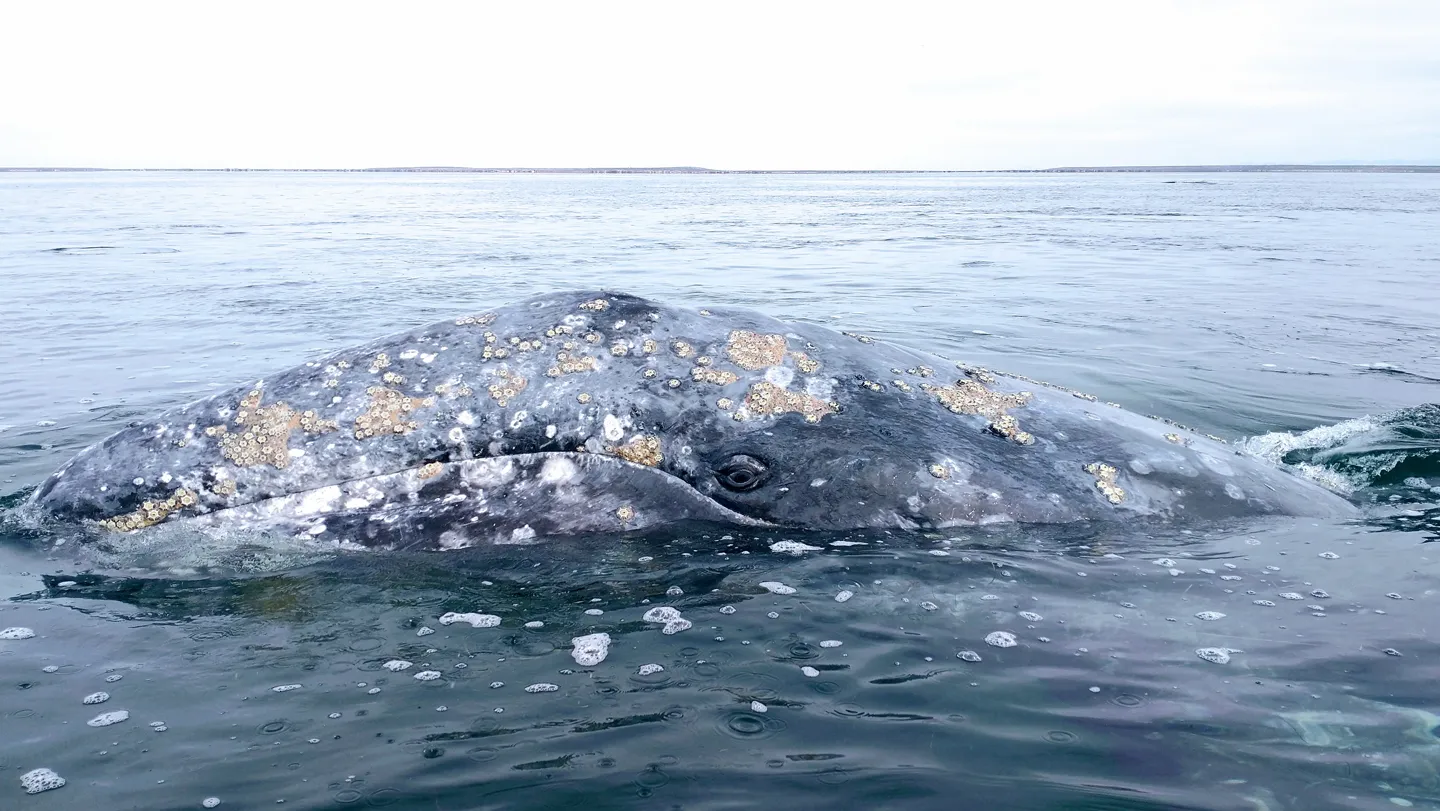
Nearly 1 in 5 Gray Whales Entering San Francisco Bay Die There, Study Finds
Researchers report that approximately 18 percent of photo-identified gray whales visiting San Francisco Bay from 2018 to 2025 died after entering the area. The deaths, often from vessel strikes, coincide with a population decline linked to reduced Arctic food availability. The fi…
 Stat
StatSpyre Therapeutics' SPY001 Drug Meets Primary Goal in Phase 2 Ulcerative Colitis Trial
Spyre Therapeutics announced positive results from the first batch of data in its Phase 2 SKYLINE study for SPY001, an experimental treatment for ulcerative colitis. The drug achieved a 9.2-point decrease in disease activity and induced remission in about 40% of participants afte…