Single DNA Letter Change in Female Mouse Embryos Leads to Male Reproductive Organ Development
Researchers have identified a single nucleotide change in the DNA of female mouse embryos that results in the development of male reproductive organs. The study, published in Nature, examined the role of the gene encoding the transcription factor Dmrt1. This finding provides insights into the genetic mechanisms regulating sex determination in mammals.
 Heather J. Lee, Timothy A. Hore, Wolf Reik / Wikimedia (CC BY 3.0)
Female mouse embryos with a single letter change in their DNA developed male reproductive organs, according to a study reported by Nature.
Study Methodology and Findings
Implications for Mammalian Biology
Future research may explore similar mechanisms in non-rodent species to broaden understanding of evolutionary conservation.
Story Timeline
3 events- April 12, 2026
Nature publishes study on single DNA mutation causing female mouse embryos to develop male organs.
1 source@Nature - Embryonic day 12.5
Mutated female mouse embryos show male-like gonadal structures in experiments.
1 source@Nature - Prior to publication
Researchers generate Dmrt1 mutation in female mouse embryos using gene-editing.
1 source@Nature
Potential Impact
- 01
Advances research on genetic causes of sex development disorders in mammals.
- 02
Informs studies on Dmrt1's role across species, including humans.
- 03
Supports development of mouse models for reproductive biology experiments.
- 04
Highlights precision of gene regulation in embryonic differentiation.
Transparency Panel
Related Stories
 NASA Johnson Space Center / Wikimedia (Public domain)
NASA's Artemis II Completes First Manned Moon Mission Since 1972, Sets Distance Record
NASA's Artemis II mission completed a flight around the moon and splashed down in the Pacific Ocean on Saturday. The mission marks the first manned moon mission since 1972 and set a record for the furthest humans have travelled into space at 252,756 miles (406,771km). Meanwhile,…
 Science News
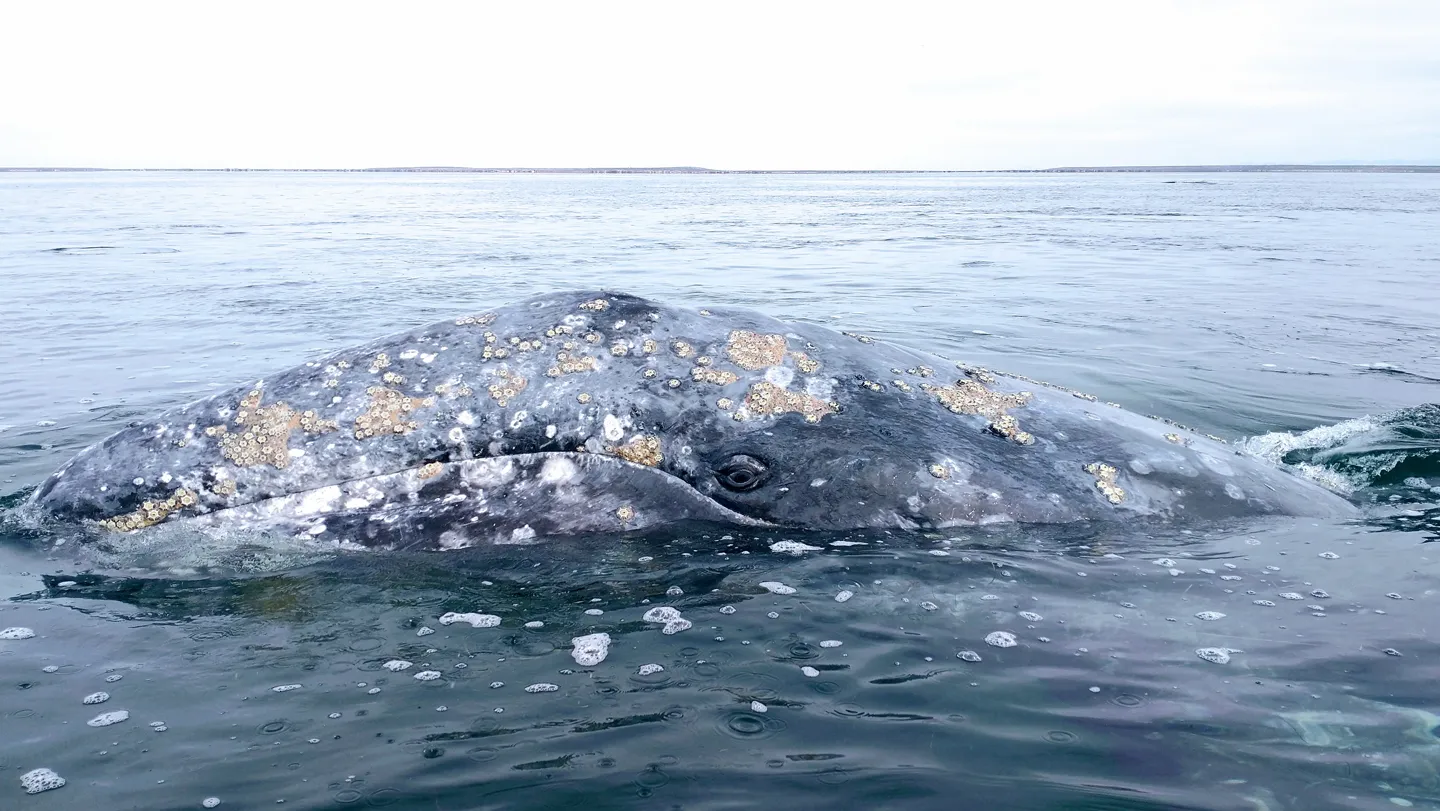
Nearly 1 in 5 Gray Whales Entering San Francisco Bay Die There, Study Finds
Researchers report that approximately 18 percent of photo-identified gray whales visiting San Francisco Bay from 2018 to 2025 died after entering the area. The deaths, often from vessel strikes, coincide with a population decline linked to reduced Arctic food availability. The fi…
 Stat
StatSpyre Therapeutics' SPY001 Drug Meets Primary Goal in Phase 2 Ulcerative Colitis Trial
Spyre Therapeutics announced positive results from the first batch of data in its Phase 2 SKYLINE study for SPY001, an experimental treatment for ulcerative colitis. The drug achieved a 9.2-point decrease in disease activity and induced remission in about 40% of participants afte…