Artemis II Mission Draws Interest from Young People in Space Science
The Artemis II mission has generated attention among younger generations unfamiliar with the Apollo moon program. Most of the world's population was born after the Apollo era. The mission represents a new effort to return humans to the moon.
 NASA / Wikimedia (Public domain)
Most of the world's population was not alive during the days of the Apollo moon program. Young people encounter space exploration through modern media and education. Artemis II provides an opportunity for this demographic to engage with space achievements in real time.
Background on Space Exploration Efforts The transition from Apollo to Artemis reflects advancements in technology and international collaboration.
Participation from younger generations could influence future workforce development in science, technology, engineering, and mathematics fields.
Overall, Artemis II serves as a milestone in renewing global interest in lunar exploration.
Story Timeline
3 events- 2026
Artemis II mission generates interest among young people in space science.
1 sourceNpr - Post-1972
Most of the world's population was born after the Apollo moon program ended.
1 sourceNpr - 1969-1972
Apollo program conducted crewed moon landings.
1 sourceNpr
Potential Impact
- 01
Advancement of lunar exploration technology through program milestones.
- 02
Potential for educational programs tied to mission outreach.
- 03
Increased participation in STEM fields among youth due to mission visibility.
- 04
Broader public awareness of space agency activities worldwide.
Transparency Panel
Related Stories
 NASA Johnson Space Center / Wikimedia (Public domain)
NASA's Artemis II Completes First Manned Moon Mission Since 1972, Sets Distance Record
NASA's Artemis II mission completed a flight around the moon and splashed down in the Pacific Ocean on Saturday. The mission marks the first manned moon mission since 1972 and set a record for the furthest humans have travelled into space at 252,756 miles (406,771km). Meanwhile,…
 Science News
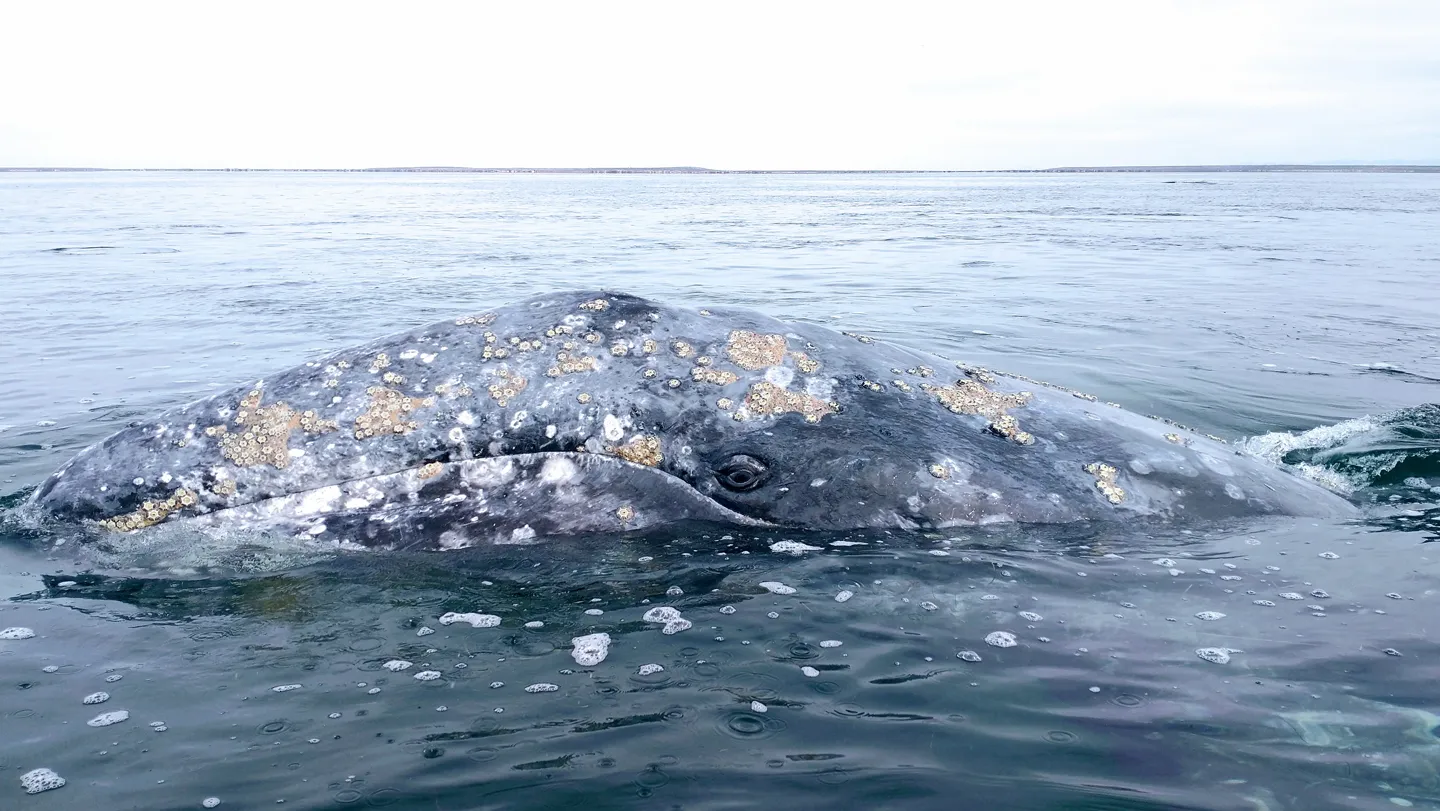
Nearly 1 in 5 Gray Whales Entering San Francisco Bay Die There, Study Finds
Researchers report that approximately 18 percent of photo-identified gray whales visiting San Francisco Bay from 2018 to 2025 died after entering the area. The deaths, often from vessel strikes, coincide with a population decline linked to reduced Arctic food availability. The fi…
 Stat
StatSpyre Therapeutics' SPY001 Drug Meets Primary Goal in Phase 2 Ulcerative Colitis Trial
Spyre Therapeutics announced positive results from the first batch of data in its Phase 2 SKYLINE study for SPY001, an experimental treatment for ulcerative colitis. The drug achieved a 9.2-point decrease in disease activity and induced remission in about 40% of participants afte…