Lingering Snow Reduces Spring Wildfire Risk in Newfoundland and Labrador but Summer Remains Uncertain
Snow cover in Newfoundland and Labrador is expected to lower the risk of spring wildfires by maintaining soil moisture. Scientists state that predicting the summer wildfire season is difficult due to weather variability. Climate trends indicate warmer and drier conditions that could increase fire risks later in the year.
 Gordon Leggett / Wikimedia (CC BY-SA 4.0)
Newfoundland and Labrador currently has lingering snow cover, which scientists say will help reduce the threat of spring wildfires. This moisture from the snow is anticipated to prevent grass fires, which are common in the spring. However, experts note that it is too early to determine the severity of the upcoming summer wildfire season.
Lucas Brehaut, a wildfire resilience research scientist with the federal government's Atlantic Forestry Centre, identified three main factors for wildfires: an ignition event, warm and dry weather, and available vegetation fuel. He reported that over the last 20 to 30 years, fires in the region have occurred more frequently and with greater severity.
Brehaut stated that most fires in Atlantic Canada are caused by humans rather than natural sources like lightning.
The snow cover is expected to dissipate slowly into the soil, providing moisture that buffers against early-season fires. Brehaut explained that weather conditions vary significantly year to year, making summer predictions challenging. He added that overall trends point to warmer and drier summers in Newfoundland and Labrador, potentially increasing fire risks into the fall.
Recent Wildfire History Last year, the province recorded a high number of wildfires, including one in Kingston, Conception Bay North that burned 10,095 hectares.
That fire led to the evacuation of hundreds of residents and the destruction of 200 structures. Parts of the province also faced drought conditions during that summer.
Climate and Forecast Influences Anthony Taylor, a forest ecologist at the University of New Brunswick, stated that weather is the primary driver of wildfire season outcomes.
Environment Canada forecasts warmer-than-average temperatures for the province this spring and summer, with normal precipitation levels. Taylor noted that this combination could result in drier conditions if precipitation does not match the temperature rise. Taylor said the snowpack may prevent spring fires but could still allow high summer fire risks.
He reported that the province has warmed by about 2 degrees Celsius in mean annual temperature since the early 20th century, with Labrador warming by over 1 degree Celsius since the 1960s. Taylor attributed these changes to global climate warming, which contributes to weather conditions favorable for fires.
While some climate models predict warmer and wetter conditions overall, Taylor explained that increased precipitation may occur outside the summer months, such as in spring or winter.
This could limit moisture availability during peak fire seasons. Ongoing monitoring by scientists will provide updates as the season progresses.
Story Timeline
4 events- 2026 Spring
Lingering snow reduces spring wildfire risk in Newfoundland and Labrador.
1 sourceCbc - 2025 Summer
Historic wildfires burned 10,095 hectares in Kingston, evacuating hundreds and destroying 200 structures.
1 sourceCbc - Last 20-30 years
Fires in the region have become more frequent and severe.
1 sourceCbc - Since early 20th century
Newfoundland and Labrador warmed by about 2 degrees Celsius in mean annual temperature.
1 sourceCbc
Potential Impact
- 01
Potential summer drought may increase wildfire evacuations in affected communities.
- 02
Reduced spring fire incidents due to snow moisture could lower early-season emergency responses.
- 03
Warmer trends could raise annual firefighting costs for the province.
- 04
Human-caused fires may prompt enhanced public awareness campaigns.
Transparency Panel
Related Stories
 NASA Johnson Space Center / Wikimedia (Public domain)
NASA's Artemis II Completes First Manned Moon Mission Since 1972, Sets Distance Record
NASA's Artemis II mission completed a flight around the moon and splashed down in the Pacific Ocean on Saturday. The mission marks the first manned moon mission since 1972 and set a record for the furthest humans have travelled into space at 252,756 miles (406,771km). Meanwhile,…
 Science News
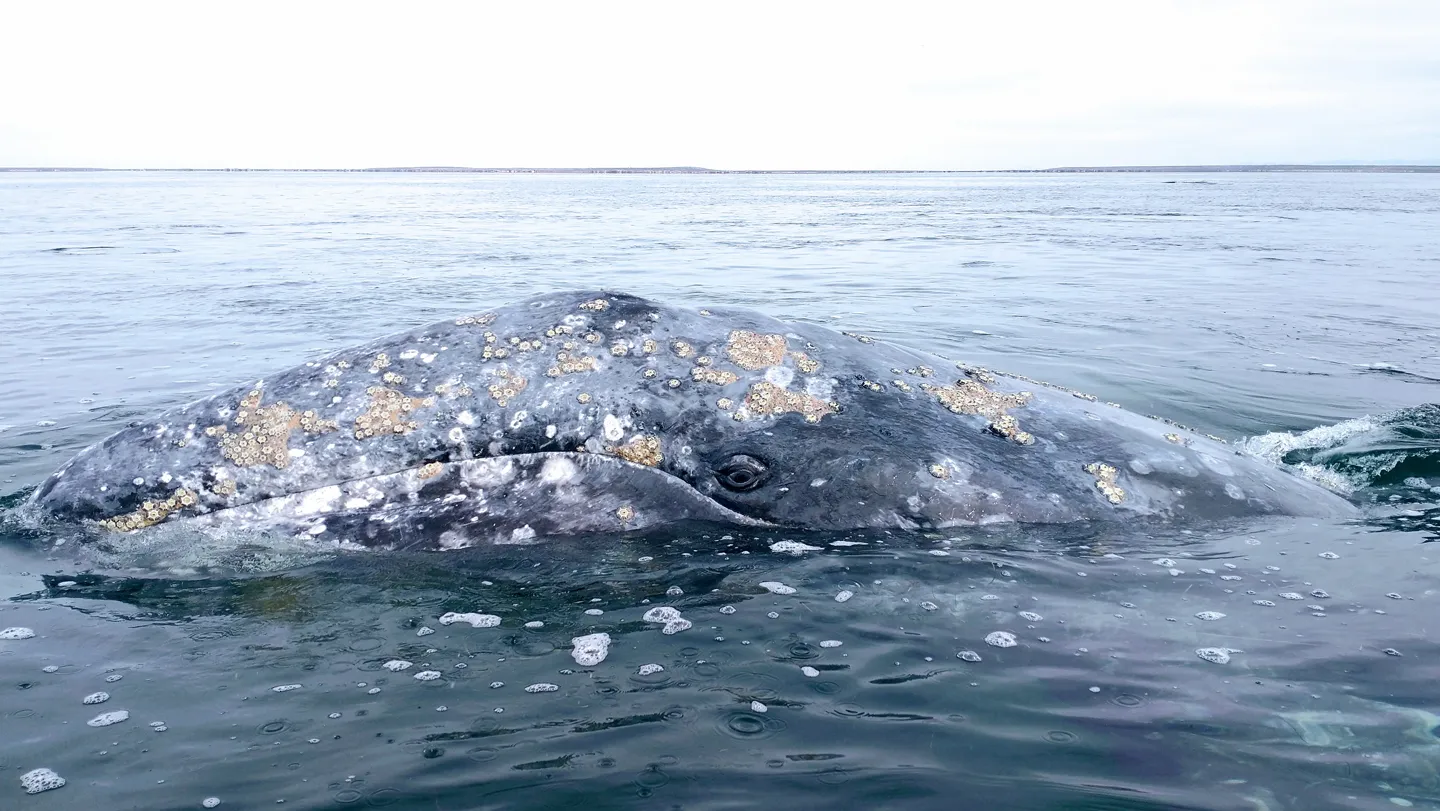
Nearly 1 in 5 Gray Whales Entering San Francisco Bay Die There, Study Finds
Researchers report that approximately 18 percent of photo-identified gray whales visiting San Francisco Bay from 2018 to 2025 died after entering the area. The deaths, often from vessel strikes, coincide with a population decline linked to reduced Arctic food availability. The fi…
 Stat
StatSpyre Therapeutics' SPY001 Drug Meets Primary Goal in Phase 2 Ulcerative Colitis Trial
Spyre Therapeutics announced positive results from the first batch of data in its Phase 2 SKYLINE study for SPY001, an experimental treatment for ulcerative colitis. The drug achieved a 9.2-point decrease in disease activity and induced remission in about 40% of participants afte…