Manitoba Increases Possession Limit for Largemouth Bass in Most Fishing Areas
Manitoba has raised the possession limit for largemouth bass from zero to four in most fishing locations due to illegal introductions of the non-native species. Restrictions apply to certain bodies of water, including size limits and specific possession rules. The change aims to address the species' spread while allowing recreational fishing.
 Totti / Wikimedia (CC BY-SA 4.0)
Manitoba has updated its fishing regulations to allow anglers to keep up to four largemouth bass in most fishing spots. The previous possession limit was zero. This change follows reports of illegal introductions of the species into some Manitoba lakes.
Largemouth bass are not native to Manitoba. The species was introduced to certain areas due to interest from recreational anglers, according to a provincial spokesperson. The 2026 angling guide specifies that kept bass must measure no larger than 45 centimetres in most places.
Reasons for the Regulatory Change The province attributes the rapid growth of largemouth bass populations to climate change and illegal stocking, where individuals move fish between water bodies without authorization.
The spokesperson stated that largemouth bass pose risks to native species in affected fisheries. The updated limit seeks to balance recreational opportunities with management of the invasive species. Certain locations have distinct rules.
Anglers cannot keep any largemouth bass from Mary Jane Reservoir in south-central Manitoba, where the province intentionally stocked the species for sport fishing. At Reynolds Ponds, located 65 kilometres east of Winnipeg in the rural municipality of Reynolds, the possession limit is two bass under 40 centimetres.
Specific Restrictions and Local Impacts No possession limit or size restriction applies to largemouth bass caught in Hunt Lake within Whiteshell Provincial Park, following a recent illegal introduction there.
The spokesperson noted that the species could threaten the lake's trout fishery and spread to connected areas in southeastern Manitoba. Dave Abbott, a fishing guide with Shield Outfitters based in Whiteshell Provincial Park, described the changes as reasonable. He said the limits at Reynolds Ponds could provide fishing access for people without boats and offer family opportunities.
Abbott attributed possible illegal introductions at Hunt Lake to anglers from northwestern Ontario, where largemouth bass occur naturally. He noted that the fish compete with native species for food and prey on others, such as pike. As a guide, Abbott targets various species in the park but indicated that largemouth bass are not abundant enough for guaranteed catches.
Don Lamont, editor of Hooked Magazine based in Winnipeg, called the limit increase a proactive step by biologists to monitor fishery dynamics. He referenced instances of unauthorized species introductions into lakes.
Story Timeline
3 events- 2026
Manitoba updates angling guide to allow possession of up to four largemouth bass in most areas.
1 sourceCbc - Recent
Illegal introduction of largemouth bass occurs in Hunt Lake, Whiteshell Provincial Park.
1 sourceCbc - Prior to 2026
Largemouth bass possession limit set at zero in Manitoba due to non-native status.
1 sourceCbc
Potential Impact
- 01
Potential competition with native species rises in areas with illegal introductions like Hunt Lake.
- 02
Increased recreational fishing opportunities emerge at sites like Reynolds Ponds for non-boat users.
- 03
Provincial monitoring of fishery dynamics may intensify to track invasive spread.
- 04
Family fishing access improves in restricted ponds with new possession allowances.
Transparency Panel
Related Stories
 NASA Johnson Space Center / Wikimedia (Public domain)
NASA's Artemis II Completes First Manned Moon Mission Since 1972, Sets Distance Record
NASA's Artemis II mission completed a flight around the moon and splashed down in the Pacific Ocean on Saturday. The mission marks the first manned moon mission since 1972 and set a record for the furthest humans have travelled into space at 252,756 miles (406,771km). Meanwhile,…
 Science News
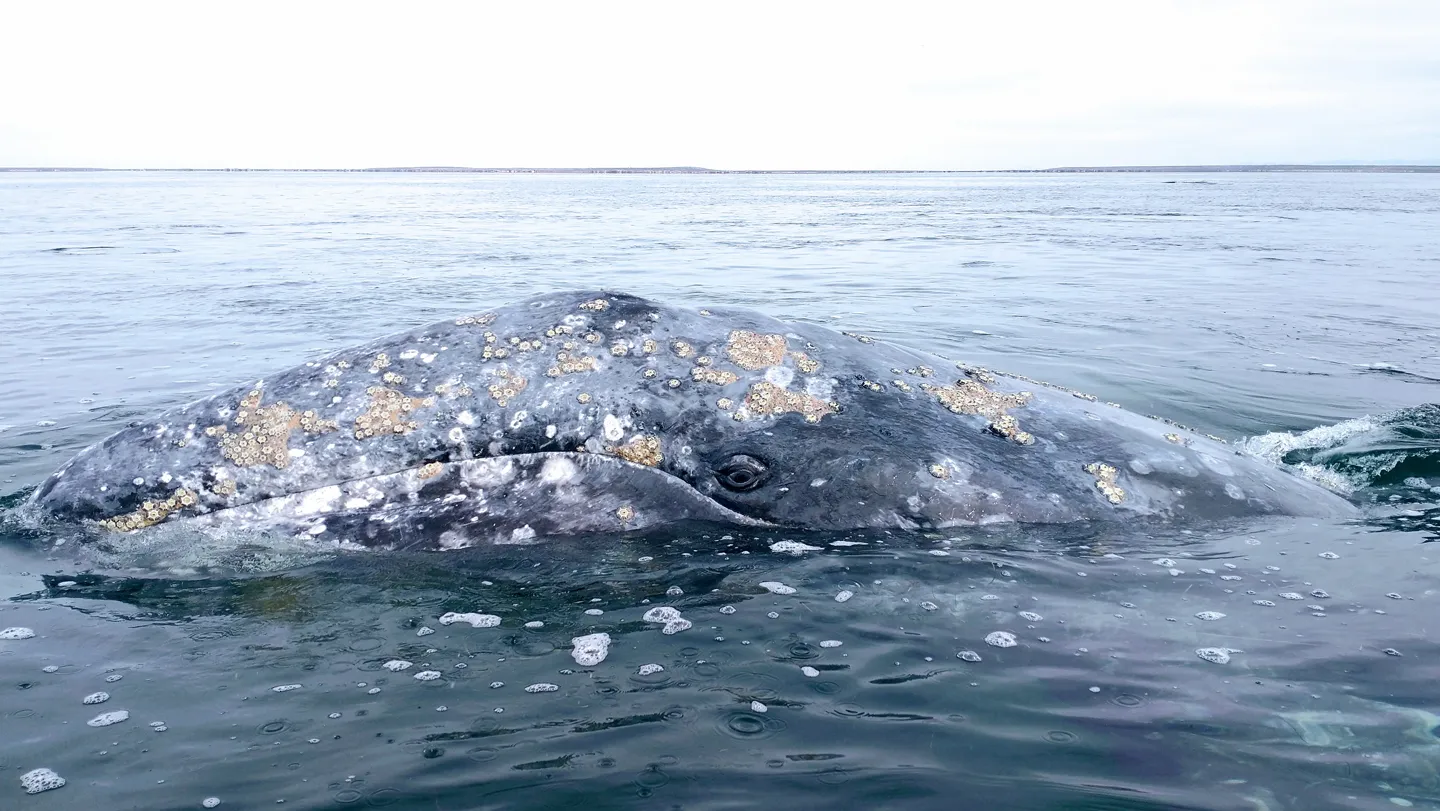
Nearly 1 in 5 Gray Whales Entering San Francisco Bay Die There, Study Finds
Researchers report that approximately 18 percent of photo-identified gray whales visiting San Francisco Bay from 2018 to 2025 died after entering the area. The deaths, often from vessel strikes, coincide with a population decline linked to reduced Arctic food availability. The fi…
 Stat
StatSpyre Therapeutics' SPY001 Drug Meets Primary Goal in Phase 2 Ulcerative Colitis Trial
Spyre Therapeutics announced positive results from the first batch of data in its Phase 2 SKYLINE study for SPY001, an experimental treatment for ulcerative colitis. The drug achieved a 9.2-point decrease in disease activity and induced remission in about 40% of participants afte…